
Finland already takes many steps to reduce their carbon footprint as of today. Coal is on its way out, the country plans to ban the use of coal for energy by 2029. Renewable energy is incredibly popular with wind power use growing four times the amount in the last decade. Cities are relacing fossil fuel-based heating systems to waste heat recovery, geothermal sources, and bioenergy alternatives. Transports are becoming electric, the Finnish government offers subsidies for purchasing electric vehicles and most public transports, which already help by reducing the need for as many individual cars, are electrically powered. Industries like steel and paper mills invest in hydrogen and bio-based fuel replacements.

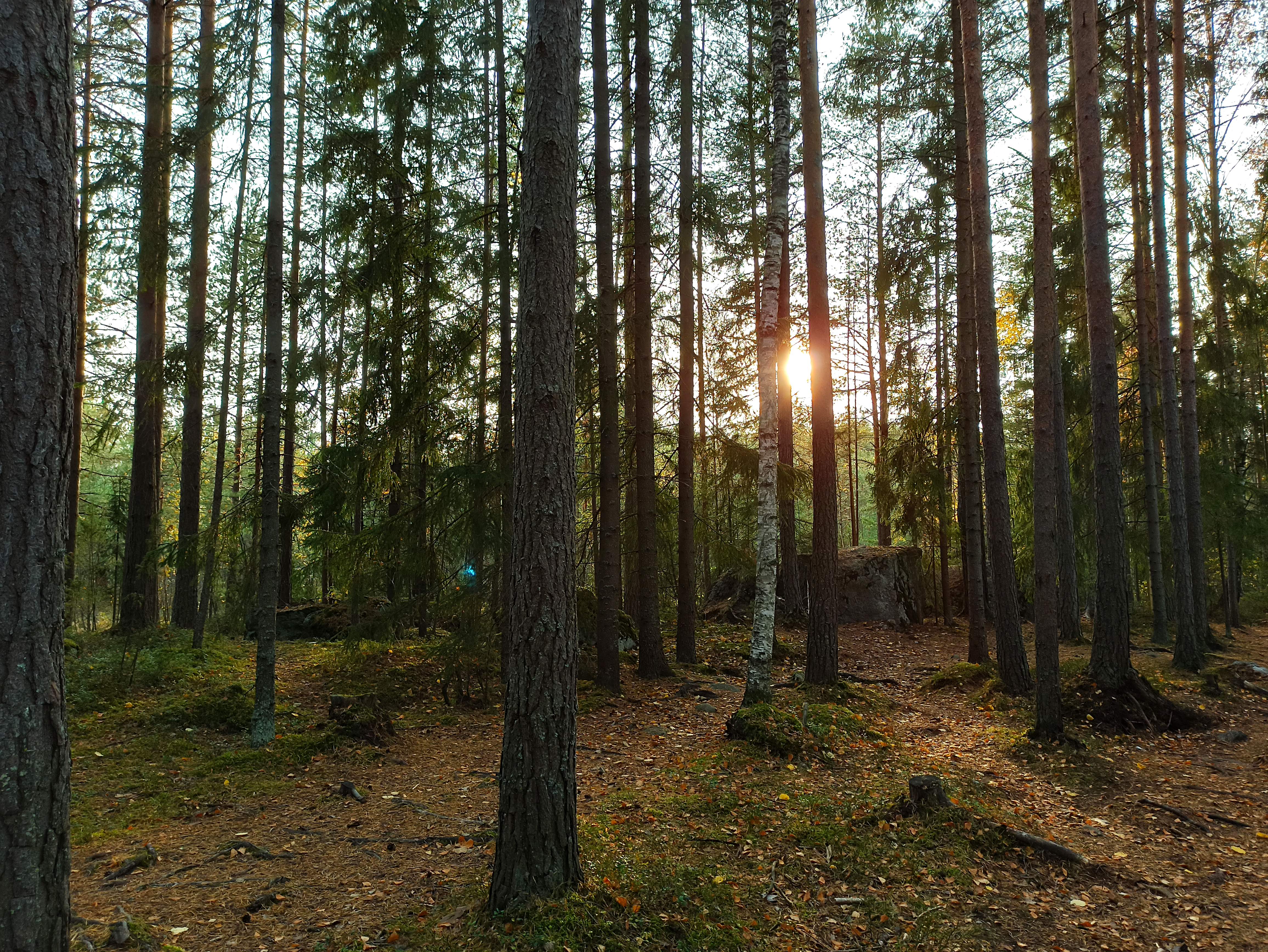
Finlands vast amount of forests and peatlands play a huge role when it comes to carbon sinks. Carbon sinks are any natural ecosystem viewed in terms of its ability to absorb carbon from the atmosphere. The majority of the country is full of forest which absorbs carbon from the atmosphere and peatlands hold massive amounts of carbon underground, away from the atmosphere. The country heavily supports peatland restoration and sustainable forest management, plus carbon farming research and wood-based products that have the ability to store carbon for the long term.
The Finnish government has also introduced sectoral climate roadmaps which help outline practical steps towards achieving their carbon neutral goal by 2035 alongside industries and municipalities. The collaboration with businesses, scientists, and citizens is one of the reasons Finland’s plan is seen as credible and socially grounded.
Despite all these promising progressions, there are plenty of serious hurdles Finland has to face to achieve their 2035 goal. The biggest if which being a large weakening in carbon sinks. Logging has increased and increasing global temperatures negatively affect forest growth, causing the countries land-use sector, which once absorbed millions of tonnes of CO2 a year, to turn into a net source of emissions.

The same way peatlands store lots of carbon, when they dry out all their stored carbon gets released back into the atmosphere. And again due to the increasing global temperatures, peatlands are more and more prone to drying out. As previously stated, the finnish government is putting in investments into peatland restoration, however restoration requires careful planning and funding so it can be tricky.
Economically, Finland must also balance its climate goals with rural livelihoods. Forestry remains a cornerstone of the Finnish economy, so any change to forest management policies can be politically sensitive. The government faces the challenge of maintaining jobs while tightening sustainability standards.
But despite these difficulties, Finland’s 2035 sustainability target sends a powerful signal to other countries that carbon neutrality and significantly reducing impacts on global climate change is achievable and worth putting in all the effort for. Finland’s ability to combine clean technology, public engagement, and ecosystem restoration offers valuable lessons for the rest of the world. If Finland meats its 2035 goal, it will not only be the first nation in the world to achieve it, but greatly inspire others to follow in their footsteps. It will prove that ambition backed by action can turn climate promises into a reality.



Comments