Those of us living in Finland know very well what April here usually means – in one elegant word, takatalvi (a sudden winter spell after the first rays of spring, repeated several times). Takatalvi decided to welcome Helsinki with a snowstorm on the day of my NYC-bound departure. Luckily, having nearly missed my connecting flight from Reykjavik due to plane de-icing at Vantaa airport, I arrived in the heart of the Big Apple. Thanks to TURNS-provided funding, I was ready to attend this large-scale event on urban affairs titled ‘Cities on the Edge’, jointly prepared that year by the European Urban Research Association (EURA) and the American Urban Affairs Association (UAA).
The primary goal of both EURA and UAA, albeit with a different geographical area of interest, is to promote the interdisciplinary, international, and interdimensional academic debate on innovative urban research and ideas. In particular, EURA wishes to offer an active networking platform to facilitate knowledge exchange between researchers and policymakers. The annual EURA-organised conference acts as a great opportunity to support these objectives.
In 2024, the theme of the conference was ‘Cities on the Edge’, which refers to the way in which rapidly growing and evolving urban hubs walk on a tightrope before becoming victims of their own success. Even more specifically, the focus of the event was ‘Promoting Equity and Resiliency through Research, Activism, Planning and Policy’. An event investigating an interconnected synthesis of these fields in shaping the future of our cities seemed just the right fit to share the topic and partial findings of my doctoral research, as well as to meet like-minded scholars and activists.
The event attracted hundreds (if not thousands) of presenters from all around the globe, covering a true diversity of topics. I had the pleasure of presenting my research, pursued at Tampere University’s School of Architecture, on the way policy contexts shape negotiation landscapes between stakeholders in delivering mixed tenure housing in selected international settings. The importance of my contribution lies in promoting healthy urban design management processes in creating tenure integration, which in turn enhances social sustainability in and out of the neighbourhood block. Addressing the constant rise of urban loneliness and exclusion in cities, the objective of my research is to advocate for mutually satisfying stakeholder relationships as a foundation for long-term sustainability in our cities.
I shared the panel ‘Housing Development Approaches’ (part of the Rights to the City track) with other great presenters, which happened to focus on some pressing urban challenges in the American context. This included, i.e., how data-driven methods can be introduced to assess the impact of transit-oriented development proposals on suburbia across New York State or how the growing reliance on mobile home parks in suburban America creates a state of quasi-homelessness. We finished the panel with a discussion on how to communicate our research findings to other public and private actors, who might not necessarily share the same concerns regarding the liability of our cities.
The debate on cohesive housing mix and anti-segregation measures, which I contribute to through my research, is increasingly relevant in many urban contexts around the world. This was also visible at the conference through the presence of, e.g., researchers from Aalto University, investigating how the prevention of segregation combined with social inclusion is interpreted in the case of waterfront developments in Turku. Amongst other presentations that caught my eye was also the study on the impact of institutional residential investors on the unaffordability of housing in Warsaw.
After the conference duties (and as a first-time visitor), I naturally made my way through some of the most iconic sights that Manhattan and the city have to offer. This included the Rockefeller Center, Central Park, Grand Central, the Guggenheim, the Financial District, and the Lower East Side, to name a few… I took a ferry to see Liberty and Ellis Islands and paid respect to the city’s (and the country’s) history written by innumerable masses of immigrants. I walked the Brooklyn Bridge, saw traces of the industrial past in Dumbo, and the opulent brownstones of the wealthy Brooklyn Heights, Boerum Hill, and Park Slope.
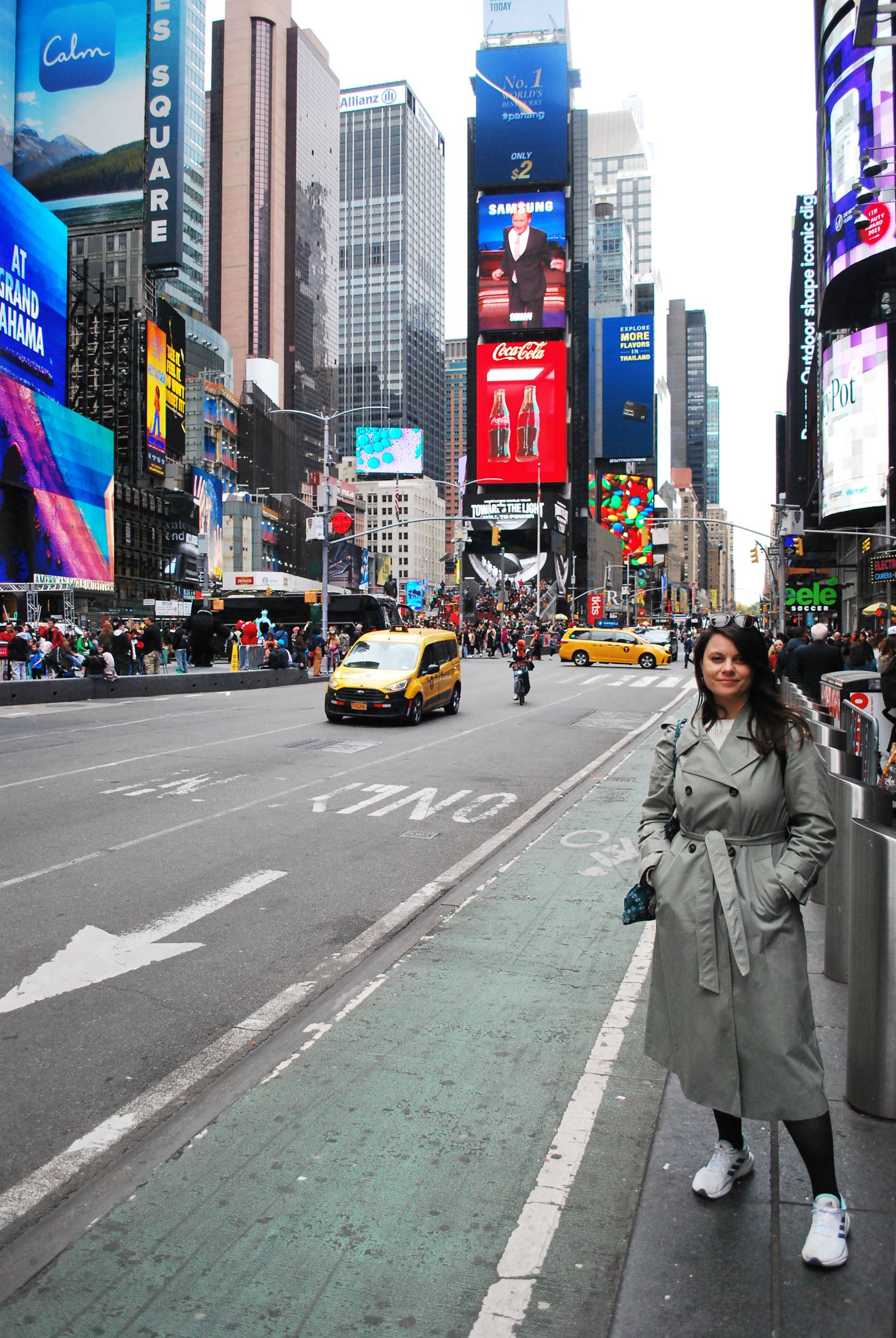
To say that it felt ironic to talk about problems of urban socioeconomic discrepancies in a place like New York City would be an understatement at best. Not only was the conference held in a city with one of the highest real estate pricing, homelessness, and inequality crises in the world, the event venue was the Marriott Hotel in Times Square – the literal eye of the capitalist (or tourist?) tiger. As every day I crossed arguably the most famous urban ‘wedge’ in the world, unrelentingly flooded by bright lights, tourists and tourist-scamming hustlers day and night (apparently no real New Yorker ever sets foot there – I wonder why), I thought to myself about the New York described by Jane Jacobs in 1961 in the legendary ‘The Death and Life of Great American Cities’.
Having paid a visit to Jacobs’ neighbourhood – Greenwich Village, it is not difficult to see why it has remained one of the most characterful areas in the city. Some of the things have not changed much since the book’s release. The irregular street layout with its architectural variety in terms of the buildings’ age, type, and height, including the iconic brownstones, still forms the nucleus of the Village. Pedestrians still occupy the wide sidewalks, appreciating the human scale, so uncharacteristic of the typical Manhattan grid. Street life is still busy with multiple hairdressing salons, dry cleaners, vintage stores, pizza parlours, bars, and restaurants.
However, it is also clear to see the striking differences with the Village of Jacobs’ time. The extremely high rents and purchase prices of both housing and commercial real estate have undoubtedly left a mark on this neighbourhood, previously inhabited by representatives of various social and income spheres. The typical residents’ profile nowadays seems to be predominantly young, white, affluent, and without children. Although there is still a range of uses in the area, multiple empty storefronts alternate with mostly expensive, high-end services, catering to the needs of the new wealthy cohort. Smaller, less profitable businesses for users of different financial means or demographics – the beacon of community and street life- are now a long-gone memory.
Nearby Hudson Yards, with a constant flux of people walking the High Line, boasts some of the highest real estate pricing in the city. Elsewhere in mid-Manhattan, the presence of multiple pencil towers (skyscrapers of extremely narrow footprints) is a constant reminder of the city’s insatiable appetite for both height and dollars. Many of the apartments remain empty, their owners enjoying the security of their investments, not infrequently on the other sides of the world.
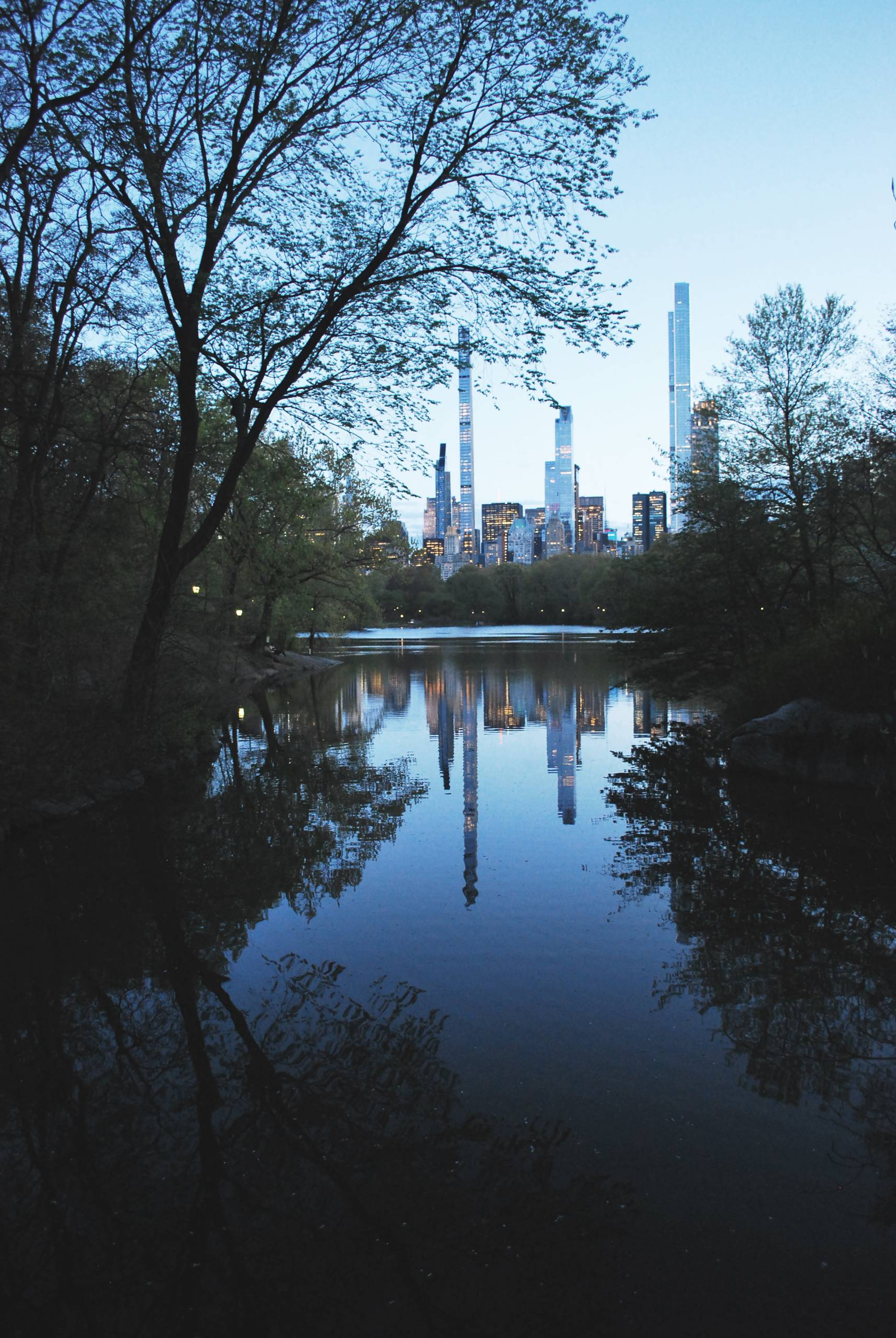
As a Pole, I was curious to visit Brooklyn’s Greenpoint – the previously beating heart of the Polish community. ‘Previously’ or ‘before’ seem to be the words constantly coming to mind, as, at the local ‘Polonia’ bookstore, I listen to the stories about long-standing local businesses, greengrocers, and community halls, brutally forced out of the area by the recent wave of development and rising commercial and residential costs. This includes, for example, the redevelopment of the previously industrial waterfront, such as the erection of The Huron, a luxury residential complex recently featured in Netflix’s ‘Owning Manhattan’ reality show, focused on glorifying the infinite cut-throat inflation of the city’s real-estate prices.
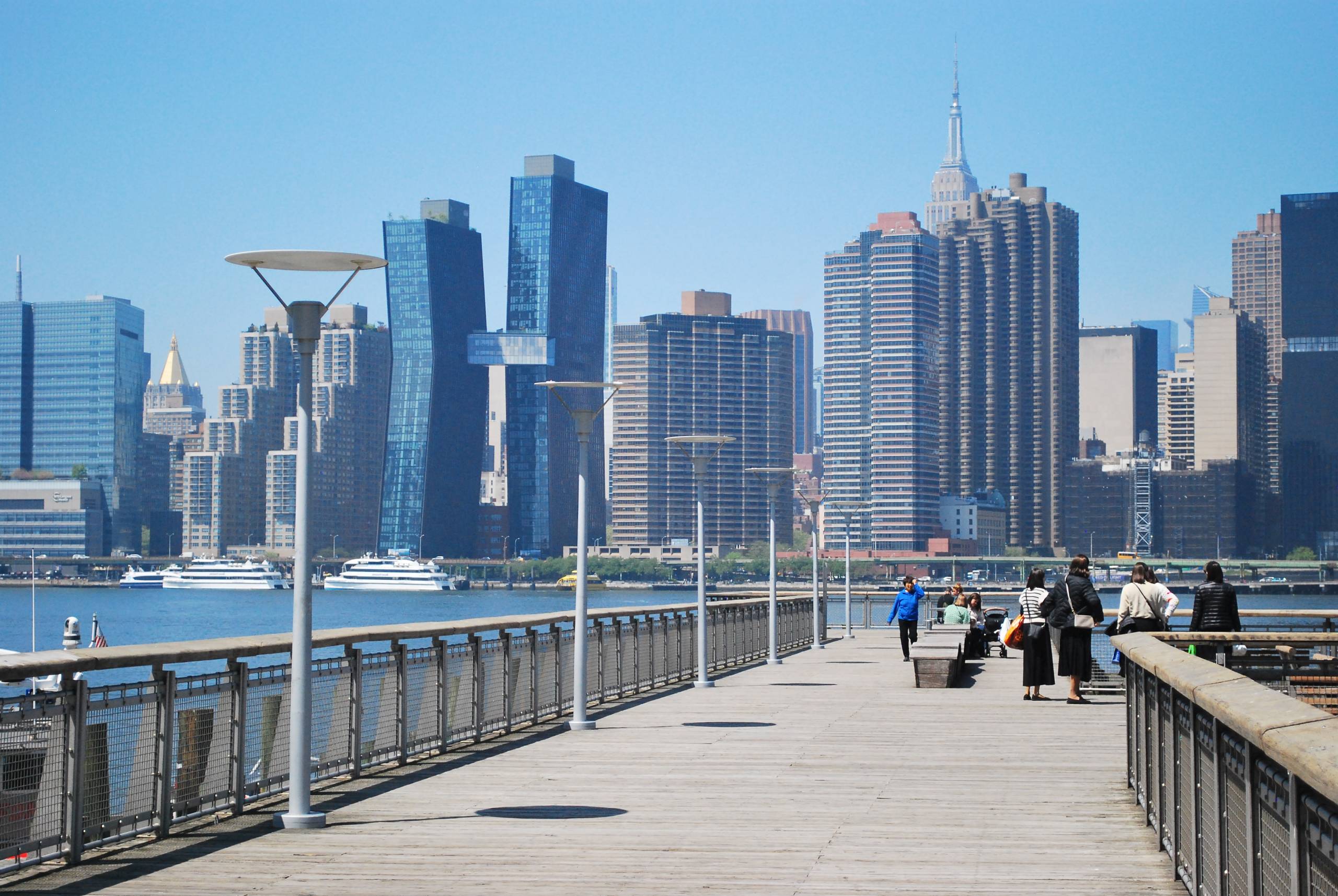
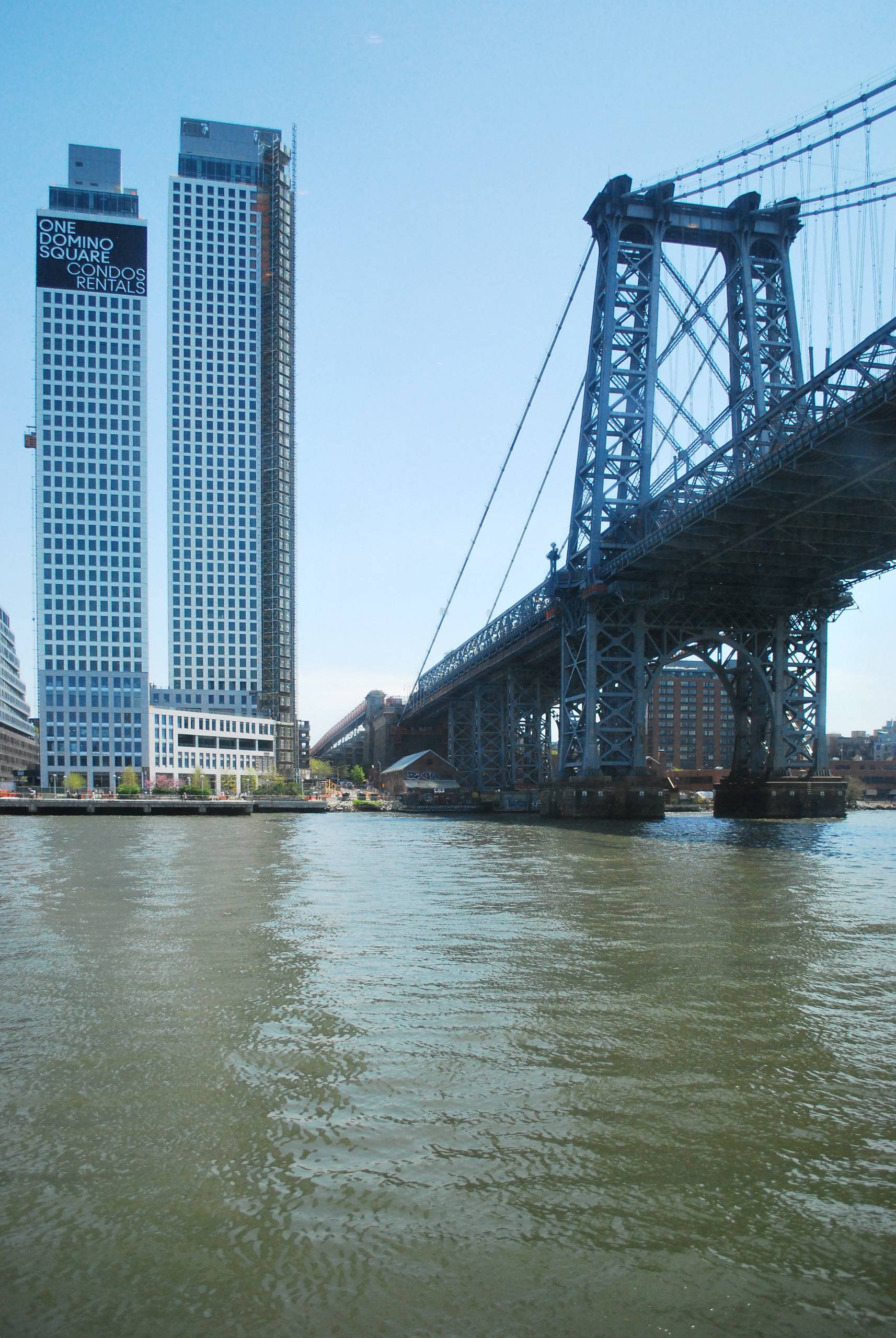
Observing the issues faced by NYC and listening to other conference presenters, my urge to continue the debate on housing rights, urban design management, and social sustainability is now stronger than ever. Even though these goals might seem futile, when confronted with the limitless extent of developers’ greed, officials’ inaction, and slow wheels of policy making, the researchers should do their best to convey the message of equitable access to housing and balanced communities as a human right to the outer world.
Aleksandra Zarek is an architect (UK ARB) currently working at APRT Oy in Helsinki, a doctoral researcher, and design studio instructor at Tampere University’s School of Architecture. Her doctoral research interests include urban design management in delivering socially and environmentally sustainable built environments with a focus on mixed tenure housing.