Our guide to Frihamnen could not have been better as we were hosted by David Gough who is a landscape architect and studio manager at Mareld Arkitektur. Along with atelier le balto, Mareld was commissioned to prepare the master plan and design several parts of Jubileumsparken – a new park built in Frihamnen to celebrate Gothenburg’s 400th anniversary in 2021. David also hooked us up with the city of Gothenburg’s project leader Amelie Sandow who has been involved with Jubileumsparken’s development from the start of the project works in 2013.
Jubileumsparken consists of different parts. Shoreline Park is a temporary park which works as a testbed for natural succession. Martin Allik from Mareld explained us how spontaneous vegetation produces new habitats that enhance biodiversity and adaptation to climate change while offering possibilities to explore and experience urban nature. Similar idea is also the guiding principle in Play & Learn Park. The variation of vegetation and spatial forms aims to increase local and regional biodiversity and provide children possibilities for unprogrammed play.
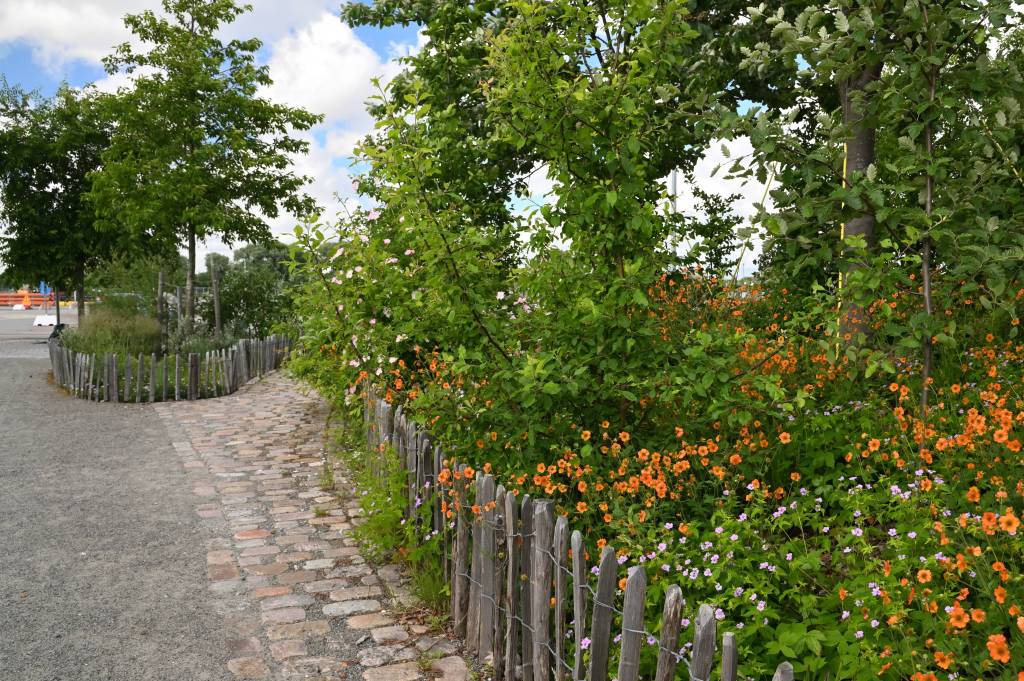
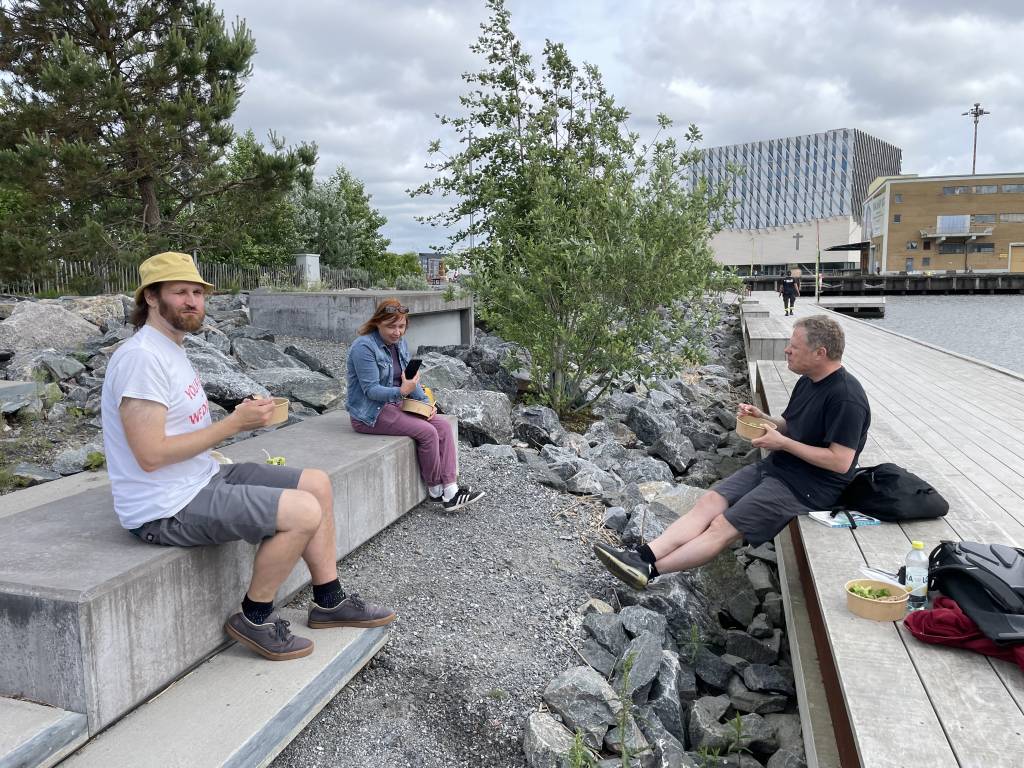
What is significant in Frihamnen is that it has been developed through an open process, prototyping and testing different functions and methods to build a sustainable urban environment. Such an approach has succeeded in engaging the wider public, the city organisation and various stakeholders with their expertise in developing Frihamnen. This became evident when the city’s project leader Cecilia Helsing introduced us the ‘transition lab’ Omställningslabbet that brings local people, diverse stakeholders and experts together to envision and implement new solutions for future Frihamnen and Gothenburg. Cecilia also took us to nearby Flytevi, which is a New European Bauhaus prize winning blue community garden for growing algae and mussels.
Besides Frihamnen, Southern Sweden offered interesting biodiversity spots that demonstrated the possibilities to create new uses for post-industrial landscapes. On our way to Gothenburg, we visited a limestone quarry converted into a nature reserve, the Limhamn Kalkbrott (photo 4), in Malmö. The limestone was formed 65-62 million years ago, during the Paleogene period. The current state of the area illustrates how nature can heal itself in surprising ways and with the help of ecological restoration professionals who can both support the process along as well as create new landscapes with novel ecologies.
The site had been used for industrial lime mining for more than 100 years – from the mid-19th century until the 1990s, but currently rare animals and plants thrive in the special and lime-rich environment. Limhamn’s limestone quarry has over 2,000 different animal and plant species, for example a variety of birds such as raptors, owls, waders and small birds. Many birds also take the route over the limestone quarry when they are moving towards the continent because they benefit from the thermals (i.e. the warm air currents) over the quarry. Deer, hare, fox and badger are examples of mammals that live in the limestone quarry. Various species of bats have also been found. The red-listed, green-spotted toad, Bufotes viridis, is rarity living in the area.
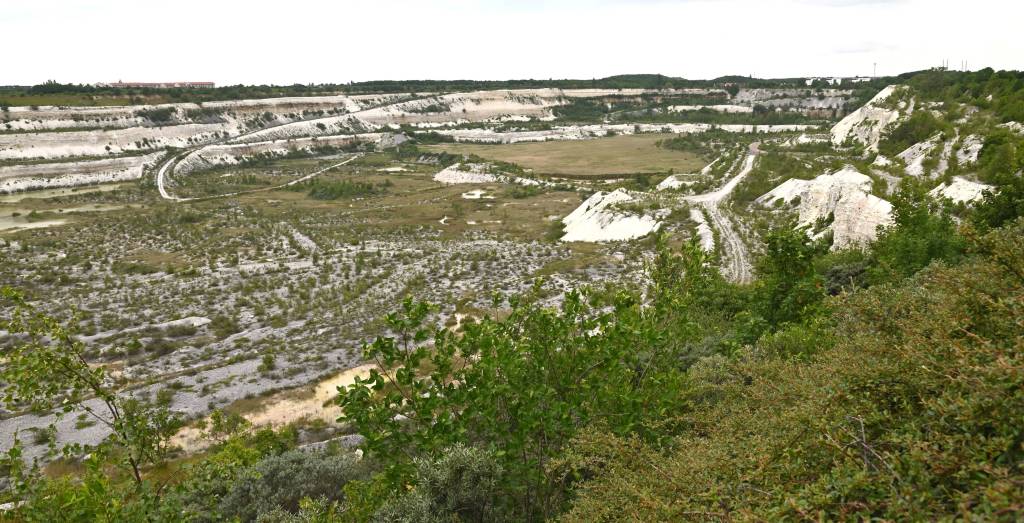
There are guided tours for the quarry, but these need to be reserved in advance. Thus, the quarry was not open on the day we visited, but we managed get the overall picture of the are from the corner of the park. The quarry is situated interestingly inside a neighborhood and has received some critics in terms of not accepting wider open public access to the area and creating environmental gentrification in the nearby housing complexes, that are promoted for wealthy retirees who can admire the view to the Sweden’s Grand Canyon from their balconies (Sandberg 2014).
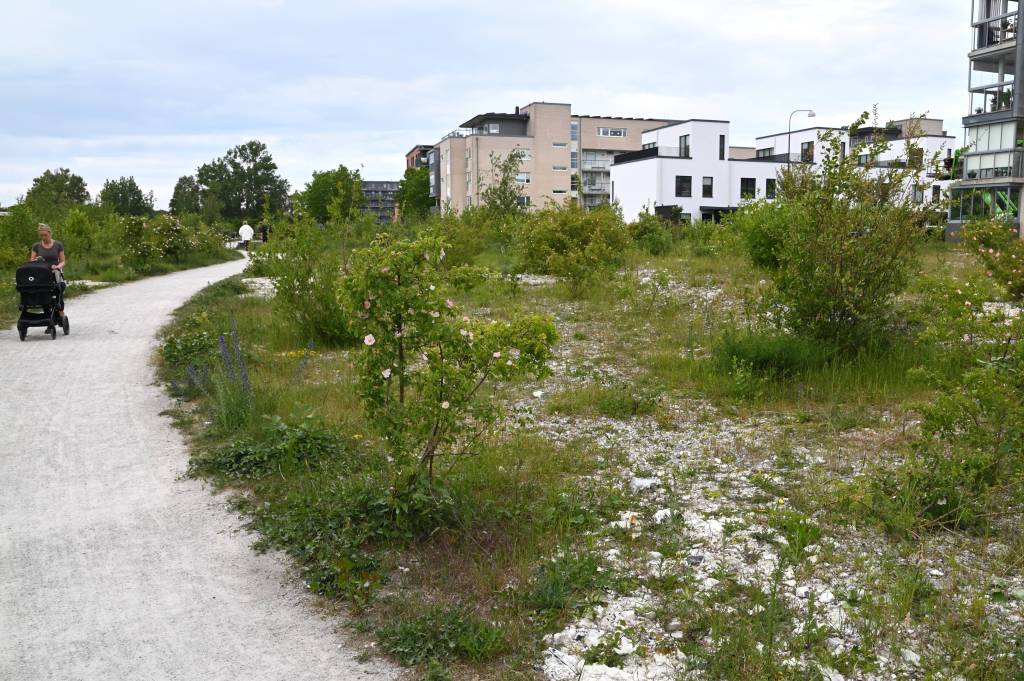
Beside the limestone quarry, limestone is used as a base for green recreational areas around the quarry surroundings, including some apartment buildings. Limestone creates novel ecosystems and habitats for calciphile species. We spotted some plant species specialized for limestone environments (photo 5). Limestone, spontaneous vegetation, and slow ecological succession create interesting landscape for outdoor activities.
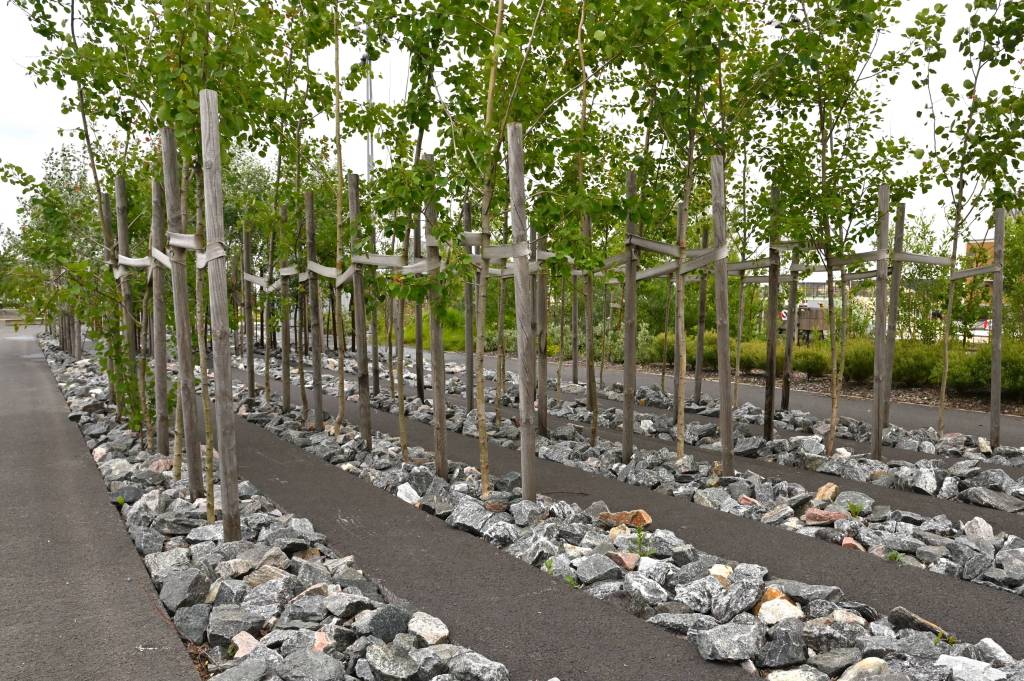
On our way back from Gothenburg to Malmö we visited Alnarp Landscape Laboratory that is part of the Swedish University of Agricultural Science. The landscape laboratory (photo 6) includes about 20 hectars of woodland stands, edges, shelterbelts, roadside plantations, meadows, wetland and waterbodies, constructed and planted close to campus from 1982 and onward. The laboratory offers a great inspiration for urban forests, parks, gardens and road environments, and they are studied and demonstrated in a beautiful diversity. The laboratory’s main aim is to explore and show examples of multiple use and enrichment in terms of forestry, recreation and ecological values.
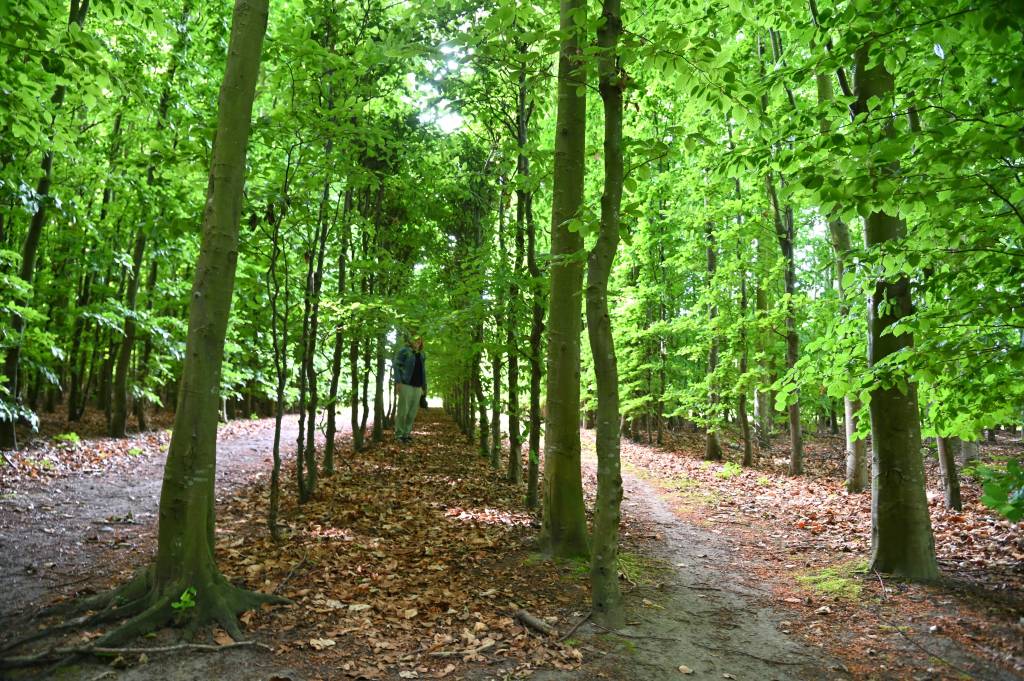
The landscape lab is rather unic in Sweden, but from a Finnish perspective it was something we had never seen before! The laboratory was used by students, teachers and researchers for long-term following up studies as well as shorter experiments, workshops and out-door learning. The Alnarp offered us lot of examples of the diverse possibilities of urban green-area creation and use, it inspired us greatly and can be recommended everyone interested in the development of urban environments from biodiversity viewpoint.
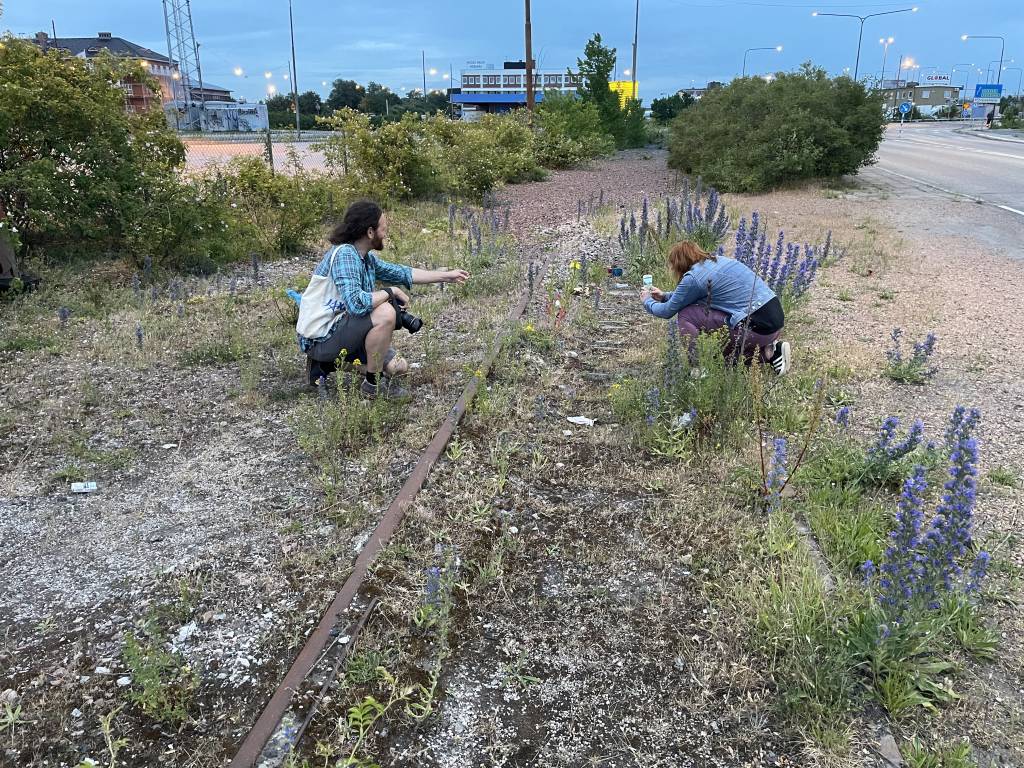
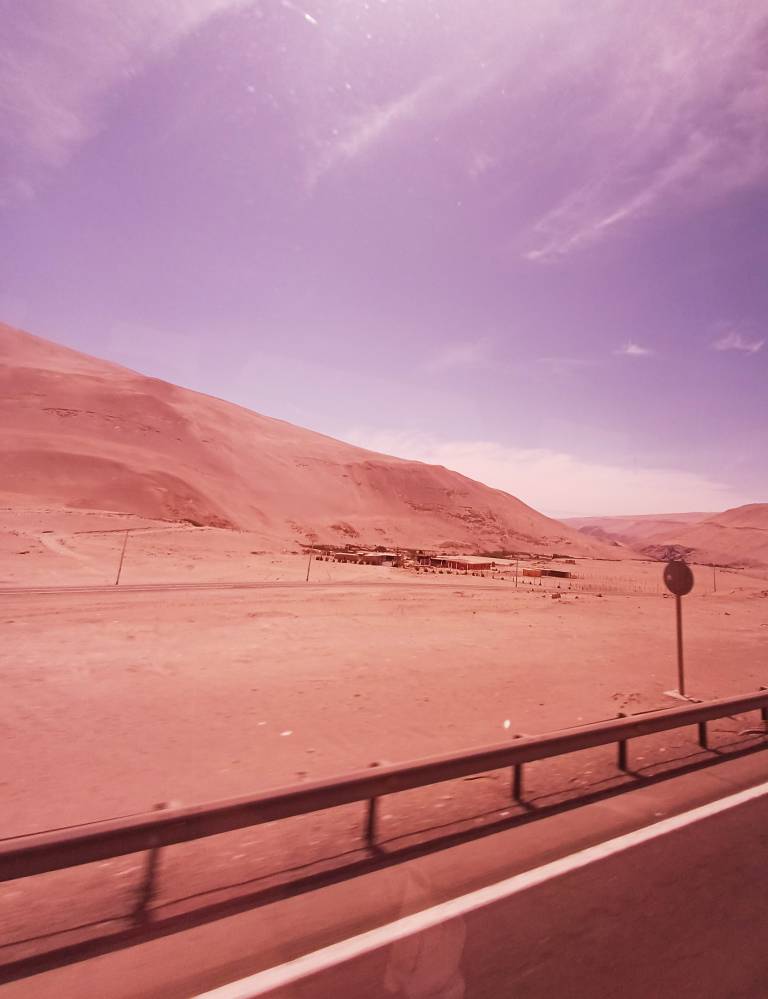
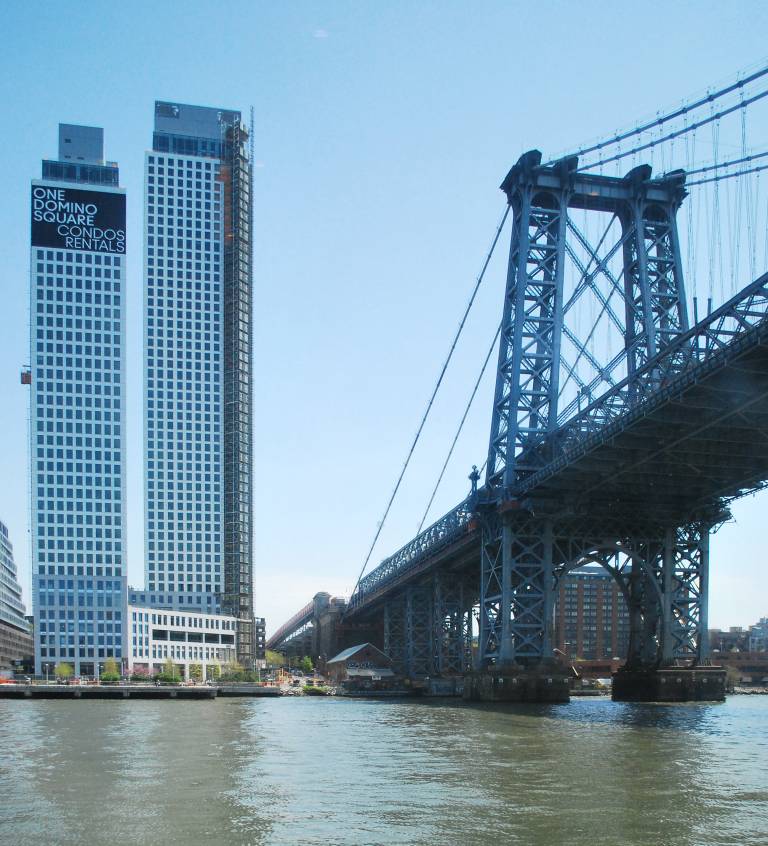
Whereas Frihamnen, Limhamn kalkbrott and Alnarp Landscape Laboratory offered a more systematic approach to biodiversity enhancement and habitat restoration, Malmö’s rugged industrial backyards and transforming port areas such as Nyhamnen revealed how human activity and spontaneous processes produce versatile and biodiversity-rich environments even in the smallest scale (photo 7). Therefore, we urge everyone to look at their own everyday environment with new eyes!
Helena Leino, Mikko Kyrönviita & Jere Nieminen
Helena Leino is a professor of Environmental Policy at the Faculty of Management and Business. Mikko Kyrönviita is a researcher at the Faculty of Social Sciences, and doctoral researcher in Environmental Policy at the Faculty of Management and Business. Jere Nieminen is a researcher of environmental policy. He is founder of Wild Zone nature conservation association (Villi vyöhyke ry) and founder of Future Nature Ltd (Tuleva luonto Oy)
The trip was kindly supported by STUE’s Action Grant.
Photos by Jere Nieminen & Mikko Kyrönviita.
References
Sandberg, L. A. (2014). Environmental gentrification in a post-industrial landscape: the case of the Limhamn quarry, Malmö, Sweden. Local Environment, 19 (10), 1068-1085.