
Chile is a long and thin country, its length reaching over 4300 kilometers. Most of its population is concentrated in the metropolitan region (Región Metropolitana) of the country’s capital, Santiago, in central Chile. State administration is located there: ministries and administration headquarters in Santiago and the parliament in Valparaíso on the Pacific Coast. Also, international organizations and critical civil society operate largely in this area.
The central region also hosts most of the country’s close to two-million migrant population. However, the situation of people on the move, and especially of those travelling and seeking to settle in Chile without valid documents, is the most visible in the border triangle in the North of Chile. This triangle comprises the border between Chile and Peru, close to the town of Arica and some hundreds of kilometers southwards in Iquique. The latter hosts the harbor for neighboring Bolivia; Bolivia’s only access to the sea since the Great Pacific War (1879–1884). Before that war, most of the Tarapacá region was part of Peru, and the strip of land in the Atacama Desert at the level of Iquique belonged to Bolivia.
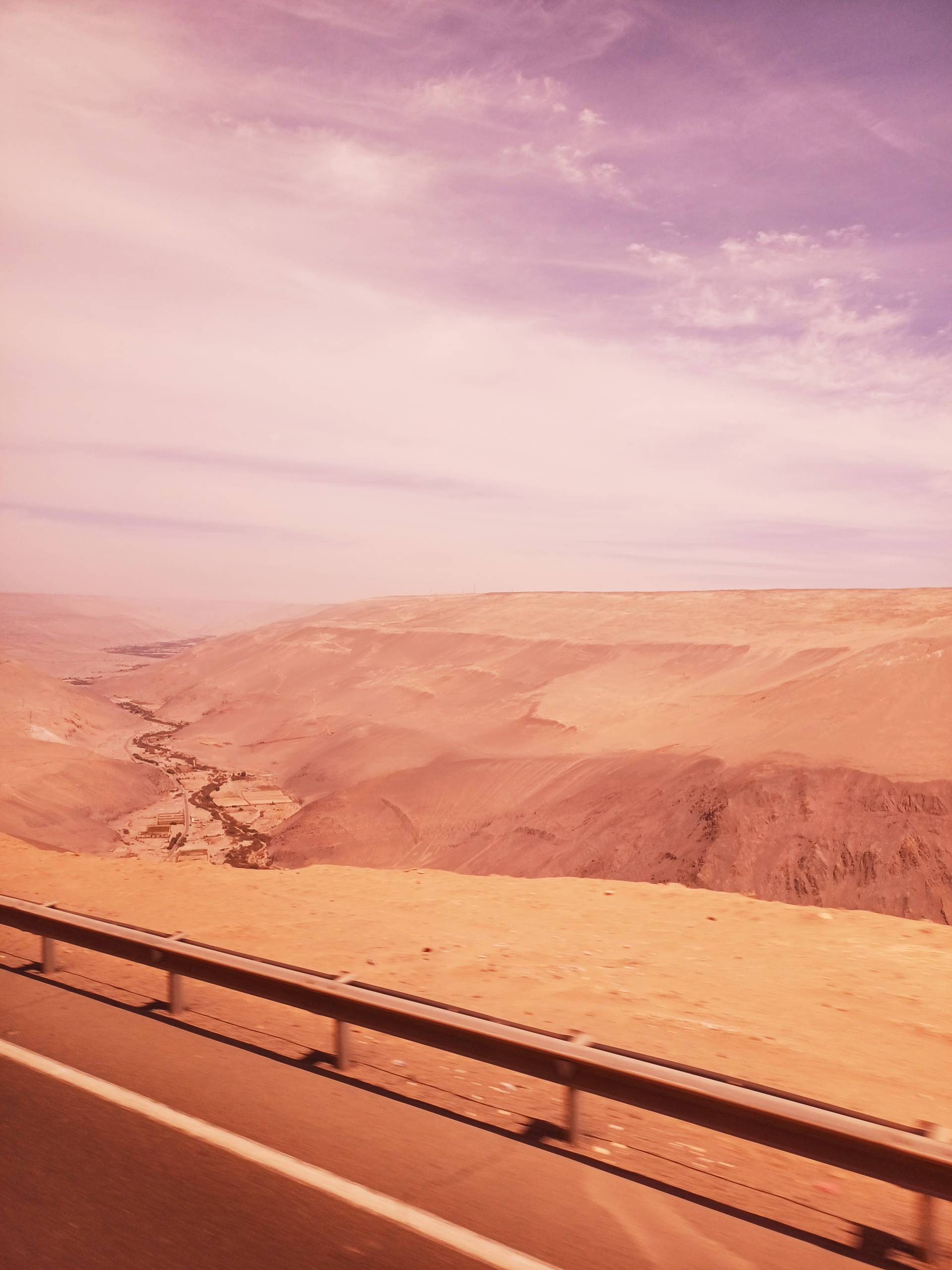
In November 2025, I travelled by bus from Santiago to reach the northernmost part of Chile, as part of my multi-sited research on borders and mobilities. I wanted to travel by land for environmental reasons, but also because this enabled me to grasp better the actual distance between places. Moreover, exchanging with other long-haul passengers both ways and observing the desert across hours of travel provided insights into the conditions through which people on the move are trying to make their way to safety and a better life.
Urban dynamics and trans-border realities in the North of Chile
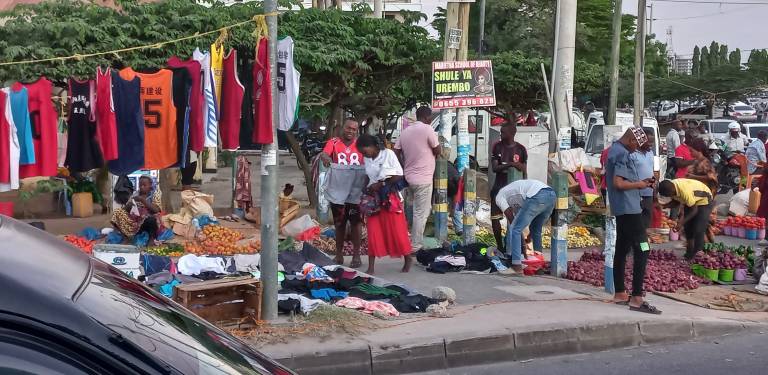
The twin city of Arica-Tacna reaches across the border between Chile and Peru. The border post in Chacalluta between these towns is very lively with local passengers and travelers from faraway locations alike. Chilean and Peruvian citizens and permanent residents in these countries can cross the border with a personal identity card, a passport not being necessary. Many people cross the border daily, including people engaged in income-generating activities. From the Chilean side, especially women travel to Peru to sell, for example, second-hand clothes imported from the US or Europe that cannot be imported directly to Peru.
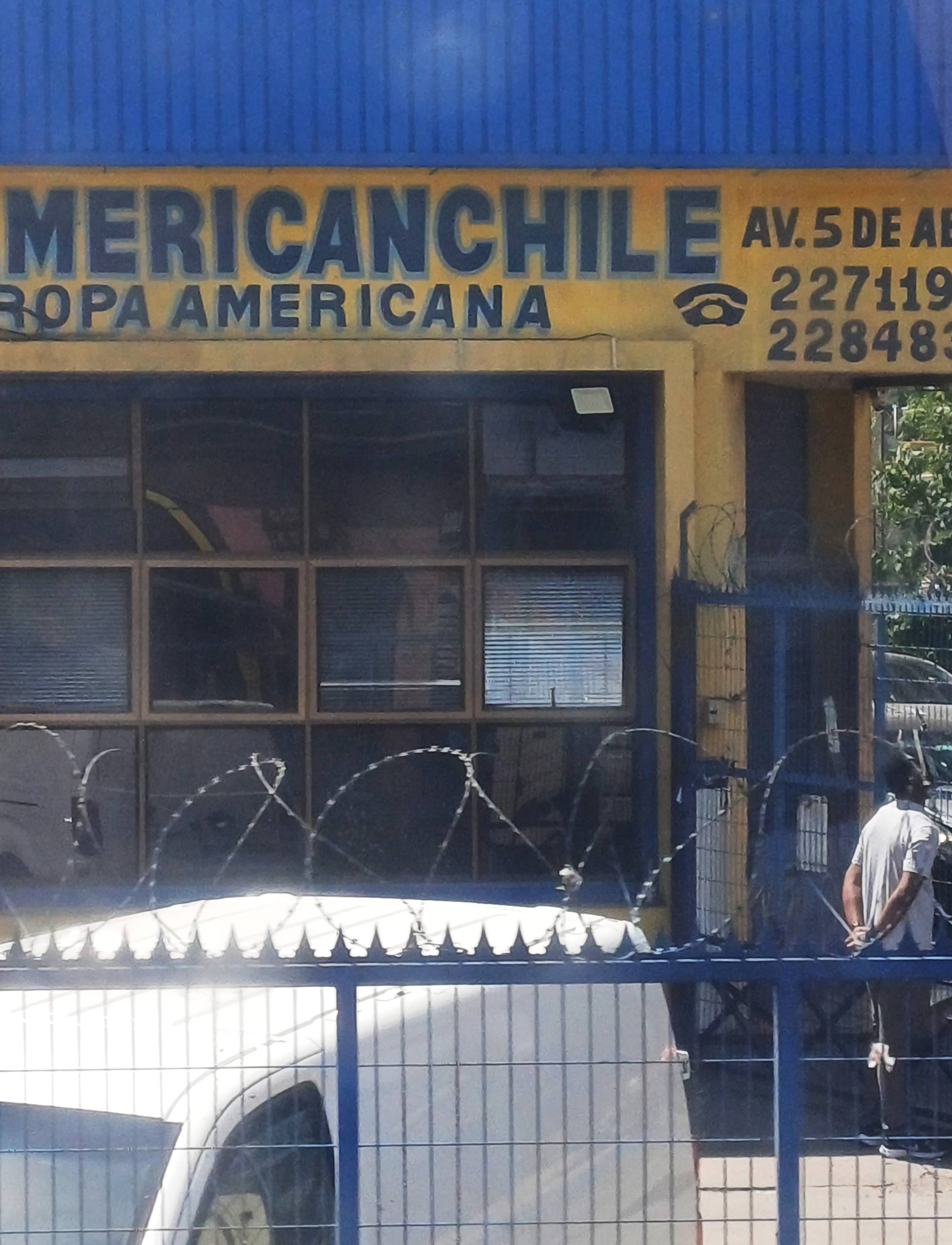
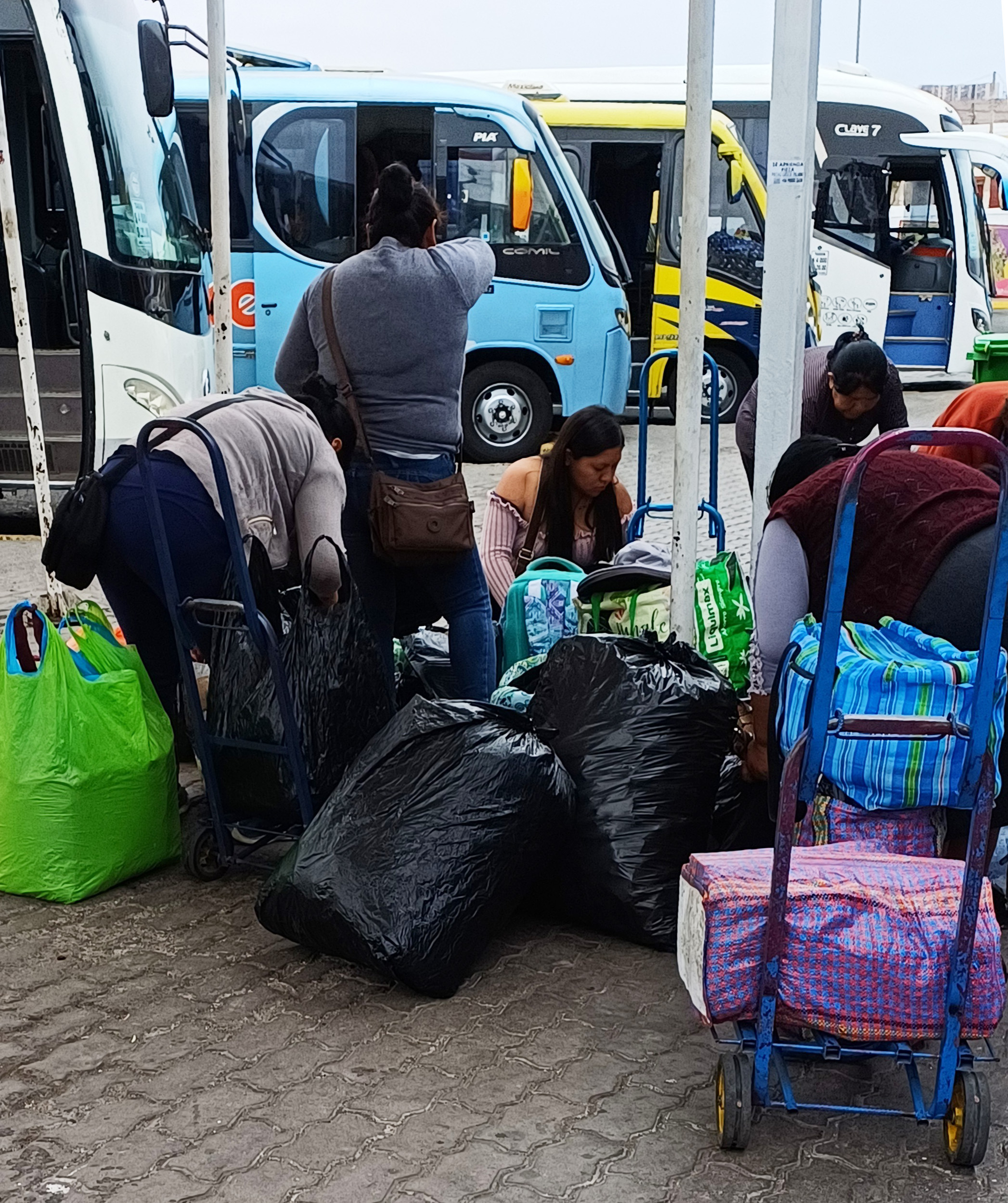
Women carrying bags full of clothing are a frequent sight in bus terminals in Arica and Tacna. From the Peruvian side, people cross to engage, for example, in daily labor in construction sites and restaurants or as street vendors. During the autumn of 2025, Chile sought to cut down on street vending, especially in urban spaces in the capital Santiago, and there in particular, those operating around the main railway station (Estacion Central) and in the subway. Their activities have been framed in the media as disturbing and posing a security threat, allegedly connected with transnational organized crime. In Peru, street vending is part of the normal labor system, and some 80 percent of the population is said to work informally, without a written work contract. Obviously, not all of them work as street vendors.
Departing from Iquique, some four hours of travel across the Andean Mountains takes one to the small town of Colchane, the border crossing site between Bolivia and Chile. Since 2022, Chile has militarized this border area intensively, and checks are frequent in the ten-kilometer zone from the actual border line. There is also a center that was initially built as a reception center for asylum seekers, but it currently works as a temporary shelter for those to be returned immediately. The return agreement between Bolivia and Chile covers not only nationals of signatory countries but also third-country nationals, who are mainly Venezuelans in this region.
Entwining research and societal action
The University of Tarapacá has campuses in Arica and Iquique, as well as a small office in Santiago. In Social Sciences, much of the research addresses migration, borders, and indigenous communities. These themes are connected as especially the Aymara community lives in all three countries of the region. Moreover, the region is a mining area, and mining activities have destroyed the environment in indigenous lands.
Researchers also work with local civil society. One of these is AMPRO that advocates migrants’ rights, organizes many activities, and hosts a low-threshold information center in Iquique. AMPRO stands for Asamblea Abierta de Migrantes y Pro-Migrantes and is accordingly a non-hierarchical group (Asamblea abierta) that includes migrants regardless of their nationality and Chilean nationals promoting migrants’ rights. The group works across the region, but its most active core group is in Iquique. Migrants in Arica have been more difficult to convince to take longer-term, organized action. This may be related to, at times, a very tense border context as well as to the perception of living in Arica only in short-term transit, even if many may have lived in the town for many years.
Border politics and human mobility in the center of political struggle
In mid-November, Chile held general elections, including the first round of presidential elections. During the electoral campaign, each of the candidates visited the northern border region to explain how they would enhance border security. Everyone confirmed that they would do everything they could to ensure border security and combat international organized crime. Extreme right candidates called for land mines at the border, alongside forcible removals of aspiring settlers. As elsewhere around the world, migration, borders, and security were central electoral themes.
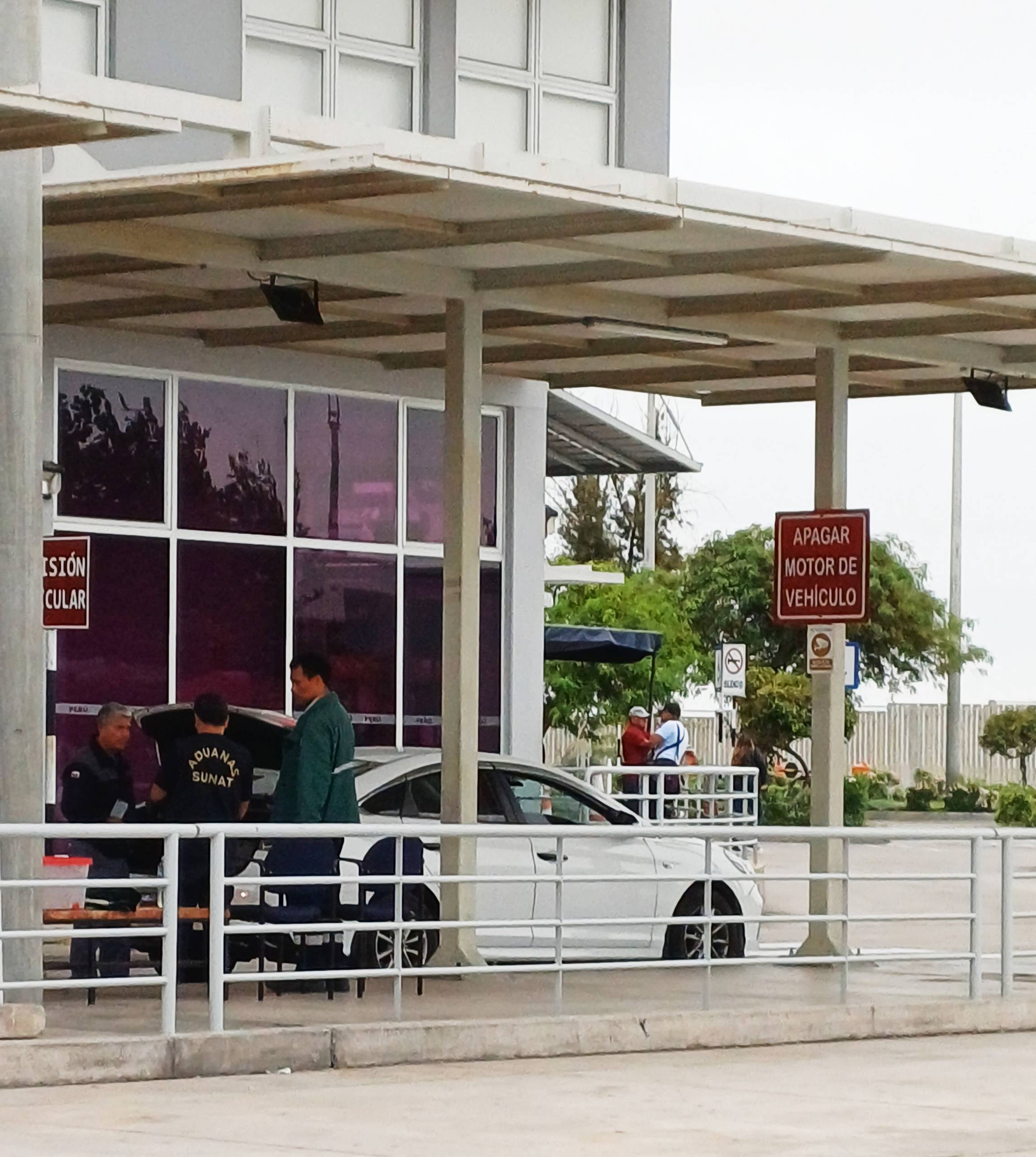

In between the presidential election rounds, in late November 2025, the border became a central news item in both Chile and Peru. This concerned some tens of people without valid travel documents who sought to leave Chile and enter Peru, journeying towards their respective home countries. Chile had let them out, but Peru denied entry, and these people were stuck in the in-between border zone. Peru sent military personnel to the border to help regular border guards and ministers. Central migrants’ rights organizations such as Servicio Jesuita de Migrantes (SJM), commented on the situation. Some point out that, despite the mediatized ‘crisis’, it involved only a small number of people growing tired of living in uncertainty and wanted to return home.
A similar, yet more amplified crisis happened in 2023, when several hundreds of people were stuck at the border, that time in their quest to enter Chile (see, for example, Pari-Bedoya 2025). That context is assessed as the beginning of an enhanced securitizing and militarizing approach to migration in Chile, yielding political action and ensuing legislative measures. With the extreme right candidate gaining the presidential elections, these measures are likely to become amplified, which in turn necessitates increased vigilance and continuous mobilization from those engaged in enhancing migrants’ rights.
Anitta Kynsilehto works as an Associate Professor at Tampere Peace Research Institute, Tampere University. Her research focuses on human mobilities and related solidarity action as well as border politics in different parts of the world. Alongside research, she is trained as a deckhand in voluntary search-and-rescue activities in water.
Reference:
Pari-Bedoya, Ilda Nadia Monica De La Asuncion (2025). Institutional asymmetries in border crisis response: State constraints and non-state adaptability in the 2023 Peru-Chile migration emergency. Frontiers in Political Science, Section Dynamics of Migration and (Im)Mobility, Volume 7 – 2025 https://doi.org/10.3389/fpos.2025.1582184