
Air pollution challenges our health
Exposure to air pollution has also been connected to several negative health effects, such as respiratory and cardiovascular diseases, and it is one of the leading causes of premature death. (Zang et al., 2022, WHO, 2021). In Finland, the air quality is amongst the best in the world, yet around 1,600 premature deaths are associated with air pollution every year (Hänninen et al. 2016). In addition, poor air quality is connected to low visibility and general comfort, especially in urban areas.
Measurement data on outdoor air pollution are widely available through air pollution monitoring networks operated by cities and municipalities. However, people spend most of their time indoors. When considering the citizens’ overall exposure to air pollution, homes are especially interesting because in Finland and other European countries, people spend approximately 65% of their time at home (Morawska et al. 2017). This raises questions about how to get precise measurement data on the air quality of private homes. So far, this data has been largely out of researchers’ reach.
Citizen science as a method
A promising method for getting air pollution measurements from private houses is citizen science. In this research method, volunteer citizens participate in scientific research, for example, by measuring and observing their surroundings independently with the support of researchers and share their findings with academics for further analysis.
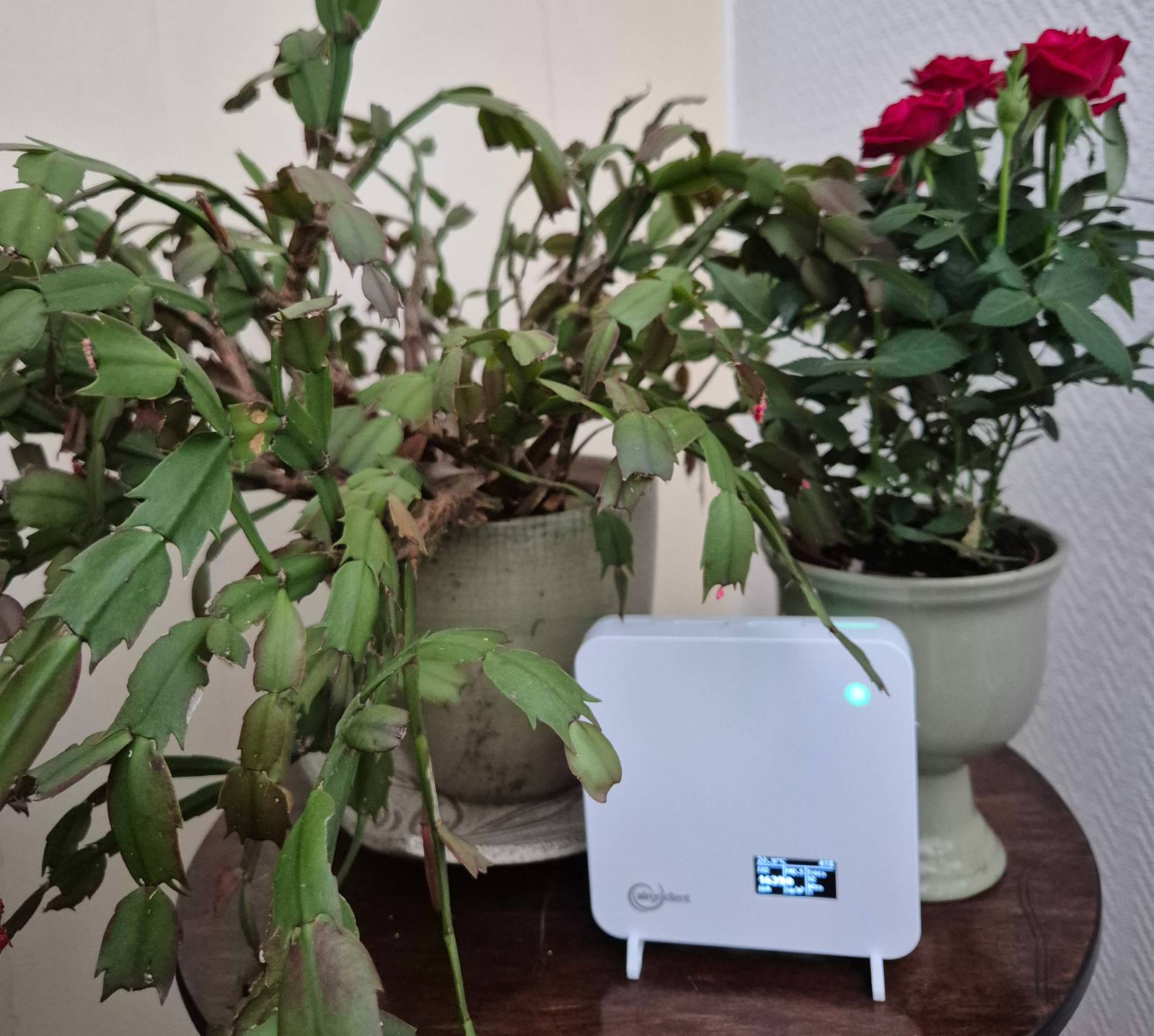
The development of affordable and portable air quality sensors like the one in the figure has enabled the citizen science approach to be extended to indoor air quality research. These so-called low-cost sensors are relatively cheap, easy to use, silent, and light, so citizen scientists can easily operate them in their homes.
Different indoor activities showed elevated concentrations
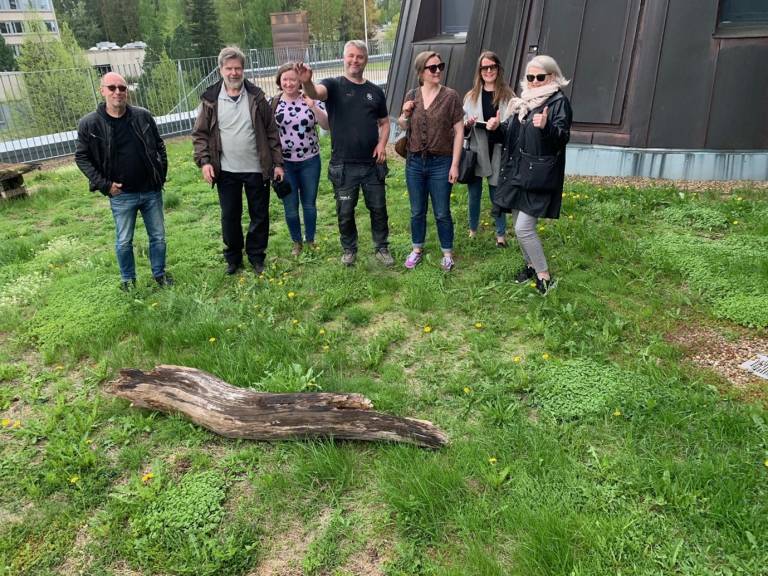
In November 2024, a group of citizen scientists, enthusiastic to learn more about the indoor air quality at their homes, were given air pollution sensors with instructions on how to use them. After familiarizing themselves with the topic of indoor air in a workshop with Urban Physics Research Group from Tampere University, the citizen scientists ran air quality measurements during a period of 3 weeks at their homes. The levels of different pollutants were visible to the users, allowing them to follow changes in air quality in real time. In this way, they also learned how different phenomena and indoor activities influenced the indoor air quality.
During the measurement period, the citizen scientists made several interesting observations. Many well-known indoor activities, such as cooking, candle burning, and the use of household and personal care chemicals, were reported to have led to elevated pollution concentrations. Also, changes in outdoor conditions such as frost periods, traffic, and residential wood burning were tracked by the sensors. Citizen scientists also made interesting observations on how the indoor air quality could be improved, e.g., by increasing the ventilation. These findings showed that measurements at homes managed to increase the participants’ and their families’ awareness of indoor air pollution and the factors affecting indoor air quality, including residents’ actions.
Feedback calls for new research
After the measurement period, the citizen scientists got back together with the researchers in a closing workshop. In this workshop, the researchers provided more information on the means to reduce and control indoor air pollution. Some practical tips on how to improve indoor air quality are:
- Use effective ventilation. Clean and maintain the ventilation system regularly.
- When cooking, use a cooker hood.
- Avoid smoking and burning candles, etc., indoors.
- Use cleaning chemicals and hygiene products moderately.
During the workshop, the citizen scientists were also encouraged to ask questions that had occurred to them during the measurements. The shared experiences on the measurements and observations provided valuable information for the researchers on how to effectively use a citizen science approach for indoor air research in the future, and confirmed that this method can help to provide valuable air quality measurement data from homes.
In general, citizen scientists found the measurements interesting, and they felt that the measurement period could be even longer in future studies. Most importantly, the citizen science approach enabled the emergence of new research ideas relevant to urban residents. In the future, it would be relevant to study, for example, the spatial difference of indoor air quality at homes in and around the cities. This way, future research can serve the needs of the citizens, improve their health and wellbeing, and promote sustainability in the community.
The study was funded by the STUE action grant. Dr. Salla Jokela is thanked for editing.
Anna-Kaisa Viitanen, DSc (tech.), works at Tampere University as a researcher in the Urban Physics Research Group and as a lecturer in the Sustainable Urban Development bachelor’s degree program. She has studied air quality for several years, first outdoors, then in work environments, and most recently in residential buildings.