Empathy and art in HUMANE-CLIMATE -research project
Climate change is transforming and deteriorating living conditions across the world. The process began intensifying during colonialism and industrialization and laid the foundation for the contemporary global economy and power relations between countries.
In response to this deeply unequal process, people in many regions are adapting through various forms of (im)mobility. Some relocate seasonally or permanently—either to distant regions or nearby towns—while others remain in place, adapting to changing conditions. Many (or most) people are forced to stay without the necessary knowledge or means to move away from deteriorating environments, especially in the so-called Global South. In North America and Europe, migration is more likely to be voluntary.
For climate change education, adult generations must help younger generations to live with ecological crises and related migrations, and to understand: How did we get here? Why and how did colonialism begin, and how did it fuel industrialization—both of which contributed to and continue to sustain global inequalities between Global North and Global South, as well as within individual countries. This education should not further add to children’s anxiety.
While visiting the primary schools in Finland and Greece, we noticed that already 4th-grade students are very aware of phenomena such as climate change, migrations, and conflict (Kallio, Vainikka & Häkli 2025). Regardless of country of origin, they all have varying levels of understanding of climate change, whereas knowledge of its societal impacts differs more substantially. The current education fails to address this gap. In the classrooms, some children have moved from countries such as Afghanistan and Ethiopia. Students have thoughts and emotions about these issues, even though climate change is not adequately addressed in their education or curriculum, nor consistently discussed in the classroom.
Social impact via informal learning materials
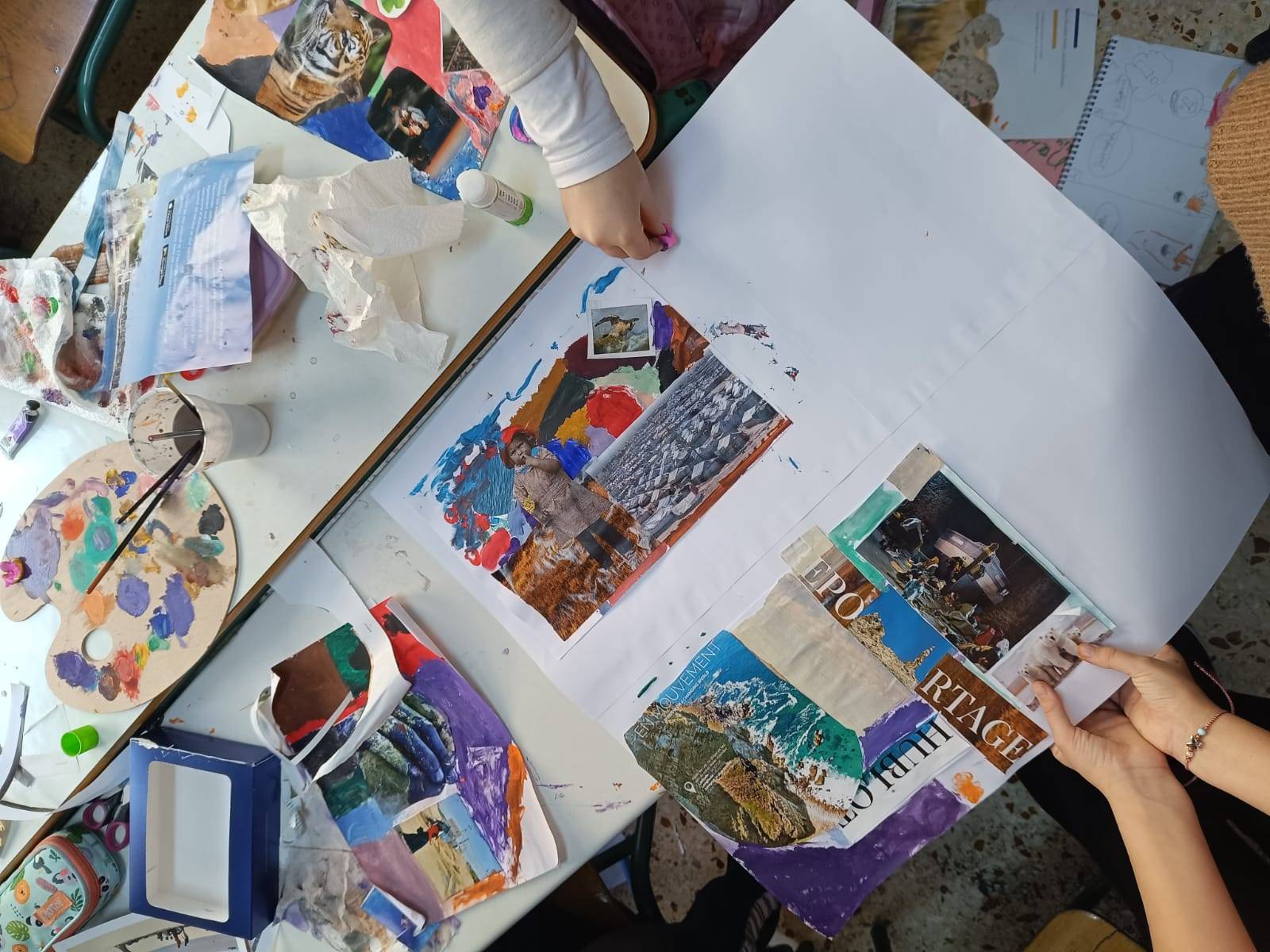
HUMANE-CLIMATE is a participatory research initiative through which we produce knowledge and develop informed approaches to climate education. Key strategies for addressing climate mobilities in primary schools—without increasing anxiety—include arts-based methods and empathy, alongside support for participation and collective forms of action. The methods used in our school interventions were multimodal and varied, recognizing that not every child connects with every form of expression.
Participatory art and especially the creation of playful space and atmospheres (Nussbaum 2012) is at the core of our work. In this space, students are allowed to be themselves and safely explore and experiment with otherness and difficult topics by using imagination while maintaining emotional distance. For example, they might continue the story of an open-ended short film differently, enabling them to engage creatively without feeling overwhelmed.
HUMANE-CLIMATE project collaborated with professional artists to use already existing materials and conduct, e.g., music pedagogy. We also co-created alternative learning materials for climate mobilities education. One of these was a music video based on a song “Huomisen lait” (Tomorrow’s Laws) by our collaborator LYYTI (musician Lydia Lehtola). Singing the song was an integral part of our environmental music pedagogy. The song was rehearsed several times during our work in schools and finally recorded. The music video was scripted by researchers and animated by Nick Haswell, based on students’ artworks. The video is available on YouTube for non-commercial, educational use.
With funding from TURNS, we were able to make two shorter trailers for the music video and promote the full-length version. We asked for feedback from young people and published the trailers on HUMANE-CLIMATE’s YouTube playlist.
Another collaboration took place with author Laura Ertimo and comics artist Mari Ahokoivu. The duo had previously published Mikä mahti! (What a Power! Into Kustannus 2023), a (non-)fiction comic book for school-aged children and their parents, that blends comic storytelling with factual narratives. They created additional comic material that begins with a two-page spread from What a Power! book and deepens the exploration of the societal origins of climate mobilities by addressing colonialism, industrialization, and migration.
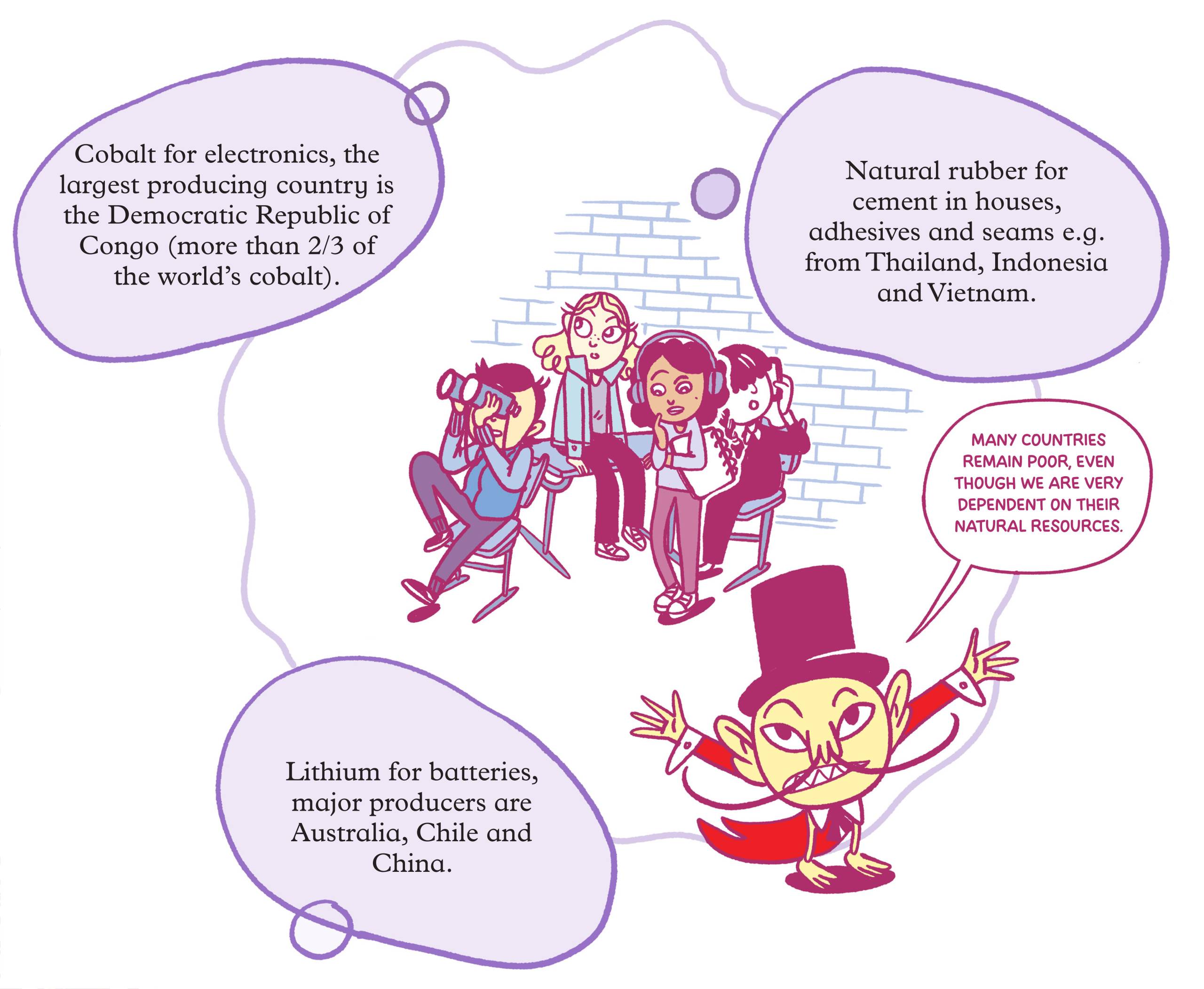
During the TURNS funding period, we transformed the original static PDF into a more dynamic and accessible SWAY presentation. We continued developing this material based on children’s ideas from the interventions. It will be published in both Finnish and English in 2026 and used in environmental education modules within teacher education at Tampere University’s Faculty of Education. It will also be openly available for use in schools. Collaboration with the Tampere network of Ecosocial Approach in Education is the key to the dissemination of research-based teaching material.
Empathy and art – discussions with UNESCO professor Mark Brennan
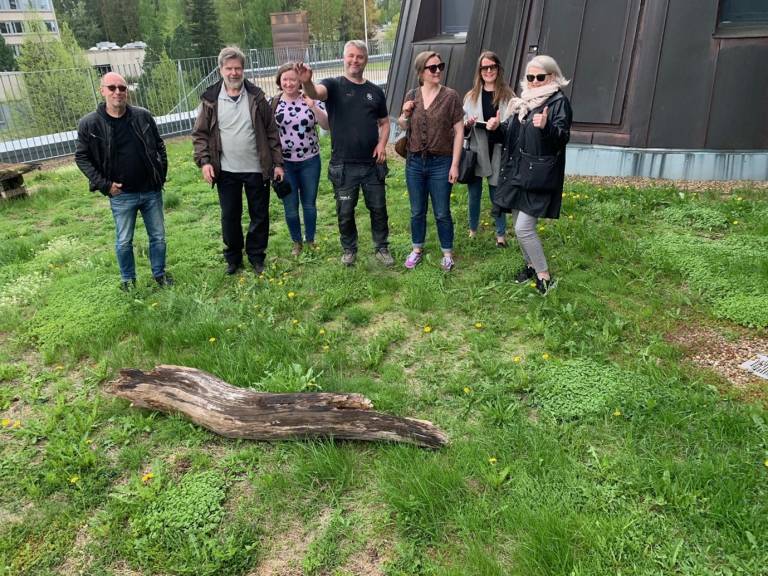
UNESCO Chair and Professor of Global Citizenship Education Mark Brennan (Pennsylvania State University) visited Tampere University in September. During his visit, we shared experiences, inspirations, and ideas related to empathy and art—particularly in the context of working with young people and climate justice.
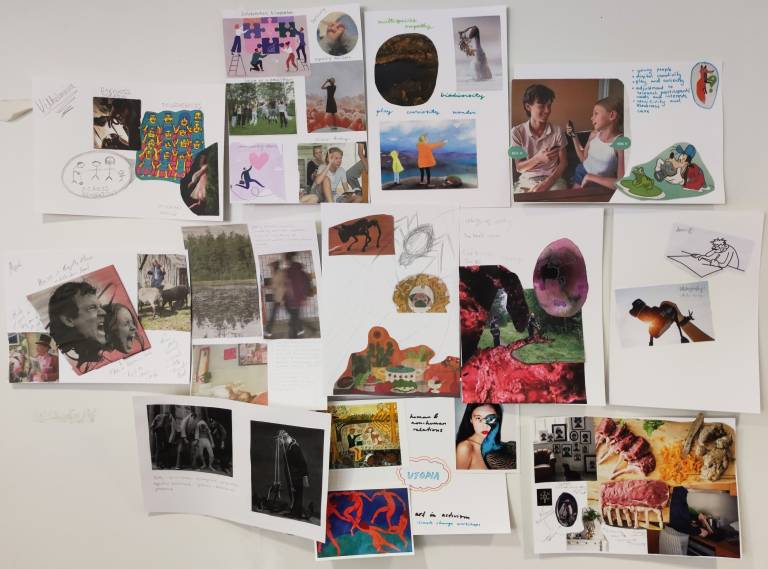
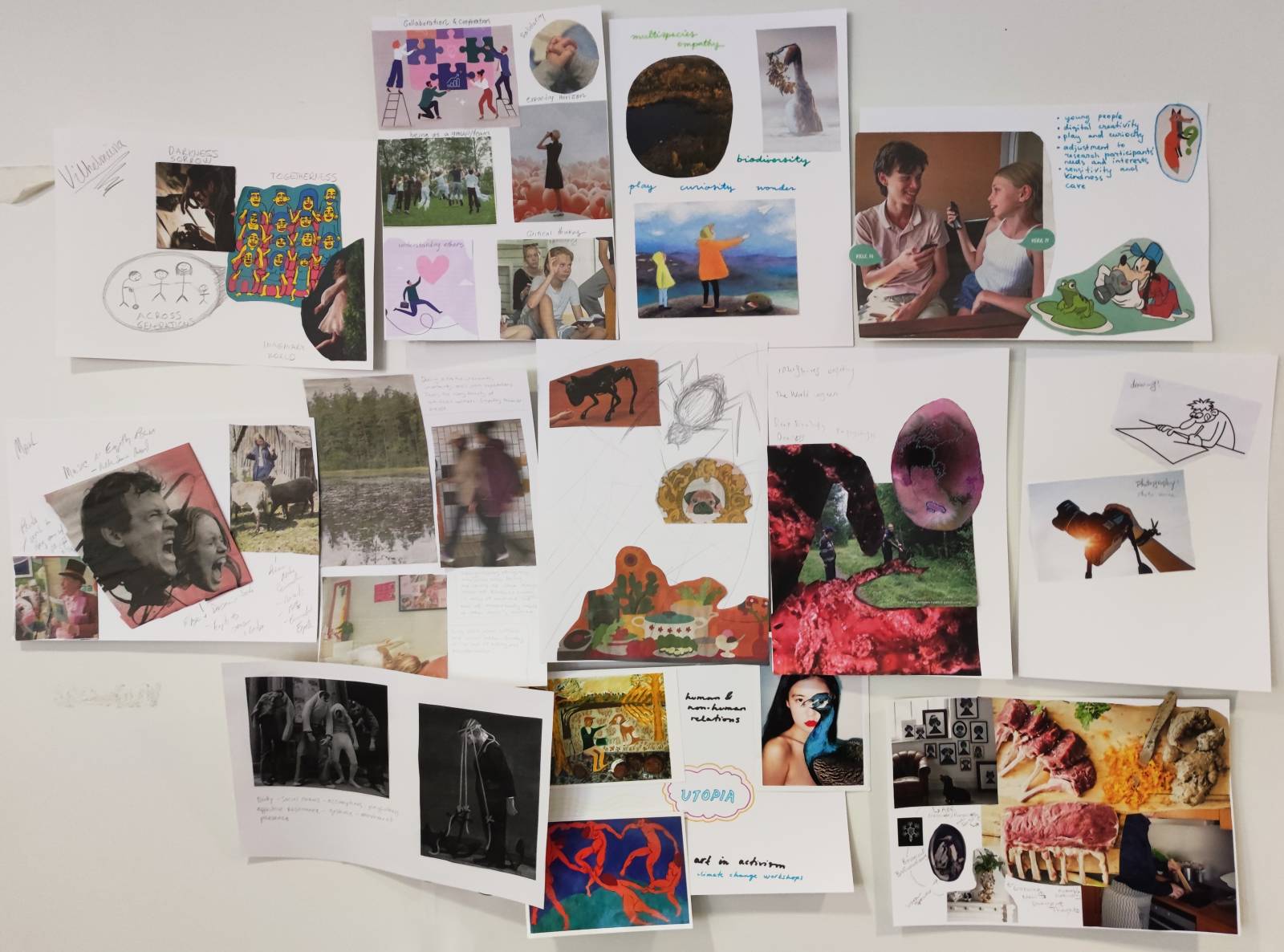
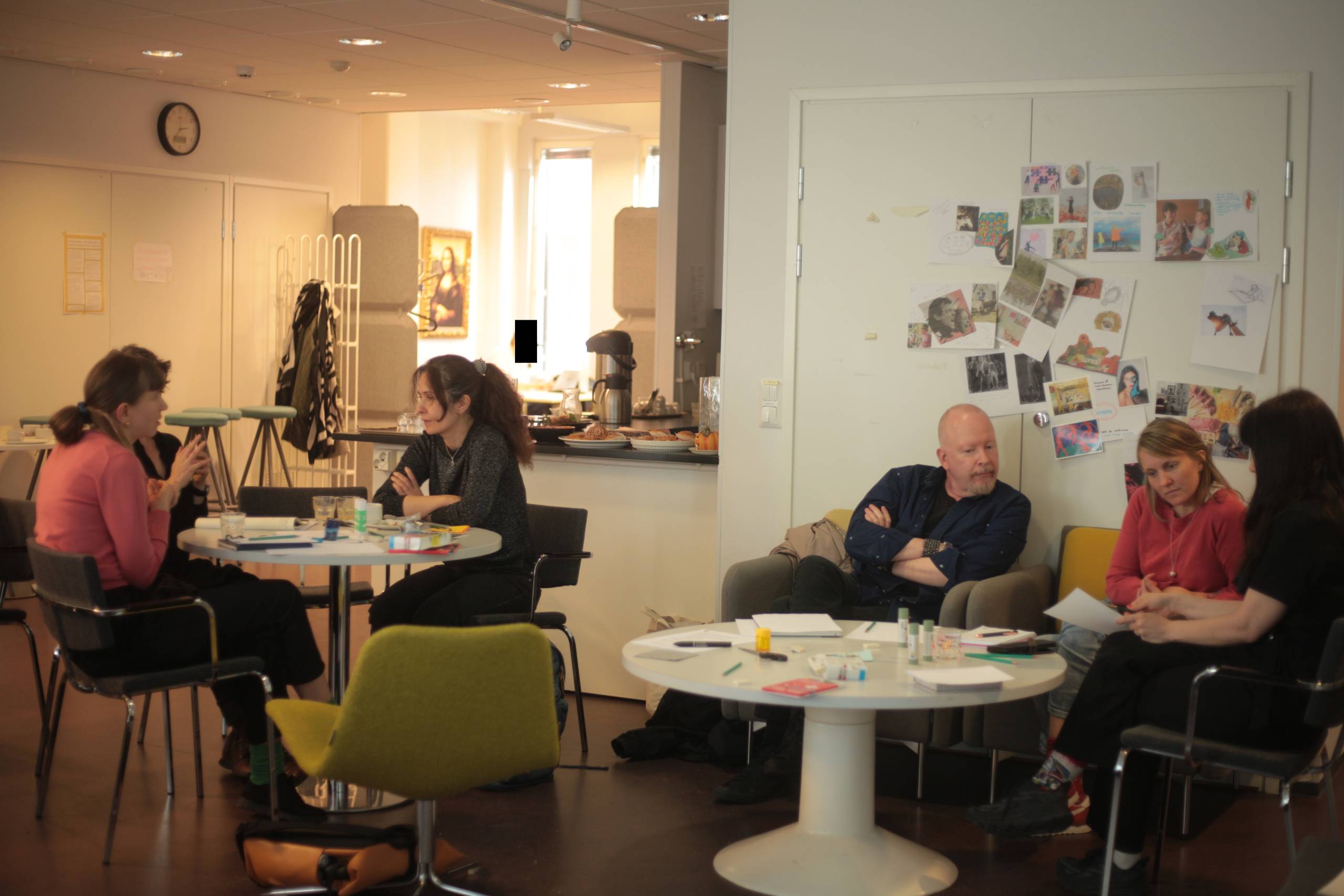
The main event of the week was a workshop for researchers titled “Empathy through Art – Testing the Limits.” It brought together 13 participants—researchers from various scientific fields and artists—to explore and experiment with arts-based methods. The workshop fostered dialogue around the possibilities and limitations of using art to cultivate empathy, especially in educational and climate-related contexts. The researchers’ immersion in play culminated in two drama performances and one comic presentation about empathy, each demonstrating diverse ways to express its significance. The session concluded with a reflective discussion, which revealed the multifaceted nature of empathy, its challenges in different situations, and the diversity of theoretical approaches to it.
Another key event was Mark Brennan’s open lecture, “Empathy, Youth Voice and Radical Engagement: Why it Matters,” on 25 September 2025. He spoke about the UNESCO Youth as Researchers program, in which young people are trained as co-researchers who then work within their own communities. He also described the Activating Social Empathy program, introduced in the Irish national curriculum, which he co-develops with researchers from the University of Galway and the youth organization Foróige Ireland.
Conclusion: Five Main Takeaways from HUMANE-CLIMATE and TURNS Projects
Teacher Education for Supporting Climate Education
Developing more empathic teaching methods for addressing climate mobilities and student experiences is essential. Teacher education should prioritize support for multicultural classroom settings, climate mobility knowledge, and the integration of arts-based methods.
Complexity of Empathy in Research and Communities
Researchers approached empathy from diverse and complex perspectives, asking:
How does digitalization support or hinder empathy in social relationships?
How can empathy be enabled, and what are its limits?
How does social empathy vary across different contexts?
The Role of Arts in Building Bridges – Empathy
The arts play a crucial role in storytelling, imagining empathy, and facilitating its activation. Key questions include:
Which artistic methods are suitable for each context, and for whom?
What kinds of art resonate with different individuals?
Potential of Art-Science Collaboration
Art-science collaboration holds significant potential for advancing climate justice education and empathy-based pedagogies. It enables interdisciplinary approaches that combine emotional engagement with analytical insight.
Early Engagement, Empathy Multiplication, and Lifelong Learning
The earlier children are given space and an active role in their communities, the more engaged they tend to be with social issues (Silke et al. 2020; Dolan 2022; Bernardi et al. 2024). Empathy grows in environments where it is nurtured—when children experience empathy, they are more likely to extend it to others.
Acknowledgements
TURNS-funded enrichment project: Strengthening the societal impact of climate mobilities education research. The findings shared in this initiative stem from research conducted in the HUMANE-CLIMATE project funded by the Research Council of Finland. Thank you to the participants of our research and our collaborators, as well as participants of our events.
Vilhelmiina Vainikka is a Postdoctoral research fellow at the Faculty of Education and Culture, Tampere University. She worked as a responsible investigator of school interventions in the HUMANE-CLIMATE (RCoF) research project 2023-2025. She is a human geographer and growingly interested in arts-based methods.
Mark Brennan is the UNESCO Chair on Global Citizenship Education for Sustainable Peace through Youth and Community Engagement and Professor of Leadership and Community Development at the Pennsylvania State University. His work has touched upon community building and leadership, youth engagement, global citizenship, youth as researchers, and empathy education.
HUMANE-CLIMATE research articles & music videos:
Kallio, K.P., Bowman, B., Vainikka, V., (2025) (Un)learning to live together in the climate-changed world: young people’s lived planetary citizenship. Youth and Globalization
Kallio, K.P., Bami, N. & Sulonen, M. (2025). A glaring shortage of climate mobility education: a comparative analysis of curricula and textbooks in Finnish and Greek schools. European Educational Research Journal.
Kallio, K.P., Vainikka, V. & Häkli, J. (2025). Unlearning through art: Developing decolonising and empathic pedagogies in climate mobilities education. Childhood, online-first.
Kallio, K.P., Häkli, J. & Härmä, K. (2023). Oikeus lähteä, oikeus jäädä, oikeus palata: Mitä ilmastokasvatuksen pitäisi kertoa muuttoliikkeestä? Terra 135(4), 179-197. Blogiteksti: Ilmastoliikkuvuuden iso kysymys: ketkä jäävät jumiin ja ketkä lähtevät liikkeelle?
Climate mobilities YouTube playlist (animated music video and two trailers)
Updated publication list of HUMANE-CLIMATE and SPECS research collective.
Other references
Berardi, M.K., Brennan, M., Dolan, P., White, A., Winters, D. (2024). Fostering Empathy for Well-Being Across the Life Span: Implications for Individuals and Communities and Suggestions to Increase Empathy. In: Walther, C.C. (eds) Handbook of Quality of Life and Social Change. International Handbooks of Quality-of-Life. Springer, Cham.
Dolan, P. (2022). Empathy, Social Support, and Community. The Intersection of Concepts in Achieving Caring Communities. In Brennan, M. A., Phillips, R., Walzer, N., Hales, B.D. (eds). Community Development for Times of Crisis. Routledge.
Ertimo, L., & Ahokoivu, M. (2021). Why does climate change? Investigate the causes with Erica and Sven. Shy Pony Press.
Ertimo, L. & Ahokoivu, M. (2021). Ihme ilmat! Lotta, Kasper ja luontokadon arvoitus. Into.
Ertimo, L. & Ahokoivu, M. (2023). Mikä mahti! Lotta ja Kasperi luonnon puolella. Into.
Nussbaum, M. (2012). Not for Profit: Why Democracy Needs the Humanities. Updated edition. Princeton, NJ: Princeton University Press.
Silke, C., Brady, B., Boylan, C., & Dolan, P. (2020). Empathy, Social Responsibility, and Civic Behavior Among Irish Adolescents: A Socio-Contextual Approach. The Journal of Early Adolescence, 41(7), 996-1019.