
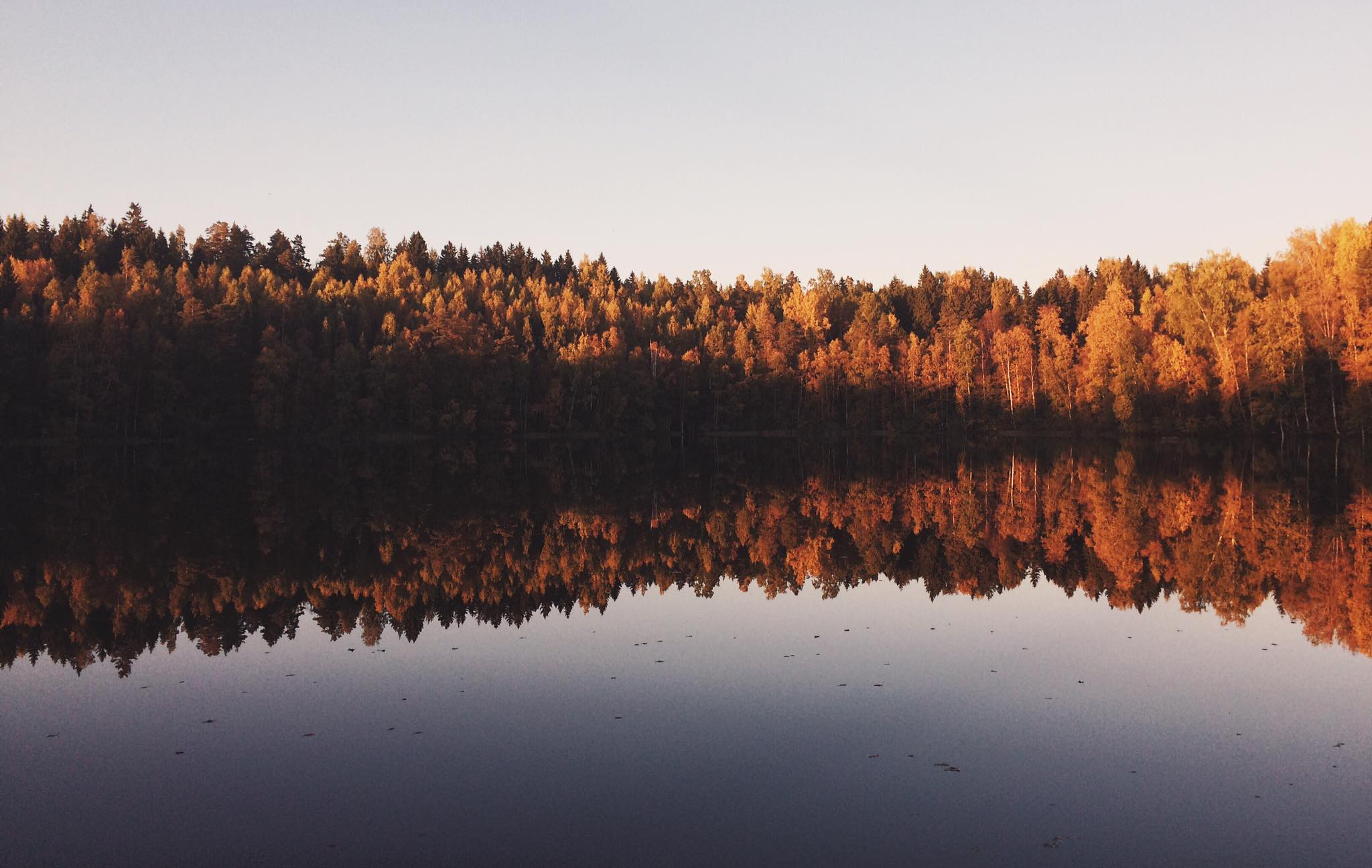
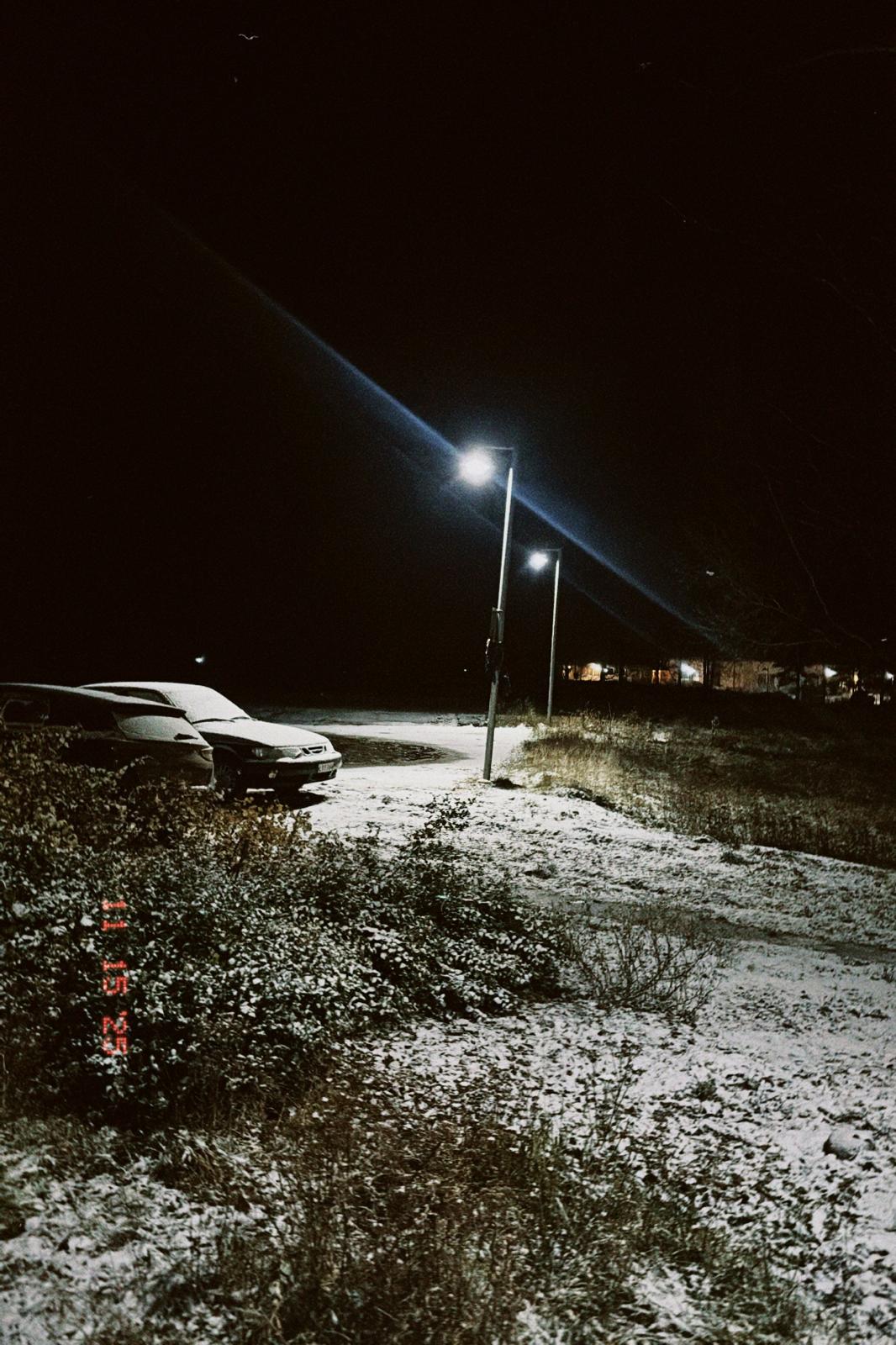
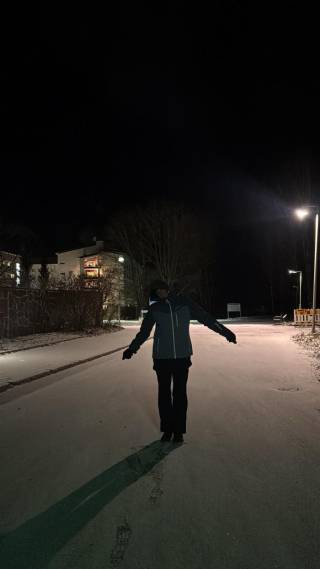
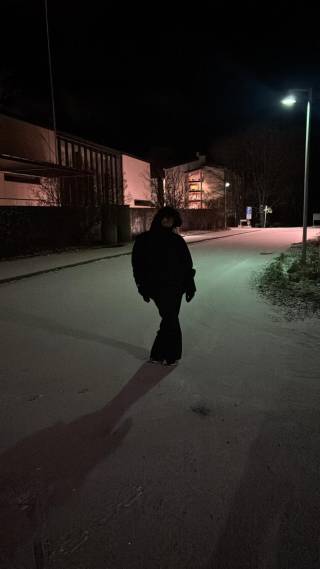
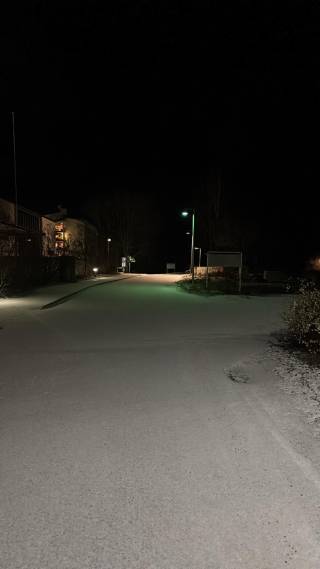
For this session, we decided to speak English throughout the entire meeting, staying faithful to our original language-practice goals. Walking for hours while talking gave us plenty of opportunities to practise spontaneous, natural English conversation. The snowy environment encouraged us to describe what we were seeing and feeling, which helped activate vocabulary related to weather, seasons, emotions and landscapes.
I noticed that my fluency improved because the conversation flowed continuously as we walked. We also told each other stories about winter in our home regions, which meant explaining cultural differences and personal experiences because I’m from the South of Spain so my weather is more warm than the weather of Paula’s city.
This meeting felt different from classroom-style learning because the snowy environment created a very relaxed and joyful mood. Speaking English while doing something fun made the language feel more natural and less forced. The priority was simply to communicate and share the excitement of the moment.
I realised that emotional experiences can make language learning easier. Since we were happy and fully present, the English came out more fluidly and spontaneously. It was also interesting to reflect on how weather influences culture, something we discussed while comparing Finland’s winter to the milder winters in Andalucía and Aragón.
Because the meeting was outdoors and we were walking through snow, we did not focus on French at all, even though it is part of our broader plan. The context was perfect for English but not ideal for switching languages or doing structured practice.
There were also moments when speaking clearly was harder due to the cold wind or laughing while playing with the snow. Still, none of this stopped the communication, it simply made it more informal.
Even though the setting was not academic, it allowed us to maintain English for a long period of time without interruptions. This is one of the core goals of our learning project.
The cultural component also appeared naturally when we talked about winter traditions, childhood memories and weather differences between our own cities.

Comments