
Tampere as a sustainable city
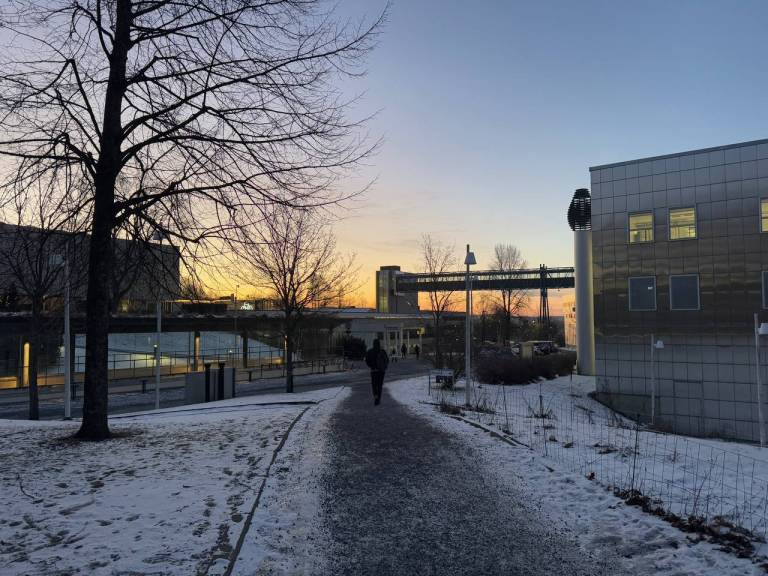
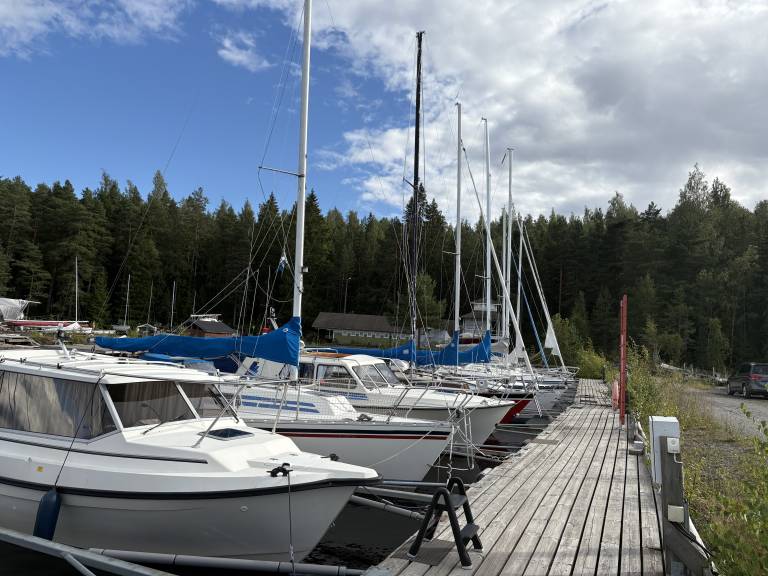
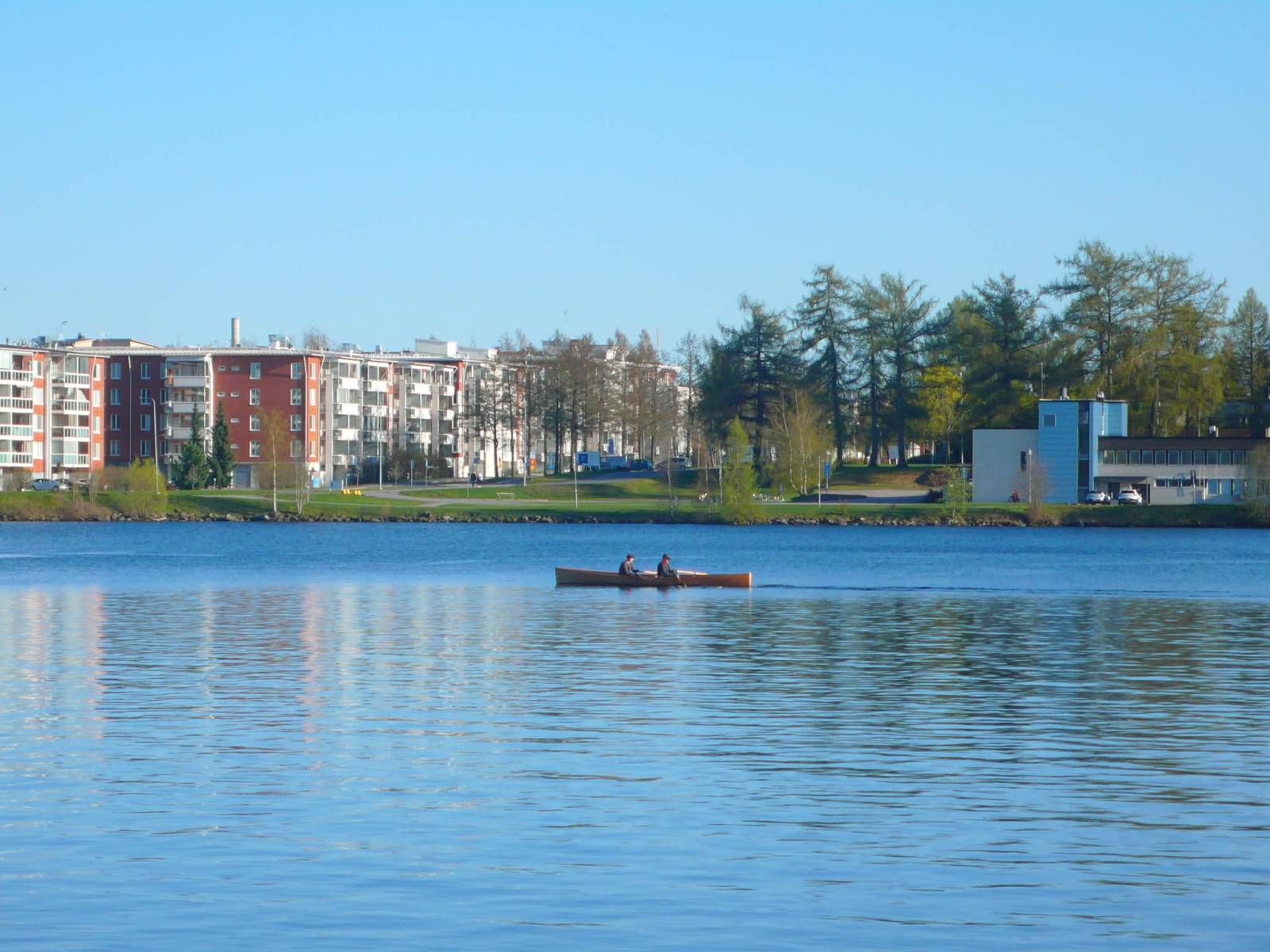
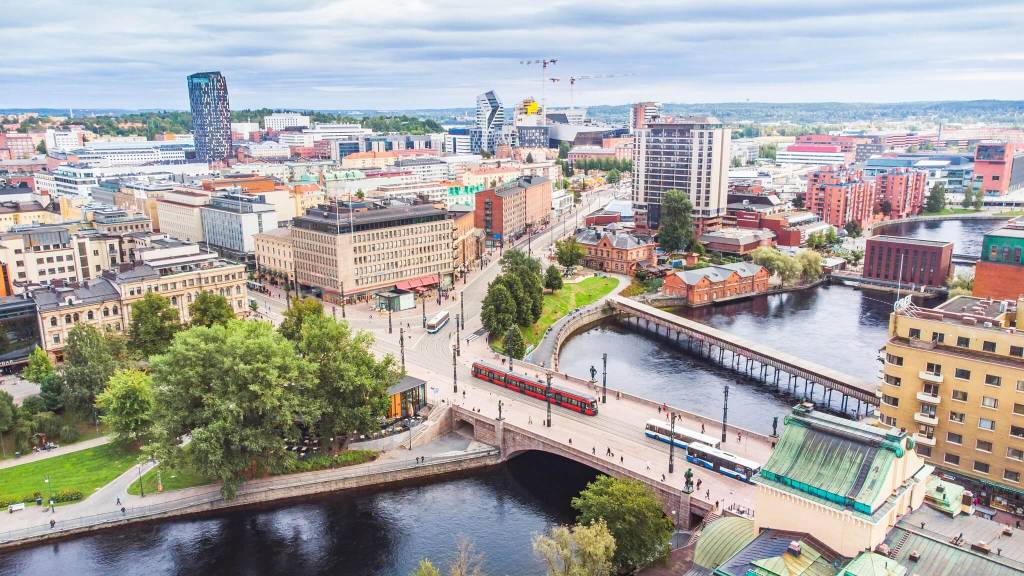
Tampere is often described as a sustainable city, but what makes it truly meaningful for me as a student is how visible sustainability is in daily life. It can be seen in walkable neighborhoods, the close relationship between nature and the built environment, and the thoughtful design of public spaces that prioritize people. For example, when I walk around the city center or along the lakes, I notice how easy it is to move without a car because here we have public transport like the tram and buses that connect different areas efficiently. This not only reduces emissions but also makes mobility more affordable and accessible for residents. At the same time, I love the fact that nature is always present. Lakes, forests and green spaces are parts of everyday life and easily accessible. I also appreciate that small designs, like benches by the water or well-lit pathways, make public spaces feel safe, welcoming and accessible for everyone, showing how social, environmental, and economic aspects of sustainability come together in practice.
Living what I learn
People often think of a sustainable city as a “green city”, but my program has helped me see it in a broader way. In the Sustainable Urban Development program at Tampere University, I study how cities work as complex systems where social, environmental and economic factors are all connected. The program brings together perspectives from social sciences, urban planning and environmental studies, which helps me understand urban challenges from different angles. What I find most valuable is that learning is not only theoretical – we work on real-life cases, collaborate in interdisciplinary teams and apply research methods to actual urban problems. This has changed how I understand what makes a city sustainable: it is not only about environmental solutions, but about creating cities that are inclusive, accessible, and support people’s everyday lives.
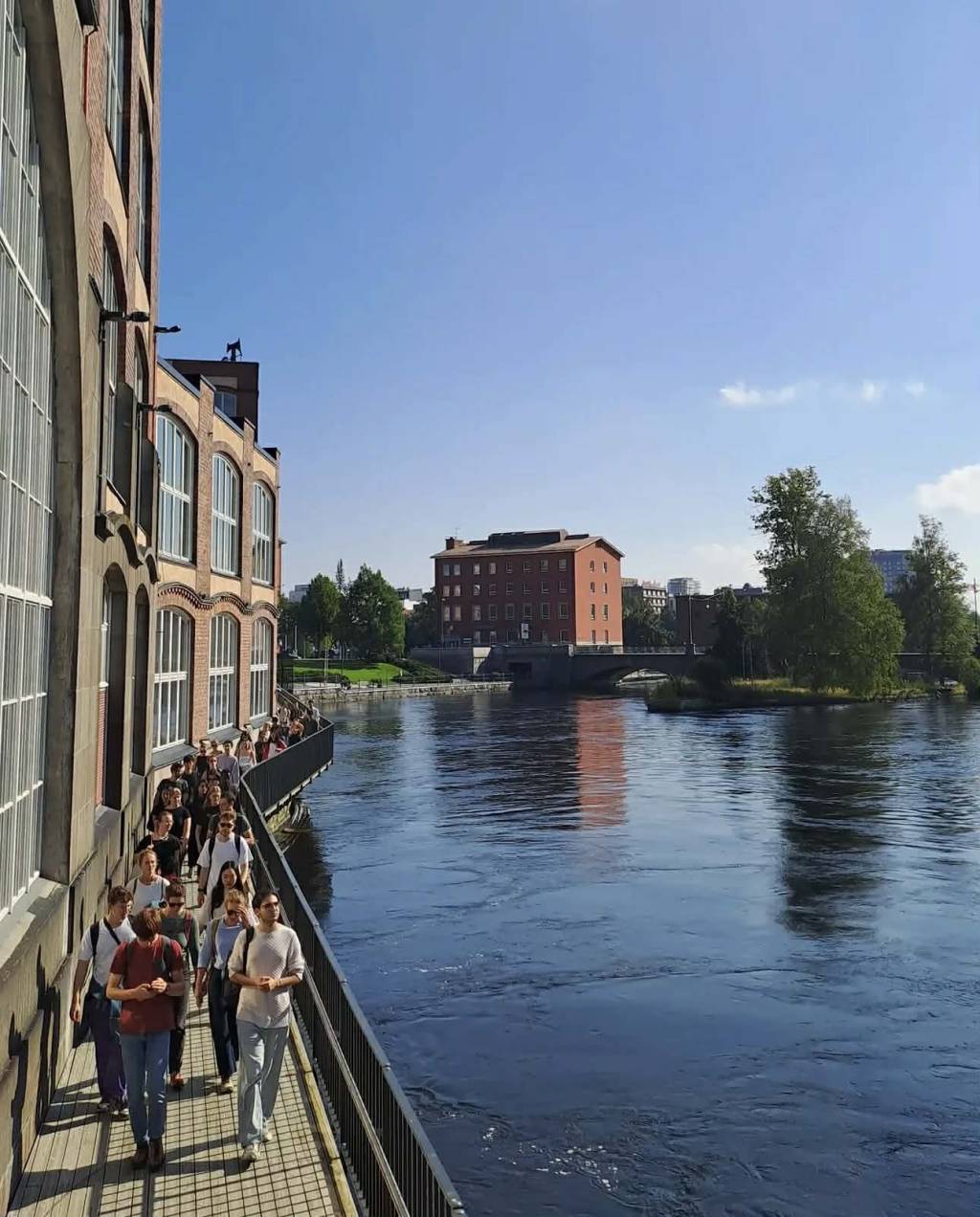
What makes my studying experience especially interesting is the combination of studying sustainability while being surrounded by it everyday. Tampere is not a perfect city, but it is constantly developing with sustainability in mind, from improving public transport and walkability to rethinking how public spaces are used. This makes my learning more practical and dynamic, because I don’t just study concepts in theory – I see how they are tested, implemented and sometimes challenged in real life. It also makes me reflect more critically: why do certain solutions work here? How could they be applied in different contexts like Vietnam? This constant interaction between what I learn and what I observe is what makes studying sustainable urban development in Tampere meaningful and inspiring.
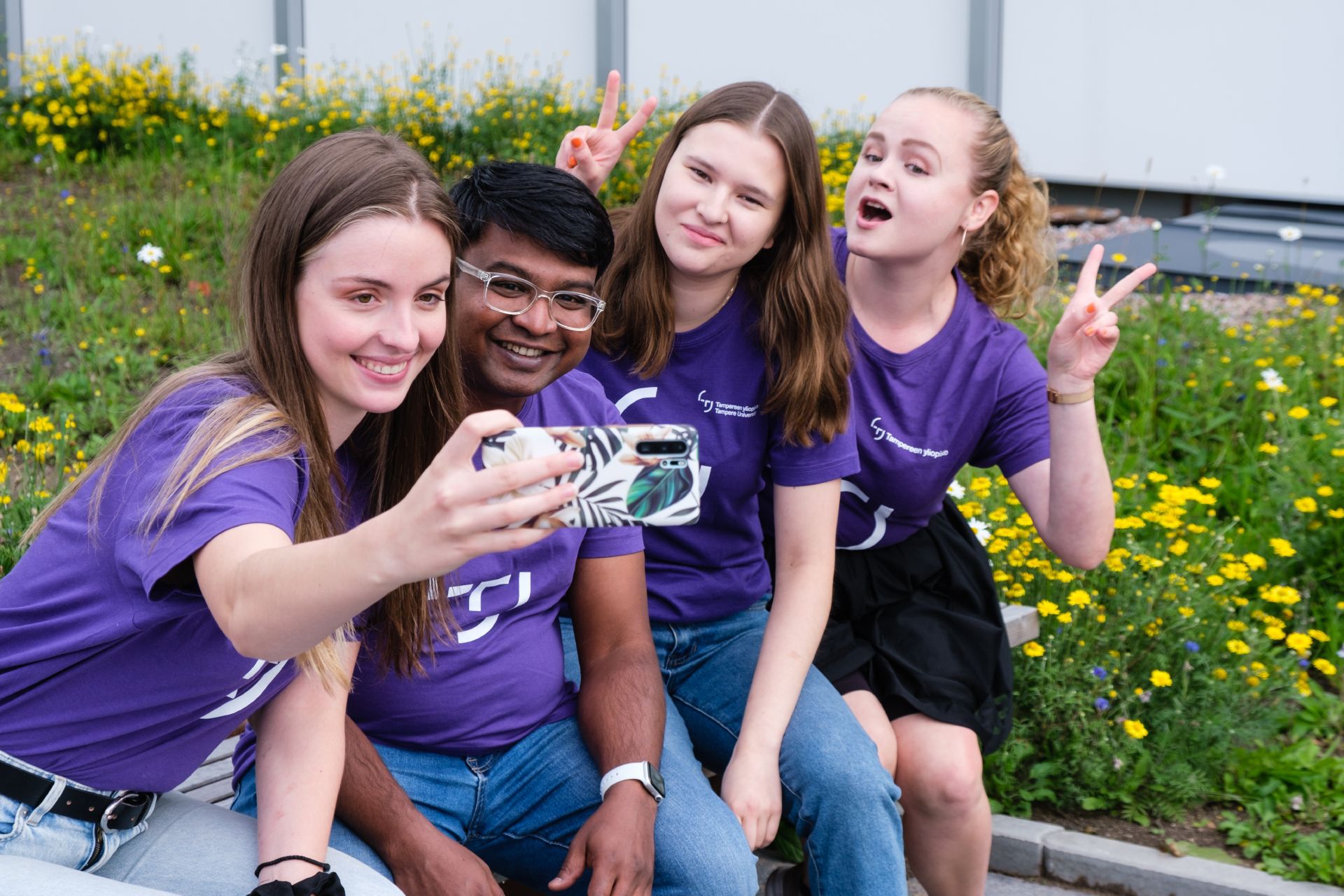
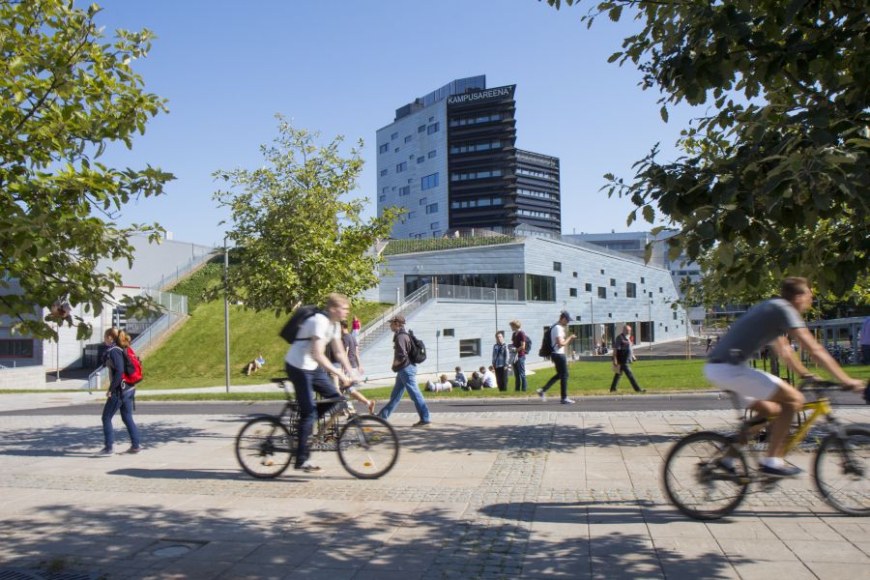
Another aspect that makes my experience unique is the environment where I learn – the university campus – is embedded with sustainability. At Tampere University, I can see this in a small but tangible way. For example, it is easy to sort waste with clearly labeled recycling bins on campus, which encourages responsible habits. I also notice how many buildings are designed to be energy-efficient, with large windows for natural light and spaces that feel open and functional. One of my favorite green spots is the green roof in Kampusareena, which is built not just for environmental purposes but also creates a space where students can sit, relax, and spend time together. Getting to campus is also convenient without a car, as students can take public transport or bike, which reflects how mobility is planned sustainably. These everyday experiences make sustainability feel practical and real. As a student studying sustainability, it means a lot to me to be in an environment where what I learn is actually reflected in how the university and campus work.
Understanding the cities beyond what we see
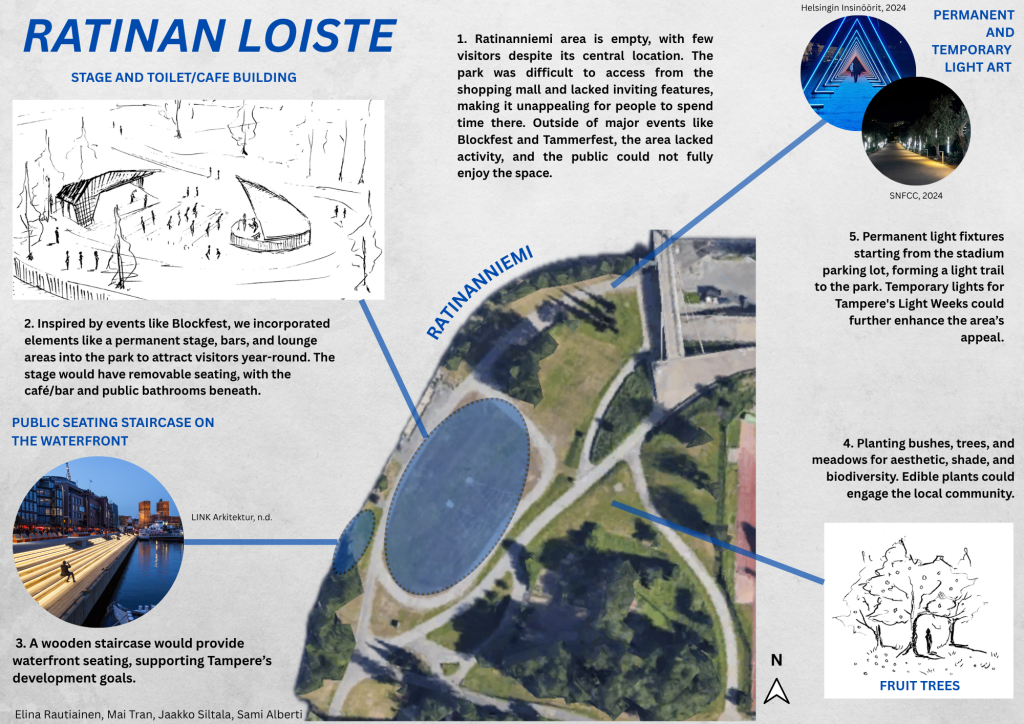
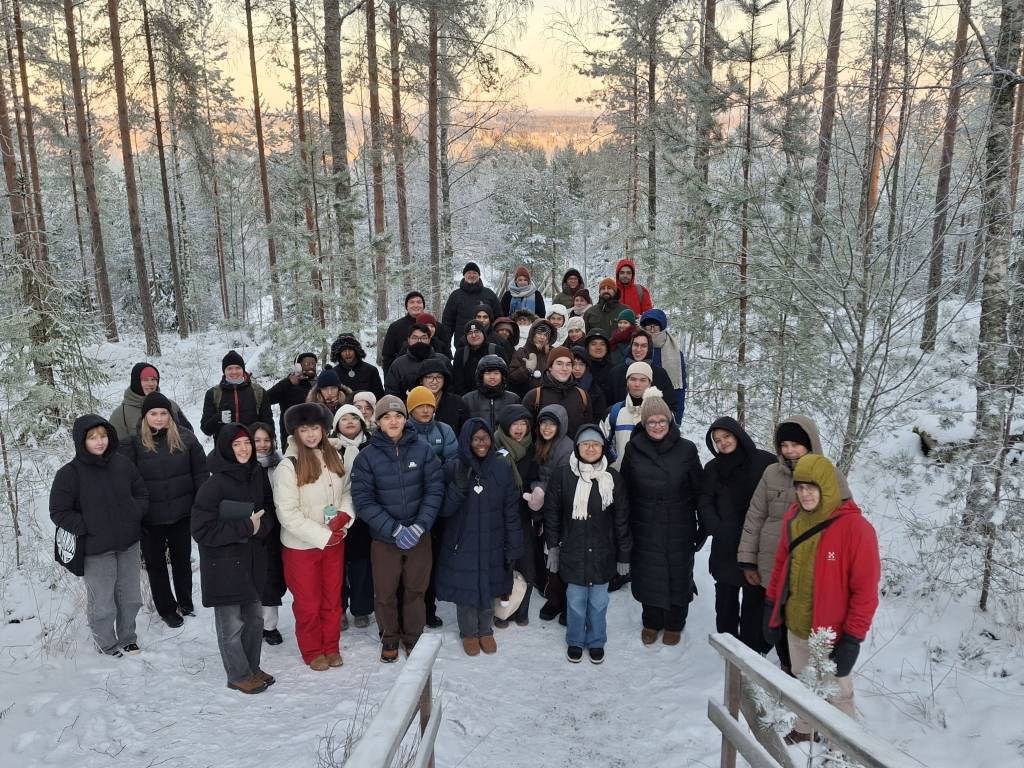
One of the most interesting parts of my studies so far has been the chane to engage deeply with the city through real-life projects. One of these is the Urban Lab Course, where we work on development projects in the Teivo–Mäkkylä area of Ylöjärvi. While Tampere in general and the area in specific offers many visible examples of sustainability, this course allows me to look beyond what can immediately be seen and understand the complexity behind it. Instead of only observing well-designed spaces, I learn to question how and why certain solutions are developed and applied, what challenges still exist and whose needs might be overlooked. Working in a real area in Tampere helps me realize that even in a sustainable city, there are still on-going issues and trade-offs. This experience has shifted my perspective from simply admiring sustainable design to critically understanding how cities are continuously improved.
A personal reflection on sustainability
Studying in Tampere has shown me that sustainability is not just about concepts or designs, but about understanding how they actually work in everyday life through observation and experience. For me, this journey has been both academic and personal. It has changed the way I pay attention to the city around me – not just what is there, but how and why it works in the way it does. I am still learning, but I have started to look at cities with more curiosity and with sustainable awareness than before
In the future, I hope to bring these insights into different contexts, especially in rapidly developing cities like those in Vietnam. While every city is different, the core idea remains the same: cities should be designed not only for growth, but for people, for the environment, and for a more sustainable future.
About the author
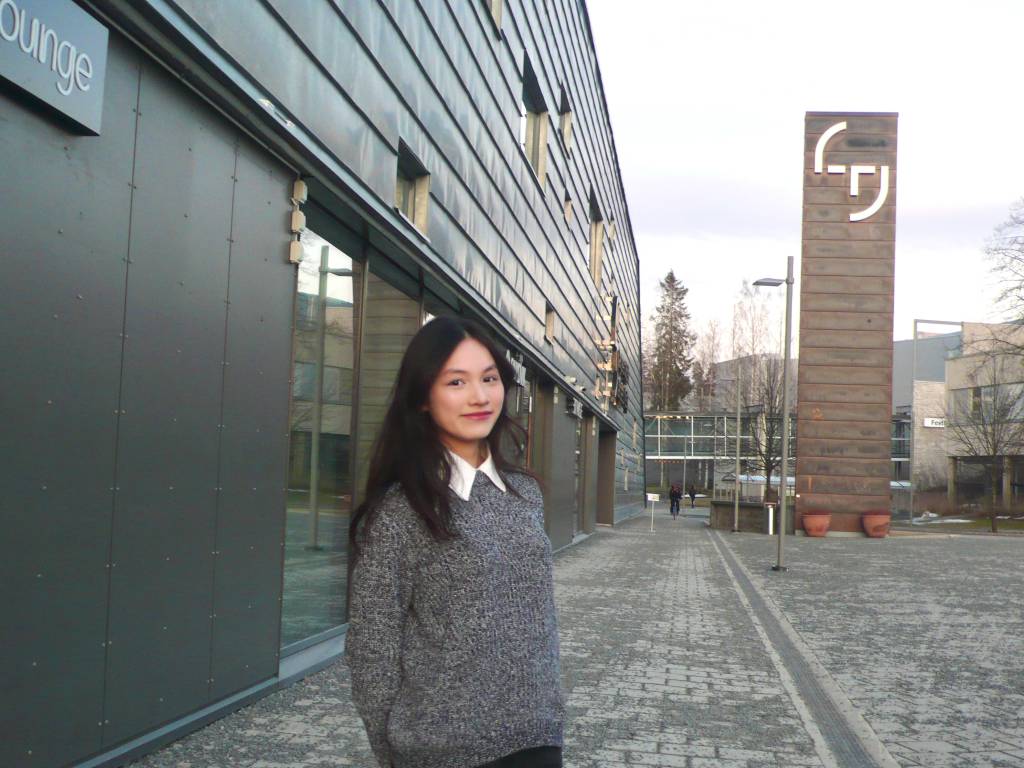 Hi, my name is Mai, and I’m a second-year student of the Sustainable Urban Development (SUD) program at Tampere University. Studying in Finland has been one of the greatest experiences for me, and I have learned a lot about peacefulness, patience and appreciating the simple joys in this happy country. In my free time I love playing piano, spending time with friends, or chilling at the lake.