
The start of the internship was rather challenging. During the Gen Z movement clashes, the REDD+ office was severely damaged by fire – this happened on only the second day of my internship. However, Nepalese society showed remarkable resilience, and many things returned to normal within just a few days.
In the first couple of weeks, I reviewed ongoing and completed REDD+ projects as well as forestry legislation in Nepal. After building this foundational understanding, I had the opportunity to go to the field and see for myself what is happening in the forests of the Tarai region. The project is currently active in 13 districts within the TAL (Terai Arc Landscape) area. The main goal is to prevent deforestation and forest degradation, while also recognizing social values and improving the overall productivity and profitability of forestry for all stakeholders, including the region’s Indigenous communities.
Once this phase is completed, the same approach is intended to be expanded nationwide. Funding for the project primarily comes from the global carbon market, but the program also aims to support user groups in developing value-added forest products.
It has been a fantastic opportunity to gain more knowledge about international forestry work. In Finland, my job would be more related to fieldwork in forests and the management of boreal forest ecosystems. Forestry in Nepal is far more complex because the forests, landscapes, and communities are so diverse. In Finland, forestry is highly regulated by national-level laws, whereas in Nepal the regional differences are significant.
Most forestry bachelor graduates in Finland work in silviculture-related projects, but Nepal’s forestry sector is more complex, involving a wider range of activities—for example, carbon trading and forest-based products. Forest ownership also differs greatly between the two countries, which affects how forests are actually used by local groups. In Finland, most forests are privately owned, although national regulations and forest certification systems still strongly guide their management.
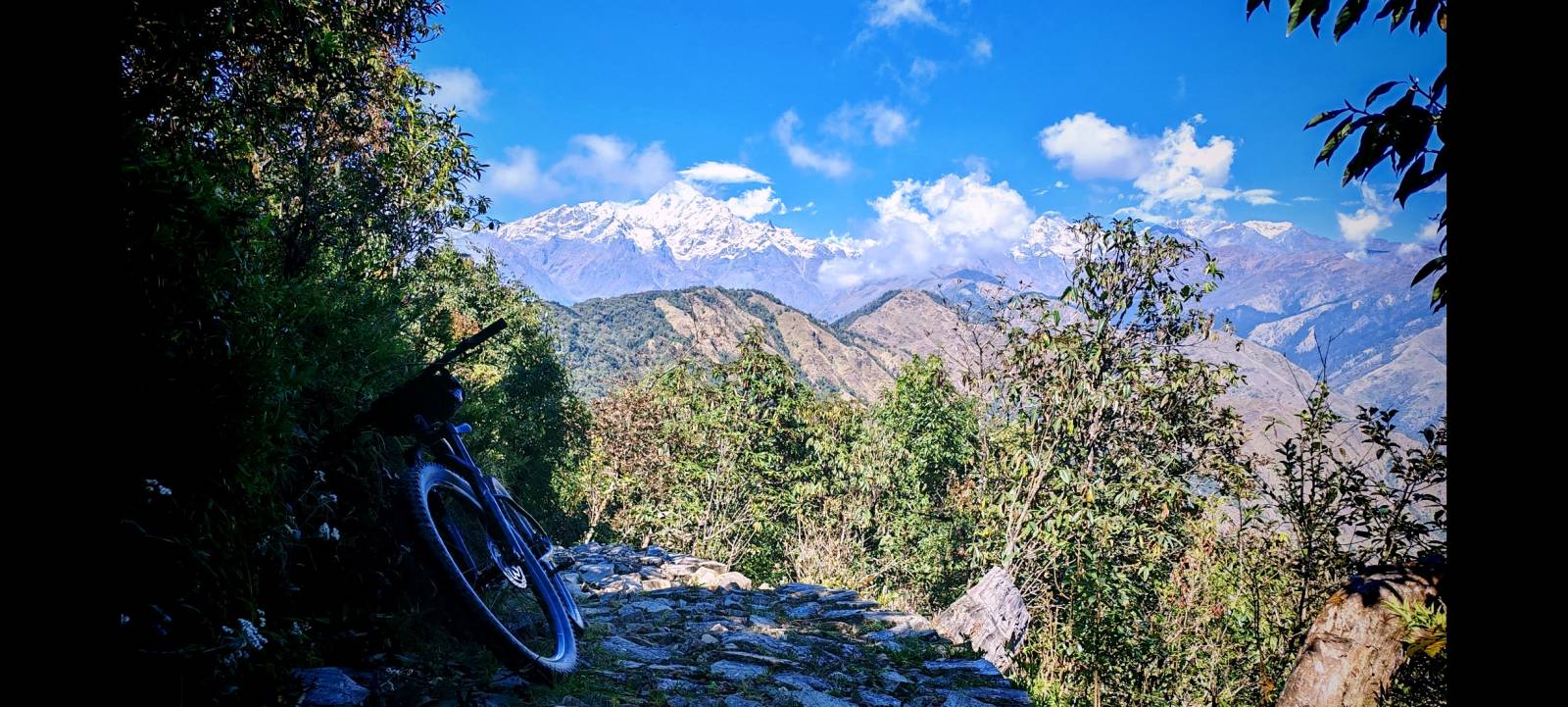
These projects gave me an amazing opportunity to explore less touristy parts of the country by mountain bike. I usually start my day with a morning ride around whichever place I am staying at the moment, sometimes stopping at a local outdoor gym to wake up both my body and mind. The mountainous terrain is excellent for mountain biking, and these rides also serve as my way of diving into the local cultures.
As a true professional, I also tend to “work” during my free time, since nature is my passion. I enjoy observing forest-related activities and thinking about possible solutions to the challenges I encounter in my work. My rides also take me into Nepal’s culinary world, as I often stop at local restaurants to try different regional dishes.
Comments