
 School
My Practical Training
I completed my internship in a small Finnish home school in Fuengirola. The school had about 20 students from primary level to upper secondary level, all studying in the same classroom. Each student followed the Finnish curriculum but worked independently at their own pace.
The classroom was small, and everything happened in the same space — lessons, meals, and sometimes even break time on rainy days. Next to our classroom there was a kindergarten, which often made the environment quite noisy. Teaching required flexibility, patience, and strong organizational skills.
The school day lasted only four hours, but it was intensive and required full concentration. Working in a multi-age classroom strengthened my pedagogical skills and ability to differentiate instruction.
My Spare Time in Spain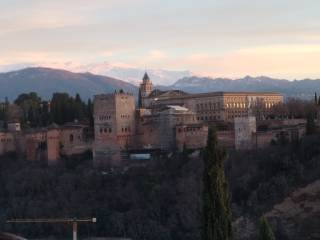
During my free time, I explored different parts of Andalusia and got to know the local culture beyond Fuengirola. I visited Granada for a weekend trip, which was one of the highlights of my stay. Walking through the historic streets and experiencing the atmosphere of the city gave me a deeper understanding of Spain’s rich cultural heritage.
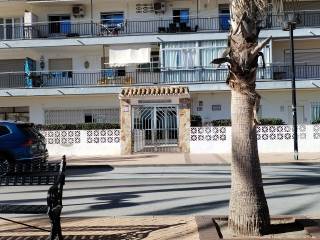
I also explored Benalmádena Pueblo and Málaga, both offering different perspectives of Spanish life. Benalmádena Pueblo impressed me with its traditional white houses and quiet village atmosphere, while Málaga felt more vibrant and urban. In addition, I visited various tourist attractions around the area and enjoyed discovering new places.
An important part of my experience was spending time with my colleagues and with my Spanish friend. Through these social interactions, I was able to experience everyday Spanish culture more authentically. Conversations, shared meals, and informal gatherings helped me understand the social nature of Spanish culture, where relationships and community play a central role.
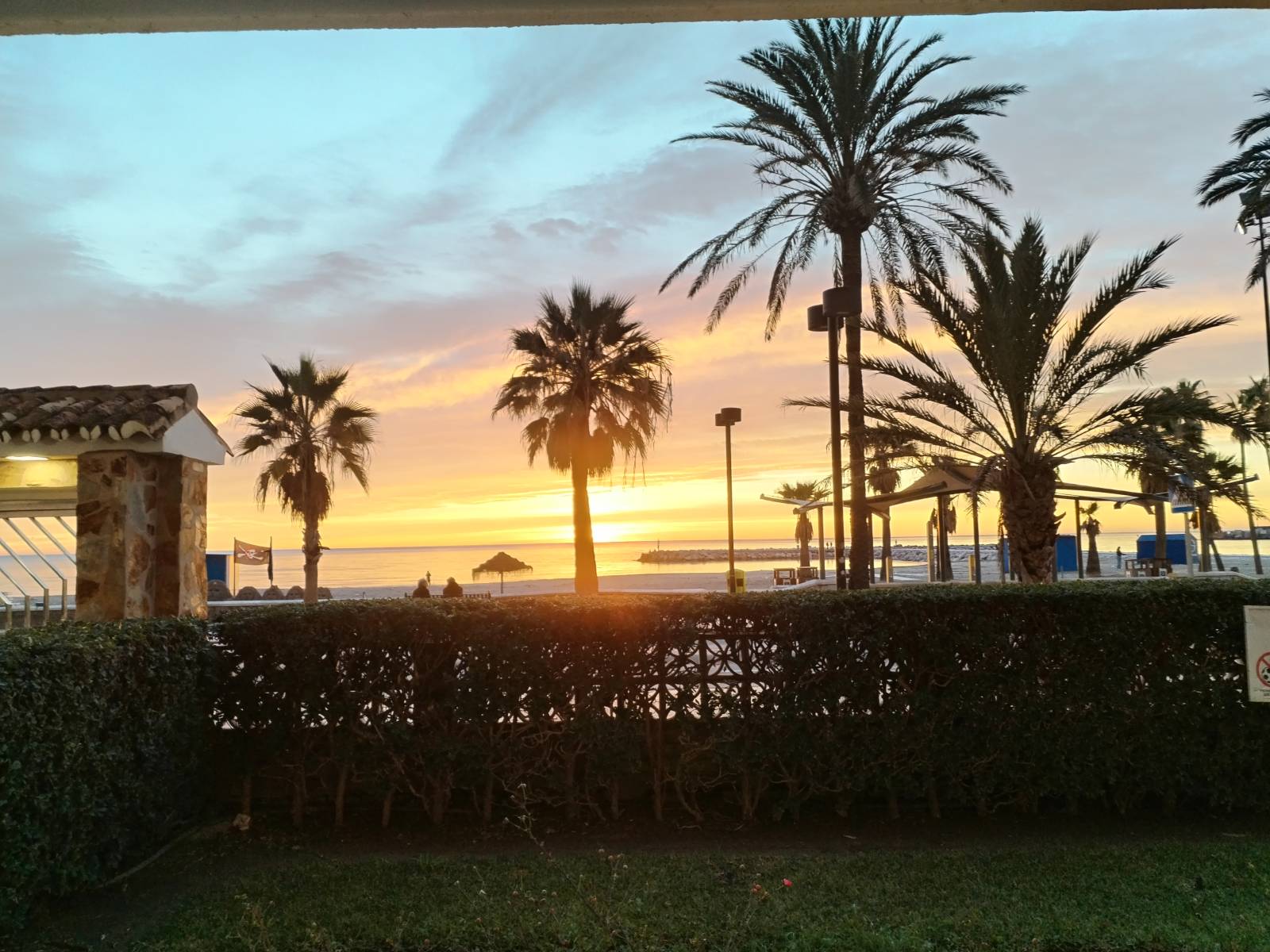
Even though my internship took place during winter and beach life was quieter, the coastal environment still created a unique atmosphere. Overall, my spare time experiences complemented my professional learning and made my stay in Spain meaningful and enriching
Comparing Spain and Finland
Working in Spain made me reflect deeply on differences between Spanish and Finnish culture.
In Finland, schools are typically structured by age groups, and classrooms are usually quiet and highly organized. In Spain, or at least in this Finnish home school context, flexibility and adaptability were essential. The environment was more dynamic, and unpredictability — for example due to weather conditions — was part of everyday life.
Another difference relates to daily rhythm. Finnish culture values punctuality and structured schedules, whereas Spanish culture often follows a slower and later rhythm. For example, storm warnings in Spain can lead to school closures and remote work, while in Finland schools usually remain open even in extreme winter conditions.
This experience helped me appreciate both cultures. I learned that educational systems and working cultures are shaped by climate, history, and social norms. Neither system is better — they are simply different
Comments