Finland keeps ranking as the happiest country in the world, and every time it happens, we Finns exchange confused glances. Happy? Us? The people who consider “not bad” a glowing compliment?
But I think the world is measuring something we don’t have a word for. It’s not happiness in the American sense, not optimism, not smiling at strangers, not the pursuit of more. It’s something closer to the Greek concept of ethos: the spirit of a place that shapes how its people live and think.
The rhythm we didn’t choose
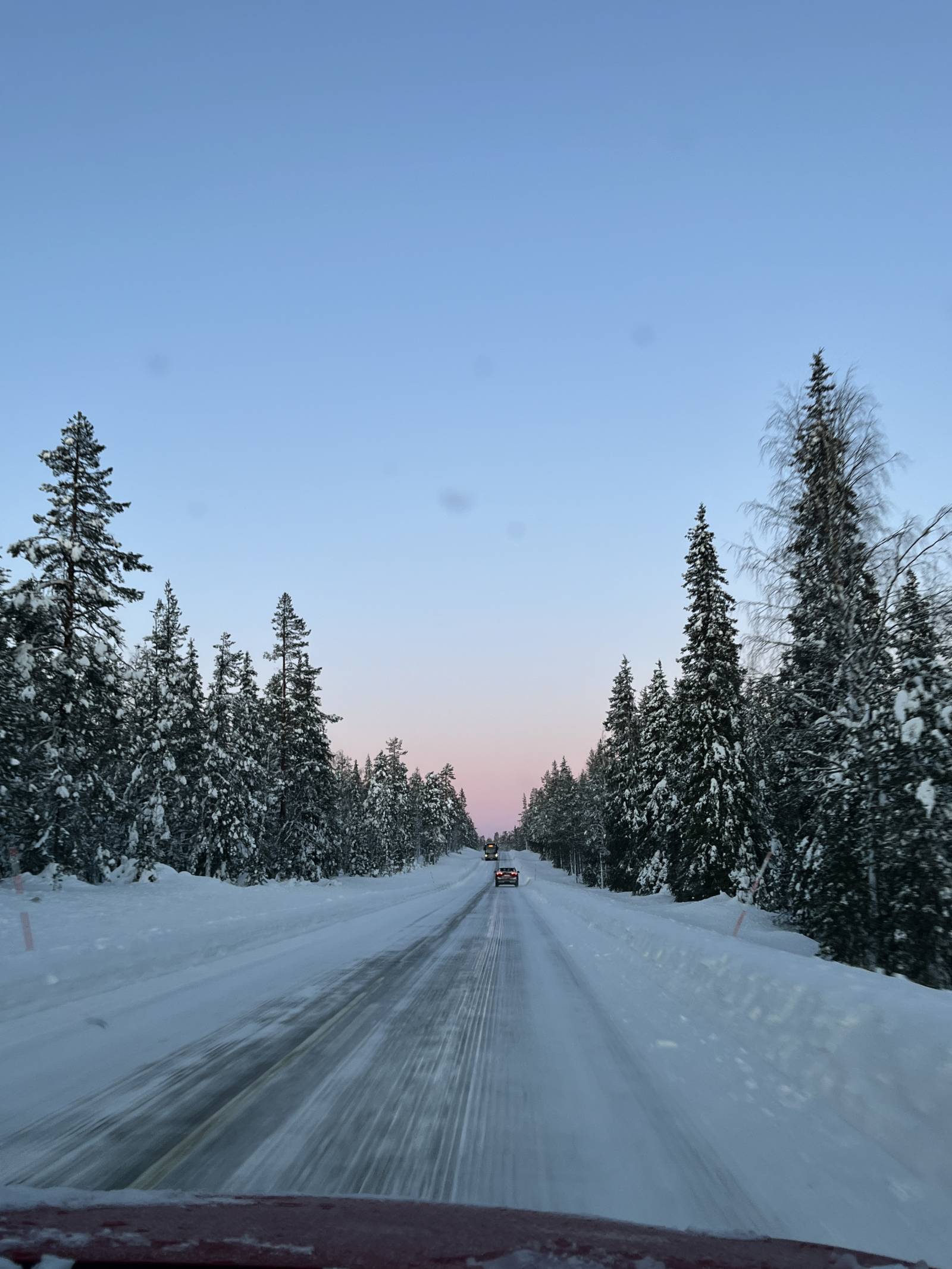
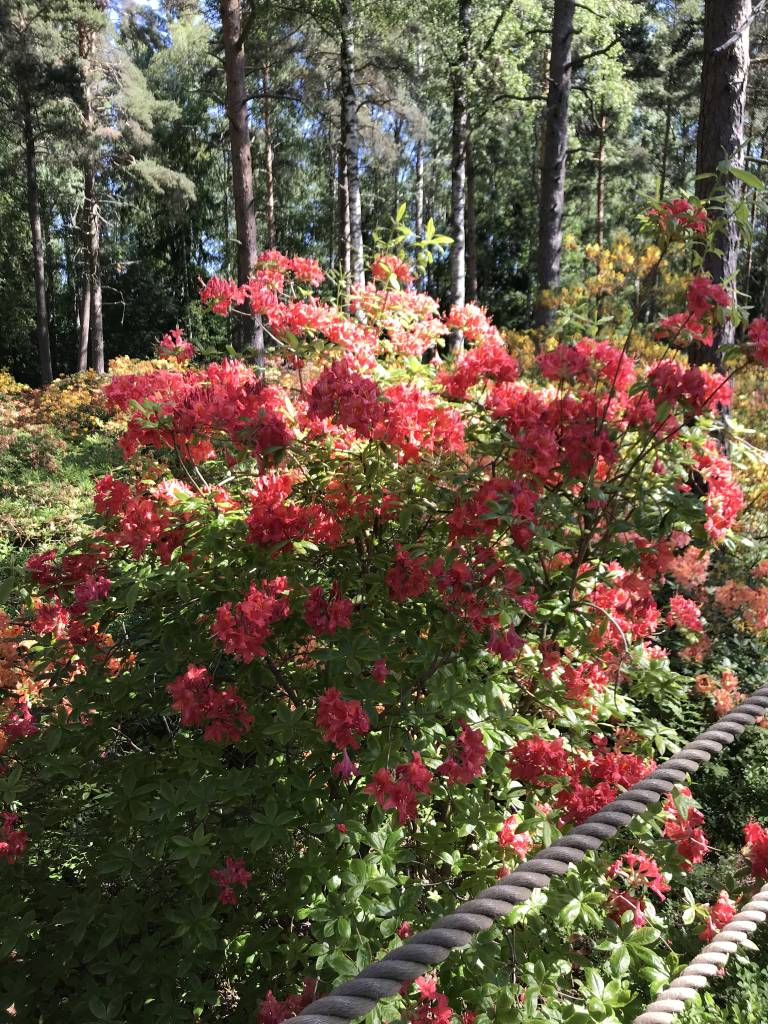
Four seasons arrive without asking permission. The winter darkness doesn’t negotiate. The summer’s endless light doesn’t care about your sleep schedule.
This creates a kind of humility that seeps into everything. We don’t expect constant peaks because we know in our bones that the season will change. When a Finn says “ihan ok,” it’s not pessimism. It’s an acknowledgment that life moves in cycles, and this moment is exactly what it is. Not more, not less.
Perhaps this is why the happiness surveys catch something real. We’re not chasing a permanent high. We’ve made peace with the rhythm.
Scarcity as teacher
There’s something else embedded in our ethos: the understanding that limited options can be a gift.
In a world obsessed with infinite choice, Finland offers constraints. Small cities. Long distances. Fewer people. Less noise. At first glance, this looks like deprivation. But constraints have a strange power, they teach you to notice what’s actually there.
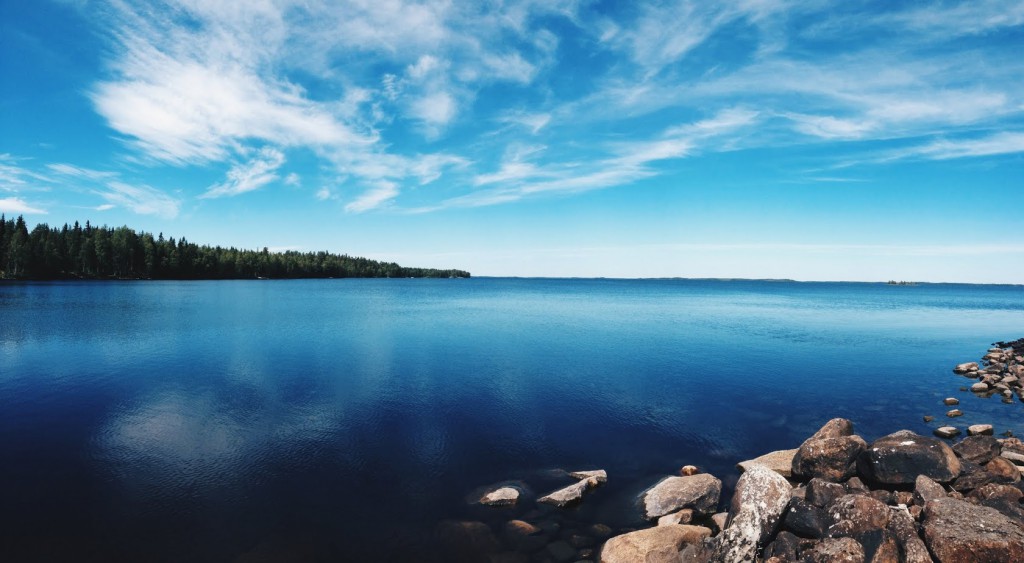
When you can’t escape to endless entertainment, you learn to find meaning in a frozen lake. When your options are limited, you stop asking “what else could I be doing?” and start asking “what is this moment offering me?”
I notice this most clearly when I’m in Lapland, watching the northern lights fold across the sky. Or at the summer cottage, swimming in water so still it feels like entering another world. These moments pull me back to childhood – to simple joys that don’t require anything except presence.
Even in Finland, even in our small cities, the pressure of performance culture creeps in. The endless doing, optimizing, achieving. But nature is always there, fifteen minutes away, ready to remind us that we are not the center of anything.
The accidental health
Here’s what fascinates me: we’ve built health into our culture without trying to.
The sauna isn’t a wellness trend for us, it’s just what you do. My grandmother didn’t know about heat shock proteins or cardiovascular benefits. She just knew that after sauna, something heavy had lifted. The science now confirms what Finns have practiced for centuries: the heat heals in ways we’re only beginning to understand.
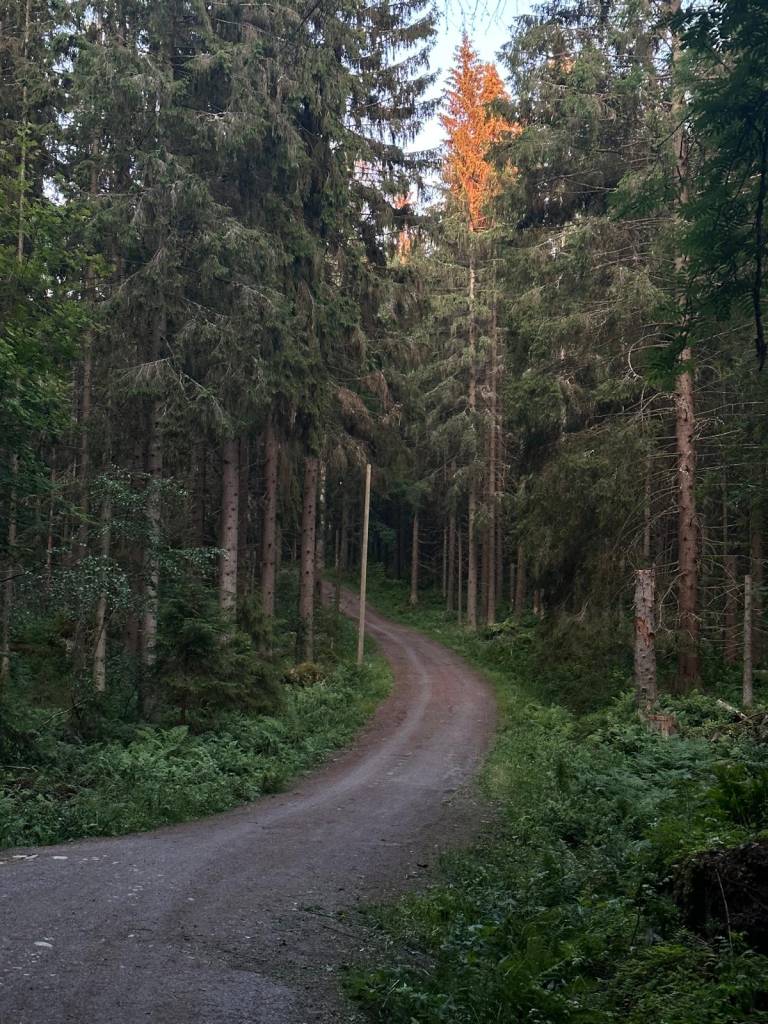
The same goes for our forests. We don’t practice “forest bathing” as a mindfulness technique imported from Japan. We just walk among the trees because that’s where peace lives. The clean air, the silence that isn’t empty, the way your nervous system settles without any effort, these aren’t lifestyle choices. They’re inheritance.
And the cold. Winter swimming, rolling in snow after sauna, the shock of February air in your lungs. It sounds like punishment, but there’s something in the contrast: heat and cold, darkness and light, effort and rest, that teaches your body resilience. Not through force, but through rhythm.
The ethos beneath the rankings
So when the world calls us happy, maybe what they’re measuring is this: a people who have learned to live with their environment rather than against it. A culture where “enough” isn’t failure. A place where the constraints of nature have become a quiet teacher.
We don’t feel happy in the way the word usually implies. But there’s a steadiness underneath, something like trust in the cycle. The dark winter will end and through it all, the sauna will be warm, the forest will be waiting, and “not bad” will mean exactly what it means: this is life, and it’s enough.
AI disclosure: I used AI (Claude) as a writing partner in creating this post. The ideas, perspectives, and personal experiences are my own. I shared my thoughts on Finnish ethos, happiness paradox, and my relationship with nature through conversation. The AI helped me complete my unfinished sentences, shape my scattered thoughts into coherent paragraphs, and polish the language into clearer English. The reflection is mine.
Comments