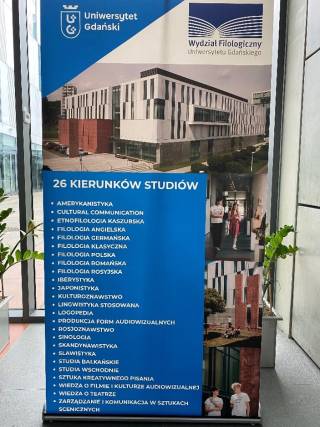
On 8-9 September 2026, I participated in the 4th International Conference on Early Language Learning and Multilingualism (ELLM2026) at the University of Gdańsk, Poland. The conference brought together researchers and practitioners interested in multilingual education, language development, and language learning in childhood. Hosted by the Department of Applied Linguistics, the Department of Pedagogy, and the Department of English and American Studies, the event provided an excellent forum for exchanging ideas and discussing current research on multilingualism.
During the conference, I presented a paper entitled Navigating Third-Generation Heritage Language Across Borders in Early Trilingual Childhood. My presentation focused on a case study of a young child growing up with three languages, Russian, Finnish, and Swedish, in a transnational family with Finnish roots living in Sweden. The study examined language development between the ages of 0;5 and 3;3, paying particular attention to the vulnerability of Russian as a third-generation heritage language. I discussed how family language policy influences language maintenance and how everyday linguistic practices shape heritage language development during early childhood. The presentation also highlighted the complex relationship between multilingual upbringing, language choice, and intergenerational language transmission.
One of the conference highlights was the keynote lecture by Prof. Mila Schwartz, Children as Agents in Multilingual Classrooms: Rethinking Learning, Participation and Belonging. The presentation emphasized children’s active role in shaping multilingual environments and offered thought-provoking perspectives on participation and agency. I also attended several inspiring presentations on tools for multilingual language education as well as approaches to developing plurilingual awareness through art and play. These discussions resonated strongly with my own research interests, particularly multilingualism, heritage languages, family language policy, linguistic and cultural identity, and early language acquisition.
Across many sessions, a recurring theme was the importance of recognizing children not merely as language learners but as active participants who influence language practices within families, schools, and communities. Discussions on child agency, language socialization, and linguistic creativity offered valuable insights for future research.
The conference provided excellent opportunities for networking and collaboration. I participated in workshop sessions and had productive discussions with colleagues from different countries. These conversations have already led to plans for possible collaborative publications, including contributions to special issues focusing on multilingual education and family language policy in a changing world, as well as potential cooperation with the journal Glottodidactica.
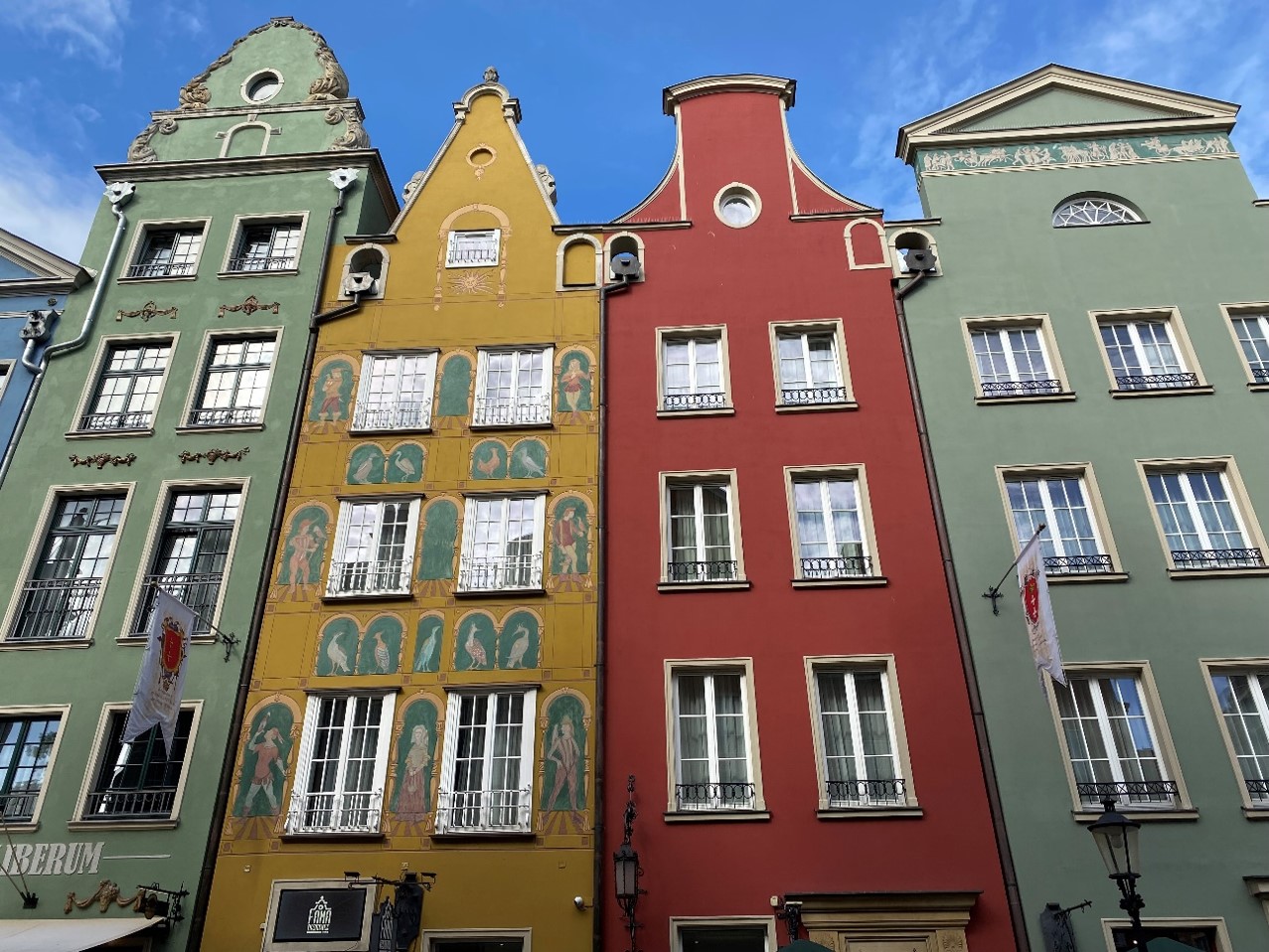
Participating in ELLM2026 was both professionally rewarding and personally inspiring. Beyond the academic programme, I also enjoyed being in Poland and hearing the Polish language in its natural environment. As a native speaker of Russian, I find it particularly interesting to explore the similarities and differences between Slavic languages and cultures.
The conference reaffirmed the importance of interdisciplinary dialogue in multilingualism research and provided many new ideas for future work on heritage language acquisition, family language policy, and children’s multilingual development.