



My placement was at Jürgenson Family Health Centre in Tallinn. I worked with a team of doctors, nurses, and midwives to provide care for families from prenatal check-ups to child health visits. My daily tasks included taking blood samples, measuring blood pressure, giving vaccinations, doing wound care, and removing sutures. The clinical side felt familiar because Estonia adheres to European nursing standards, so the skills I had learned in Finland were applicable here as well. The biggest challenge was the language: some older patients spoke only Estonian, and the electronic health records were entirely in Estonian, which made documentation difficult. But my mentor was very supportive, and I found ways to manage, like using simple phrases and translation tools.
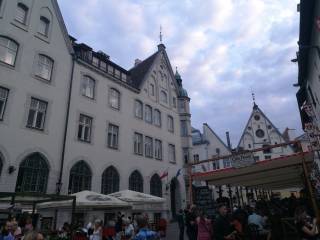
Outside of work, I really enjoyed getting to know Tallinn. The old town is beautiful, with its medieval streets and cosy cafés. Getting around took a little time to figure out. The public transport is good, but the announcements are in Estonian, so it took a few weeks before the routes felt easy. The highlights of my free time were usually the simple things: sharing meals with colleagues, trying traditional Estonian food like black bread and smoked fish, joining birthday celebrations at work, visiting different stores, and attending Church services. I also spent time with other international students, which helped a lot on the harder days when I missed home.
One of the most interesting parts of the exchange was comparing how healthcare works in Estonia versus Finland. The two systems are actually quite similar. Both focus on patient-centred care, and both rely heavily on digital tools. One difference I noticed is that in Estonia, patients are registered with a specific family doctor, which creates a strong sense of continuity. Estonia’s digital health infrastructure is also very advanced, arguably even more so than Finland’s. The working atmosphere at the clinic was professional and collaborative, just like what I was used to in Finland, which made it easier to settle in quickly.
What was different was the cultural context behind everyday life, the mix of Estonian and Russian spoken in the city, the way history comes up in conversation, and the quiet warmth people show once they get to know you. This experience gave me a new way of looking at Finnish working culture, too, because comparing the two made me notice things I had never thought about before.
The exchange has been a worthwhile experience.
Comments