
My visit to Dreamloop Games’ headquarters in Tampere, Finland gave me an engaging glimpse into the realities of professional game development. During the visit, I learned about the company’s background and work, toured its studio, and spoke with the head developer and a senior artist. These experiences allowed me to explore not only the company’s projects but also the career paths of its employees and their perspectives on the challenges facing the contemporary games industry.
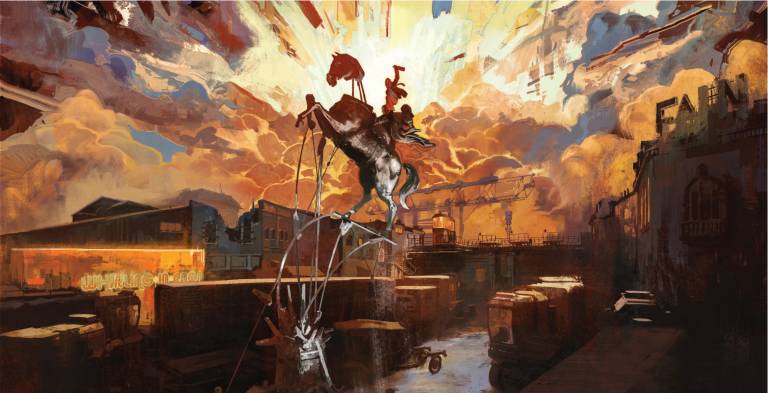
My visit began with a presentation introducing Dreamloop’s background and its involvement in game development, co-development, and outsourcing. Founded in 2015, the Tampere-based studio has contributed to numerous projects across PC and console platforms. Its portfolio includes work on The Ascent, Aragami 2, Layers of Fear 2, and Moons of Madness, demonstrating the variety of projects a studio can undertake through collaboration with other developers. I also learned about the company’s involvement in developing its own intellectual properties. Further information about its projects and services is available on Dreamloop’s official website.
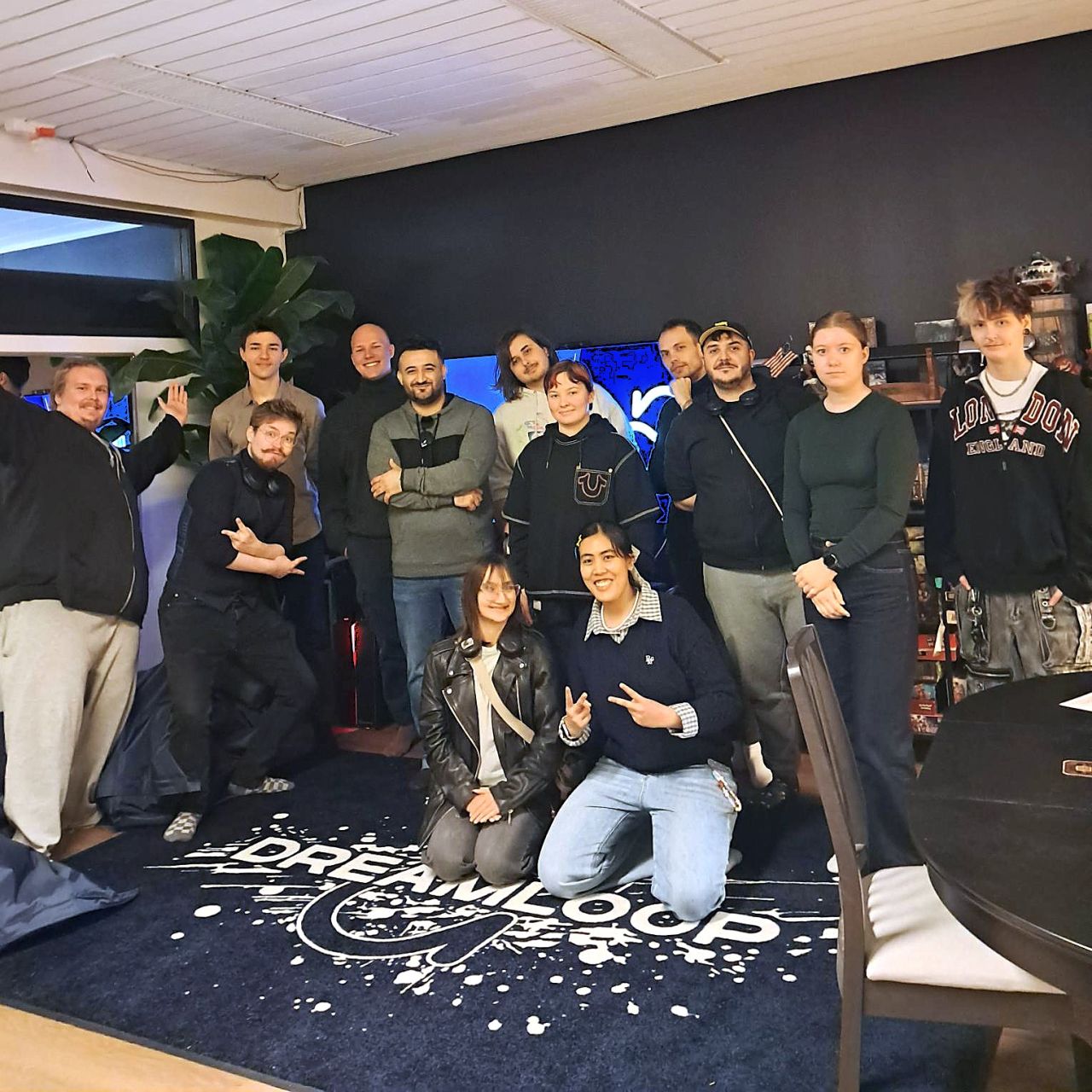
After the presentation, I was given a tour of the studio. I found the atmosphere friendly and welcoming, which made it easy to ask questions and engage in conversation. One of the most valuable parts of my visit was the opportunity to speak with the head developer and one of the senior artists. I asked them about the state of the games industry, the recent wave of layoffs, and their personal journeys into game development and employment at Dreamloop.
When I asked about the reasons behind industry layoffs, they both emphasized that the situation had multiple causes. They argued that company management and human resources departments sometimes attempt to impose their own agendas on games, potentially interfering with creative decisions. They also identified lengthy development cycles as a significant contributing factor. Their responses offered me an industry insider’s perspective on the relationship between management, creative autonomy, and the practical demands of game production. Although their explanations represented their own views rather than a comprehensive account of industry-wide layoffs, they made me consider how organizational decisions and prolonged production periods can affect both studios and the people working within them.
I was equally interested in learning how the two interviewees had entered the industry. The head developer told me that he had previously run a small studio with four friends. However, the pandemic disrupted their circumstances, and the group eventually separated. He subsequently approached Dreamloop’s CEO, whose office was located just downstairs from their former studio at the time. This conversation opened a path towards his current position. His story was particularly interesting because it demonstrated how professional opportunities can emerge through personal initiative and connections within the local development community.
The senior artist described a different career path. He told me that he had been working at Dreamloop for more than ten years and had initially approached the company by offering his portfolio. His experience highlighted the importance of presenting practical skills and demonstrating one’s abilities when seeking employment in a creative industry.
Overall, I think of my visit to Dreamloop as both enjoyable and informative. The warm environment encouraged open discussion and allowed me to explore questions that I had previously encountered mainly through industry news and academic commentary. As someone interested in game studies, I particularly valued the opportunity to connect my academic interests with the professional realities of game production. The visit reminded me that understanding games requires more than analyzing their narratives, mechanics, and cultural meanings; it also requires attention to the people, working environments, creative decisions, and industry conditions that shape their creation.