
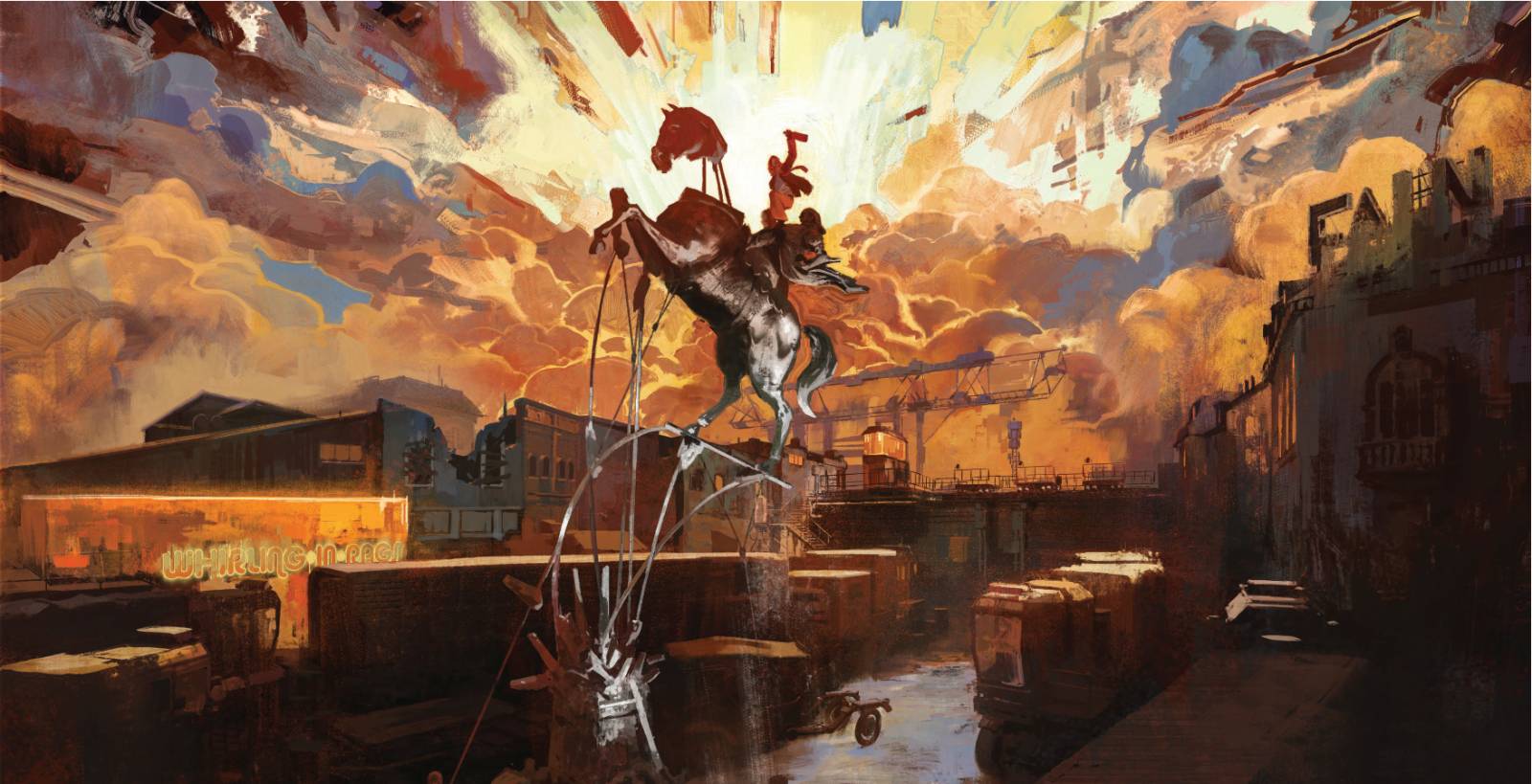
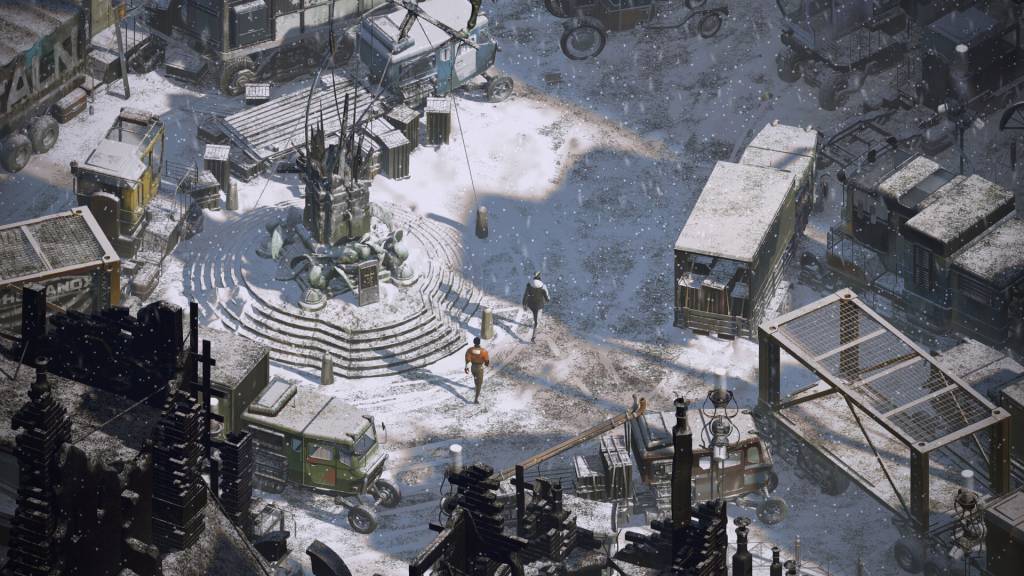
In Disco Elysium (ZA/UM, 2019), the player takes the role of a broken, alcoholic detective in a bleak and dilapidated harbor city named Revachol, lashed by wind and snow, filled with disillusioned souls. To recover his lost memories and track down a mercenary’s killer, the player’s character, Harry, and his partner, Kim, roam through the crowds. Through a wealth of dialogue and choices, player will discover that the citizens of Revachol inhabit a ruin forged from the dying embers of a failed revolution, the quagmire of bureaucracy, and the sweeping web of global capital. Again and again, the game asks one painful question: what happens to ideals when money arrives? In real life, the people who wrote that question found their own answer.
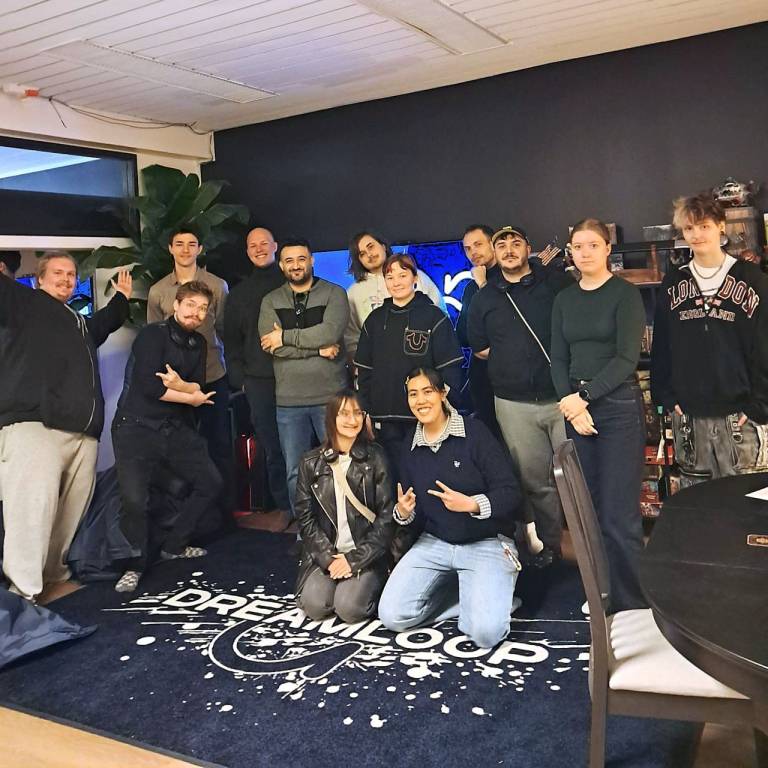
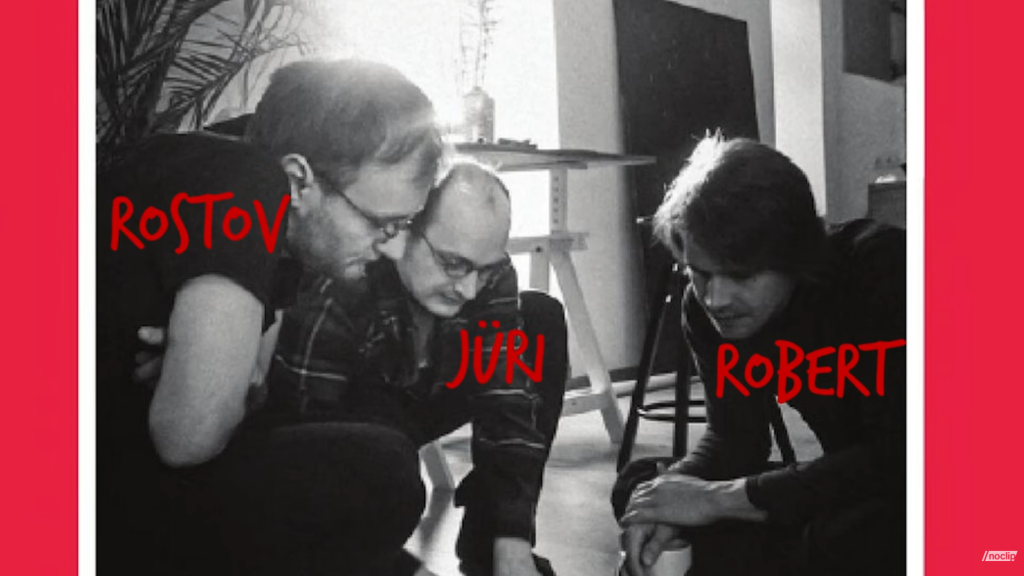
Let’s go back to 2000s. A group of Estonian leftist writers, artists and musicians spent their days painting, drinking, writing poetry and playing tabletop role-playing games (D&D). Together, they built an imaginary fantasy world called Elysium. Around 2009, Robert Kurvitz, Aleksander Rostov and their friends in Tallinn formally founded ZA/UM. Before Disco Elysium, Kurvitz published a novel set in this world in 2013, Sacred and Terrible Air. It sold only a little over 1,000 copies, which was a complete failure. Then, in 2014, another core member, Kaur Kender, wanted to help Kurvitz get out of depression and heavy drinking, and suggested putting the world into a video game. Kurvitz considered whole night and then said to Rostov: “My friend, we failed at so many things. Let us also fail at making a video game!”
With support from investors, this group of people—who had never made a game before—set up a studio and started to design one. To everyone’s surprise, Disco Elysium became a global hit when it came out in 2019, and its success was almost legendary. Ironically, by late 2021, core creators had been forced out of ZA/UM. The magnificent world of this game, which had taken more than fifteen years to create, was now beyond their creative control. Even so, in a documentary interview, Kurvitz said that he cannot stop constructing every aspect of this world in his mind.
The story became public in October 2022. Martin Luiga, an editor on the game, announced that the original ZA/UM cultural group had been dissolved, and said the creators were fired on false premises. Soon after, Kurvitz and Rostov published an open letter to fans. They accused two Estonian businessmen, Ilmar Kompus and Tõnis Haavel, of taking control of the company through fraud. According to court documents first reported by the Estonian newspaper Eesti Ekspress, a company linked to Kompus bought a few sketches for a sequel for just one euro, sold them back to ZA/UM for 4.8 million euros, and used that money to buy a majority stake in the studio. Meanwhile, ZA/UM told a very different story. The studio said the creators were let go because they created a toxic environment, including belittling women and coworkers, and denied any fraud. Also, it accused the creators of trying to sell the studio’s intellectual property.
Finally, as former developers filed a series of lawsuits against the original studio, Kompus ultimately returned the 4.8 million euros which were suspected of being fraudulent to the studio in November 2022. Kurvitz and Rostov have stated that they will continue their contention, but ZA/UM still controls the rights to Disco Elysium and its future sequels.
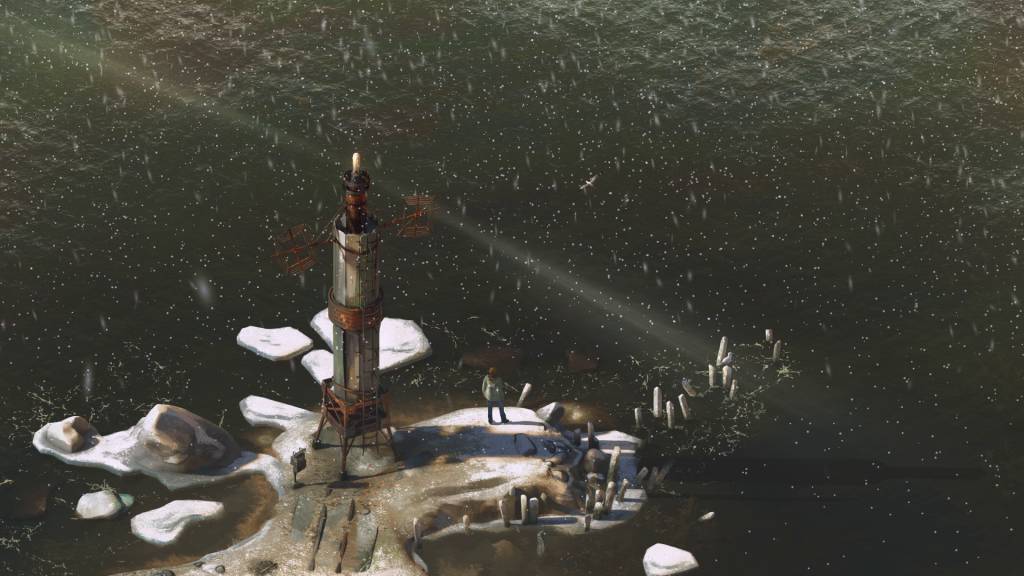
This leads to a hard question. If the people who gave a studio its soul are gone, what is left? A famous name, a logo, and a world whose original architects can no longer shape its future.
This story is not only about one studio. The dispute exposes a vulnerability independent creators can face: creating a successful game does not guarantee control over its future. Artists who once had full freedom suddenly face shareholders, contracts and lawsuits. Their work becomes an asset that someone else can control. And to get an IP back when a dispute arises is extremely difficult.
In May 2026, ZA/UM finally released a new RPG, Zero Parades: For Dead Spies. Critics praised it, but it did not sell well enough. Two months later, the studio announced it would cut up to 32 jobs. Kotaku called it “an unfortunate irony”: Zero Parades is a game about people forced into impossible situations, and it did not sell well enough to prevent layoffs.
After the layoffs, ZA/UM promised that its artistic standards would remain unchanged. But just as depicted in Disco Elysium, a grey nothing called the Pale in the game is slowly eating the world by over-saturating it with past memories, and no one can stop it. Today, ZA/UM is trapped in its own Pale: holding the deed to a magnificent universe but losing the spiritual capacity to let it breathe. Only this time, there is no save file to reload.
Other information:
Photos: screenshots from Disco Elysium (ZA/UM, 2019), Noclip’s documentary series The Making of Disco Elysium (2025), and its Steam page