by Daria Dayter
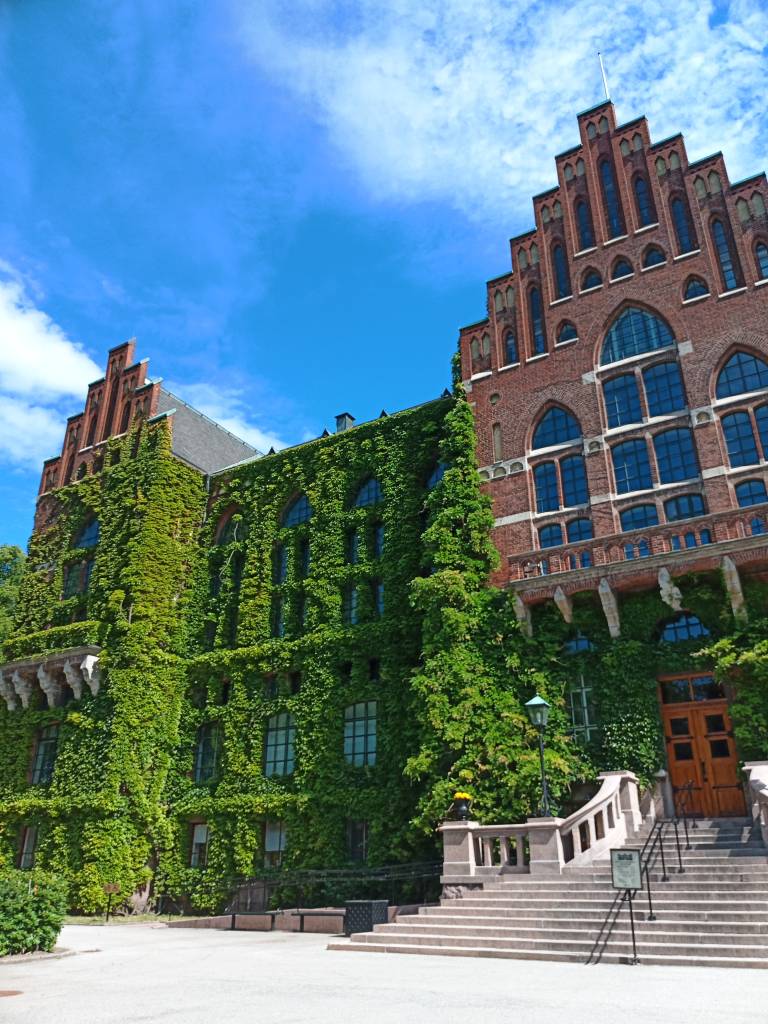
Last week I had the pleasure of attending the 8th Corpora and Discourse International Conference (CADS 2026) at Lancaster University, which brought together researchers working at the intersection of corpus linguistics and discourse analysis from around the world.
I presented a paper entitled “Evolving Discourses about Influencers on Bluesky”, where I explored how the emerging platform is shaping public conversations about influencers and influence. I also had the opportunity to chair a stimulating panel on corpus-assisted research on language and gender, which showcased the diversity of approaches currently being used to investigate gendered discourses and identities.
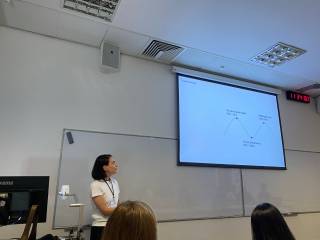
A major theme running through the conference was interdisciplinarity. The plenary speakers – Matteo Fuoli (University of Birmingham), Brian King (University of Hong Kong), Michaela Mahlberg (FAU Erlangen-Nürnberg) and Elena Semino (Lancaster University) – all reflected, in different ways, on the latest developments in the current state of corpus-assisted discourse analytic research, and, especially, what it means to conduct research across disciplinary boundaries. Mahlberg’s and Semino’s plenaries highlighted both the rewards and the challenges of cross-disciplinary work. Speakers discussed the difficulties of finding collaborators in other fields and of being taken seriously by researchers and practitioners in areas such as medicine or psychology when approaching questions through linguistic methods. At the same time, examples from healthcare, online communication, digital humanities and experimental research demonstrated the unique contributions that corpus-assisted discourse studies can make. Michaela Mahlberg’s plenary was particularly inspiring in its argument that linguists need to work together with colleagues from other disciplines to address complex “wicked problems” that cannot be solved from a single perspective.
The conference was also memorable for its weather! Lancaster was unusually hot, and many conversations continued outdoors during coffee breaks in the sunshine. The reception provided another excellent networking opportunity, allowing delegates to meet poster presenters and discuss their projects in an informal setting. Looking ahead, delegates were pleased to learn that the next CADS conference will be held in Vienna at WU Vienna University of Economics and Business (WU Wien), hosted by Gerlinde Mautner.
CADS 2026 was an intellectually stimulating and enjoyable event, and I came away with new ideas, new connections and renewed enthusiasm for interdisciplinary research, including my project on “alternative microblogging” on the BlueSky platform, where Plural also has an account: BlueSky Plural