
Pluralin tutkimukselle hyödyllistä tutkimusinfrastruktuuria
Kierroksella tutustuttiin siihen osaan yliopiston tutkimusinfrastruktuuria, joka on hyödyllisintä Pluralin jäsenten tutkimustyössä: Nexukseen, CIVITiin ja Ludukseen. Osa näihin kokonaisuuksiin kuuluvista laboratoriot on hiljattain siirretty Hervannan kampukselle.
Nexus keskittyy ihmisten toiminnan ja käyttäytymisen tutkimukseen. Se yhdistää alleen kokeellisen ihmistutkimuksen tutkimusympäristöt palvellen informaatioteknologian ja viestinnän tiedekuntaa, johtamisen ja talouden tiedekuntaa, kasvatustieteiden ja kulttuurin tiedekuntaa sekä yhteiskuntatieteiden tiedekuntaa. Nexuksen tarkoitus on edistää tiedekuntien ja tutkimusalojen välistä yhteistyötä ja tarjota tutkijoille menetelmällistä ja teknologista tukea. Infrastruktuuriin kuuluu muun muassa silmänliiketutkimukseen tarvittava laitteisto ja käytettävyyslaboratorio. Siellä voi tehdä esimerkiksi kokeellisia tutkimuksia, joihin osallistuu useita osallistujia, ja opiskelua sisältäviä tutkimuksia. Laboratoriot ja laitteet sijaitsevat keskustakampuksella ja Hervannan kampuksella.
CIVIT on immersiivisten visuaalisten teknologioiden tutkimusinfrastruktuuri, joka keskittyy signaalinkäsittelyyn liittyvään työhön. Se tarjoaa puitteet ja asiantuntemusta tutkimukseen, jossa käsitellään käyttäjäkokemusta, visuaalisten sisältöjen luomista, visuaalisen datan esittämistä, immersiivisiä näyttöjä sekä tilan mittauksia ja prosessointia. CIVITin laboratoriot sijaitsevat Sähkötalossa Hervannassa.
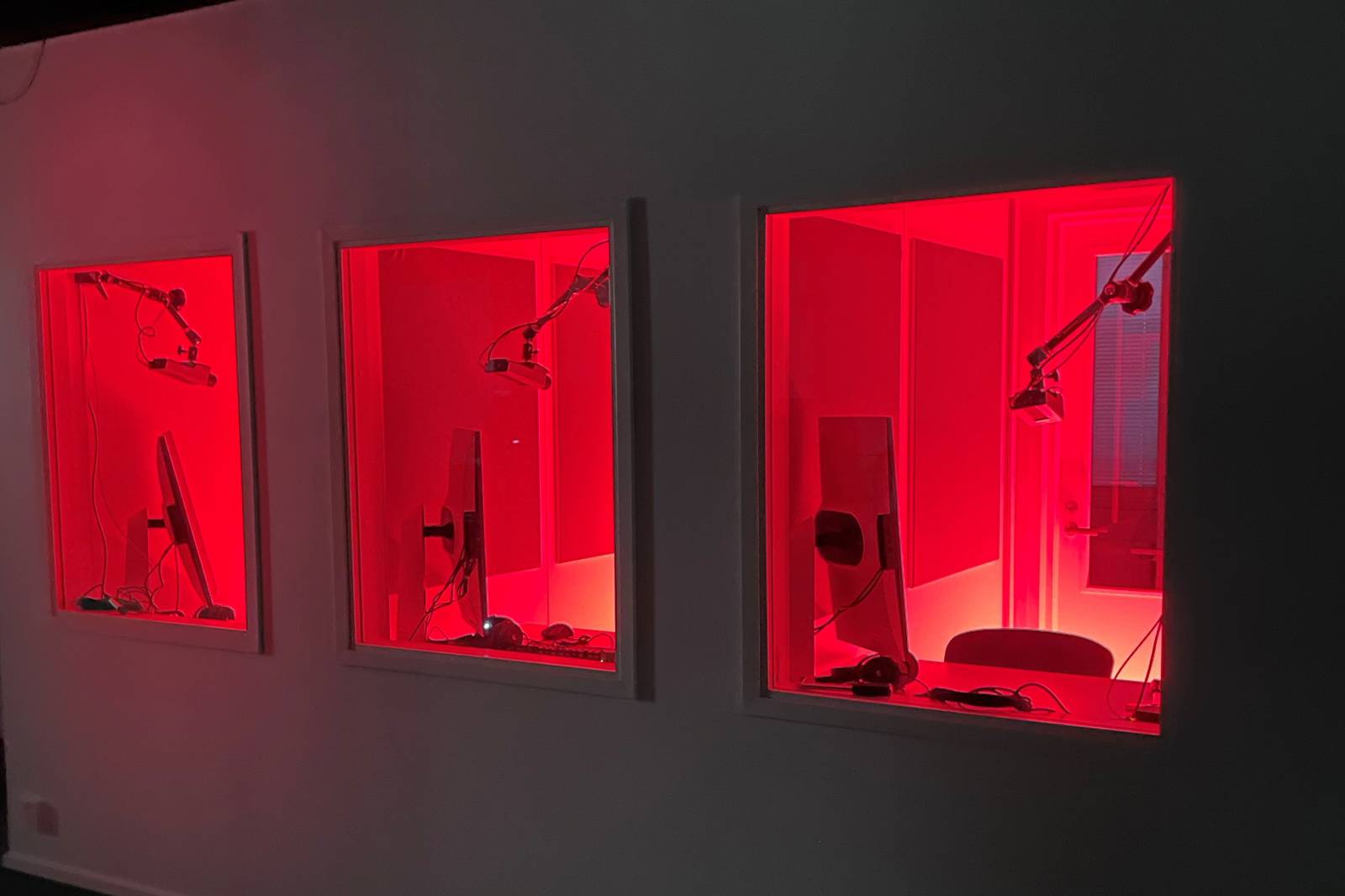
Ludus on Digitaalisen vuorovaikutuksen observatorio. Siellä tutkitaan pelillistä vuorovaikutusta teknologian kanssa. Ludusta voi käyttää monenlaisiin tarkoituksiin, esimerkiksi käytettävyystestaukseen ja teknologiavälitteisen vuorovaikutuksen tutkimiseen. Se on kuitenkin tarkoitettu erityisesti samanaikaisten tilanteiden tarkkailuun. Jos siis haluat tehdä käyttäjätestausta tai havainnoida yhtä tutkimushenkilöä kerrallaan, sen tyyppiseen tutkimukseen on parempia vaihtoehtoja. Ludus sijaitsee keskustakampuksella Pinni B:ssä.
Suurin osa tiloista varataan Outlook-kalenterin kautta. Kalenteriin tehdään merkintä, jonka sijainniksi määritetään haluttu laboratorio. Kun teet varauksen, saat todennäköisesti yhteydenoton laitteistosta vastaavalta henkilöltä. Joka tapauksessa on hyvä idea ottaa vastuuhenkilöön yhteyttä jo ennen kuin varaat tilan, siis jo tutkimuksen suunnitteluvaiheessa. Tutkimusinfrastruktuurin henkilökunta auttaa tutkijoita suunnittelemaan tutkimuksen ja käyttämään välineitä. He osaavat myös auttaa oikean labran tai välineiden valinnassa ja varmistavat, että välineitä käytetään oikein ja turvallisesti.
Tutustumiskierroksella pääsimme käymään myös Pinni B:n ministudioissa, jotka vaikuttivat erityisen kiinnostavilta Pluralin tutkijoiden näkökulmasta. Pinni B:n alakerrassa on studioita podcastien nauhoittamista ja videoiden kuvaamista varten. Useita kameroita vaativiin projekteihin on tarjolla TV-studio Päätalossa. Kaikki välineet ja ministudiot löytyvät Resource Booker -järjestelmästä.
Välineet haetaan välinelokeroista ja palautetaan niihin. Lokeroiden käytössä kannattaa olla tarkkana, sillä lokeroita on useissa eri paikoissa, ja eri lokeroista vastaavat eri toimijat. ITC:n välineiden noutolokero sijaitsee Pinni B:n pohjakerroksen hissiaulassa. Niitä ei pidä sekoittaa IT-palvelujen lokeroihin Päätalossa ja Hervannassa eikä CIVITin lokeroihin, jotka sijaitsevat Sähkötalon A-osassa toisessa kerroksessa. Väärään lokeroon palautetut välineet päätyvät väärille ihmisille, jotka eivät tiedä, mitä niille pitää tehdä.
Kierroksen osallistujien ajatuksia
Tätä blogitekstiä varten kysyin ajatuksia tutkijoilta, jotka osallistuivat kierrokselle. Yksi vastaaja kertoi, että suurin osa kierroksesta oli enemmän osastoa ”kiva tietää” kuin hänen omalle tutkimukselleen oleellista tietoa. Silti hänestä oli hyödyllistä kuulla, millaista teknologiaa labroista löytyy ja miten sitä on aiemmin käytetty. Hänestä oli myös hyödyllistä kuulla infrastruktuurin rajoitteista. Konkreettisena ideana hän mietti, että ministudioita voi hyödyntää tiedeviestintätyössä.
Toinen tutkija piti kierrosta sekä yleisesti hyödyllisenä että innoittavana, koska se näytti, millaista tutkimusta infrastruktuuri mahdollistaa. Hän sanoi, että ennen kierrosta hän ei ollut osannut edes kuvitella kaikkia niitä tutkimusmahdollisuuksia, jotka infrastruktuuri tarjoaa. Nämä mahdollisuudet pistivät itämään monta uutta ideaa, joita tutkija aikoo jatkojalostaa, jos ja kun sille on aikaa.
Kun järjestimme kierroksen, juuri tätä toivoimme. Niinpä ainakin näiden kommenttien perusteella kierros oli onnistunut.
…………………………………………………………………………………………………………………………………………..
In English
Text: Mira Kainulainen, photo: Poika Isokoski
In November 2025, Plural organised a Pluminar on research infrastructure. Pluminars are a regular series of seminars for Plural members. This one was a little different, though. Instead of a traditional lecture format, this Pluminar was an introductory tour to the research infrastructure at the City Centre Campus.
To make the most of the benefits, we at the Plural board thought that it would be useful for the whole Plural community to share what the participants learned on the tour. So, in this blog post, I’ll share what we learned about Tampere University’s research infrastructure and how it is used.
Research infrastructure that can be useful for Plural research
The tour included an introduction to research infrastructure that is most relevant to Plural members’ research. This included Nexus, Civit and Ludus. Some of the laboratories have recently been moved to the Hervanta campus.
Nexus is a joint infrastructure for experimental research on humans, focusing on human performance and behaviour. It connects the faculties of Education (EDU), Information Technology and Communication Sciences (ITC), Management and Business (MAB), and Social Sciences (SOC). Its purpose is to promote cross-faculty and interdisciplinary collaboration and provide methodological and technological support for researchers. It includes things like eye trackers and usability labs for experimental group settings and research that requires studying. Laboratories and devices are on the Center campus and in Hervanta.
Civit is the Centre for Immersive Visual Technologies. It focuses on signal processing related work. It provides facilities and expertise in user experience, visual content creation, representation of visual data, advanced displays, spatial measurements and processing. Civit laboratories are located in Sähkötalo in Hervanta.
Ludus is the Observatory of Digital Interactions. It is a place for studying playful interactions with technology. It can be used for many purposes, such as usability testing and studies on technology-mediated collaboration. However, it was particularly constructed for observing simultaneous situations, so if you just want to conduct user testing or observation on one participant at time, there are more suitable options. Ludus is located in Pinni B on the city center campus.
Most spaces can be booked through the Outlook calendar. You make an entry in your calendar and mark the lab as the location. When you make the entry, you are probably contacted by the person responsible for the equipment in question. However, if you are planning a study that involves using research infrastructure, it is a good idea to to contact the responsible staff scientist or lab coordinator even before you book the space. They help researchers in planning research and using the infrastructure. They can help you with choosing the right lab or equipment, and they also ensure that the equipment is used correctly and safely.
One part of the tour that seemed particularly relevant to Plural researchers was the ministudios in Pinni B. There are studios for recording podcasts and videos. For larger projects that require multiple cameras, there is a TV studio in Päätalo (main building). All equipment and ministudios can be found on Resource Booker. You pick up and return equipment via resource lockers. The trick is that there are several lockers operated by different parts of the university at different locations. The ITC device takeout service lockers are located in 0 floor of Pinni B (the elevator lobby). These should not be confused with the IT-services Lockers in the main building in city center and in Hervanta. or with Civit locker located in the 2nd floor of the A part of Sähkötalo. A device returned in the wrong locker will go to wrong people who do not know what to do with it.
Thoughts from tour participants
For this blog post, I asked some thoughts from researchers who participated on the tour. One respondent answered that while most of the tour was more “nice to know” than information pertinent to their own research, it was useful to learn what kind of technology the labs have and how it has been previously used. They also found it useful to know about the limitations of the infrastructure. As a concrete idea, they pointed out that the ministudios can be utilised in science communication work.
Another researcher found the tour both generally useful and inspiring, as it showed what kind of research the infrastrucure enables. They said that, before the tour, they could not even imagine all the research opportunities that the infrastructure provides. These opportunities seeded many new ideas that they can develop further if and when they have the time. I feel the same way. When organising the tour, this was precisely what we hoped for. So, at least based on these comments, the tour was a success.