

Finnish society must actively acknowledge the socio-spatial inequalities embedded within its welfare and eldercare system. Only by recognizing the full complexity of rural ageing—including its emotional, sociolinguistic, cultural, and structural dimensions—can the country develop an eldercare system that is truly inclusive. A just and sustainable future for older adults demands policies that support ageing in place.
Introduction: Revisiting Care Poverty in Rural Finland
The notion of “care poverty,” referring to the lack of adequate support for daily living and health needs in old age has become increasingly central to scholarly debates on welfare inequalities (Kröger et al., 2019b; Kröger, 2022).
While rural areas are often presumed to have the greatest unmet care needs due to limited services, the statistics indicate there is a higher degree of care poverty in urban areas (Kröger et al., 2019b). However, the situation in Finland’s Lapland and Archipelago regions reveals a more intricate reality.
Drawing on both quantitative studies and qualitative insights, this article explores the paradox of lower reported care needs in rural Finland, the socio-cultural and sociolinguistic dynamics of eldercare, and policy implications for equitable and culturally sensitive service provision.
In Finland, the welfare system is designed to provide universal, needs-based accesses to eldercare services, with the explicit aim of covering all citizens regardless of background or location (Anttonen & Sipilä, 1996; Kröger, 2022). However, recent scholarship has emphasized constant tensions and persistent gaps in service provision (Ilmarinen et al. 2025) and has debated regarding the true universality of this attention. Scholars have pointed out that the Finnish care system, in reality, reflects only a limited form of universalism. Older adults are not guaranteed explicit legal rights to care services; rather, their access is shaped by municipal-level decisions and the discretion of professionals acting as gatekeepers (Kröger et al., 2019b; Szebehely & Meagher, 2018).
Older adults are not guaranteed explicit legal rights to care services; rather, their access is shaped by municipal-level decisions and the discretion of professionals acting as gatekeepers.
In fact, regional disparities particularly in remote and sparsely populated areas such as Lapland and the Archipelago mean that older adults may face significant barriers due to long distances, limited transportation infrastructure, and difficulties in recruiting and retaining qualified staff (Kröger et al., 2019b; Sihto & Vasara, 2023).
Beyond geography, disparities are also shaped by socio-cultural factors (Lankila et al. 2016; Ilmarinen et al. 2025). In some rural communities, older adults may underreport their care needs due to strong norms of self-sufficiency or reluctance to seek outside help. It is also important to note the fact that some rural regions have populations who speak minority languages such as Sámi and Swedish. Their needs for services in their own languages tend to be overlooked. Furthermore, SOTE (the reform of public healthcare and social welfare services) has introduced new challenges in ensuring consistent service quality across regions. Since the responsibility consolidated to the wellbeing services counties since 2023 (THL, 2023), rural diversity has been standardized. Therefore, in this short essay, we will describe these intersecting factors—geographic, structural, and socio-cultural creating tensions between the ideal of universal coverage and the realities of service delivery, especially for marginalized and remote populations.
Rural Paradox: Fewer Unmet Needs Despite Fewer Available Services
A report submitted by the Provincial Government of Lapland to the Parliamentary Ombudsman exposed alarming conditions in some eldercare institutions. Elderly individuals in round-the-clock care were reportedly tied to chairs or supervised by untrained staff. Night shifts were often dangerously understaffed, raising ethical and legal concerns.
Despite these findings, Lapland’s situation was considered “less alarming” than densely populated southern regions. This assessment, however, risks downplaying the chronic under-resourcing of care facilities in the rural North and ignores cultural mismatches that do not register in standard care evaluations.
Moreover, contrary to widespread assumptions, national datasets indicate that the living area is a non-significant element for instrumental activities of daily living (referring to more complex tasks necessary for independent living, such as managing medications, shopping, or handling finances).This paradox has intrigued us and raised questions about the methodologies used to assess care needs and the actual living conditions in rural contexts (Kröger et al., 2019a).
To explain this paradox, there are several structural challenges : distance to services, decline of rural infrastructure and demographic shifts.
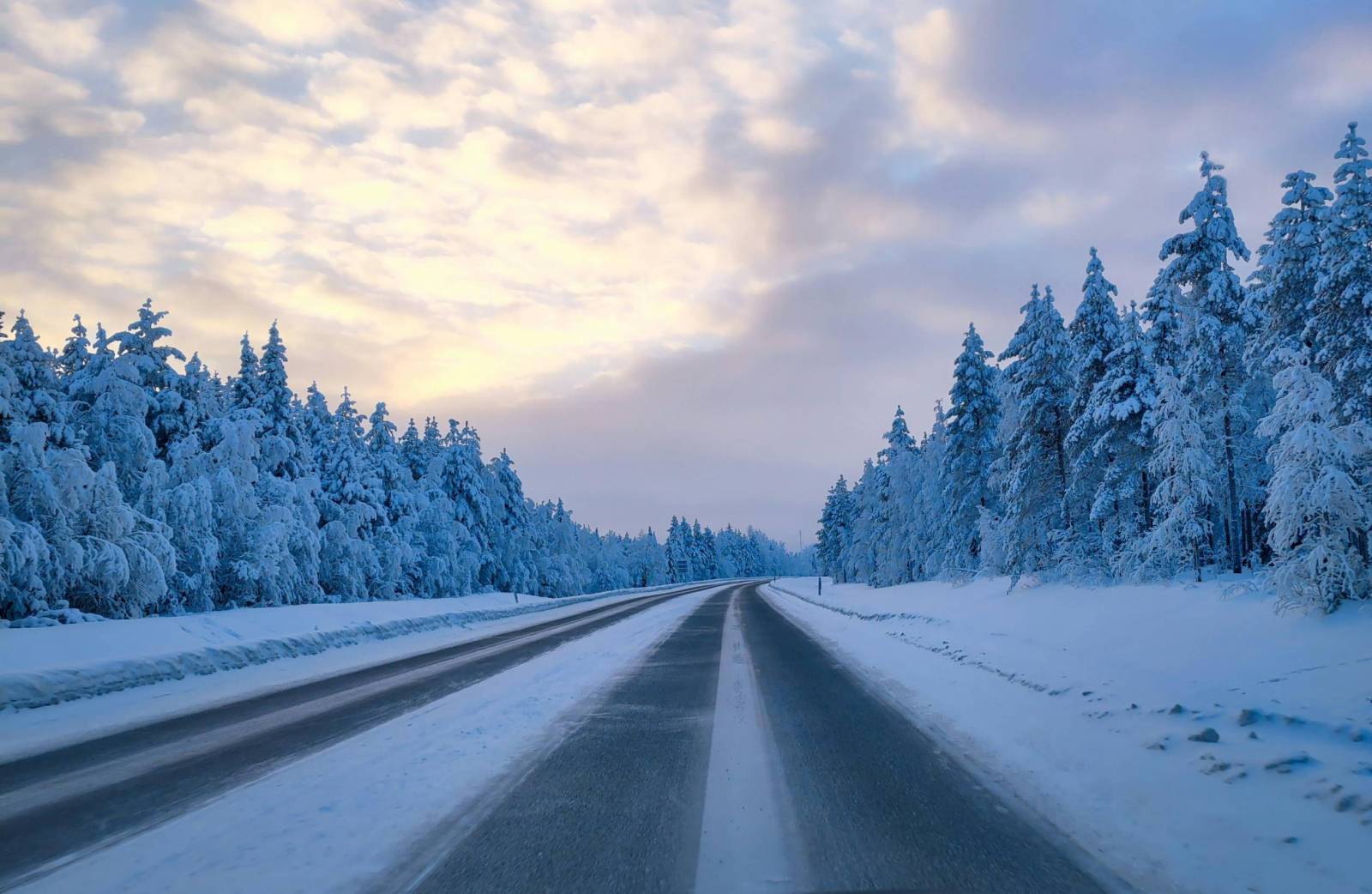
In Lapland, the average distance to the nearest health center is around 36 km, with some residents needing to travel over 300 km for specialized services. In the Finnish Archipelago, smaller islands are connected by ferry routes and commuter ferries. Although the geographical distances are relatively short compared to regions like Lapland, accessing public services remains time-consuming due to the complicated maritime transportation system.
In Lapland, village shops, post offices, and schools are closing, contributing to increased social isolation and functional dependency. In the Finnish Archipelago, due to the centralization of medical services, local clinics are scaling back their operations. Rural areas are ageing rapidly due to youth migration to urban centers for work and education, reducing the availability of informal caregivers (Rasi & Airola, 2023). This led to shortage of care worker both in public and private sectors.
Despite various constraints, some older adults in Lapland express satisfaction with local care services. Many highlight the value of effective phone consultations, responsive nursing staff, and strong informal support networks, such as help from neighbors and family.
Despite various constraints, some older adults in Lapland express satisfaction with local care services. Many highlight the value of effective phone consultations, responsive nursing staff, and strong informal support networks, such as help from neighbors and family (Begum, 2019). Although this sense of adequacy appears to extend to the Archipelago (Nenonen 2022), phone consultation is not a satisfactory factor in the Archipelago recently. According to the author’s interviews with older citizens and care workers, since SOTE, the residents have experienced significant difficulty in communication on the emergency phone service due to the redirection of their calls to faraway offices.
The seeming adequacy of care in rural areas can be partly explained by strong socio-cultural resilience. Few residents express satisfaction with local health services, citing regular check-ups, and community-based nursing as positive aspects. Informal support networks like neighbors, family, and even taxi services subsidized by the Social Insurance Institution play a crucial role in bridging service gaps. Again, many older adults have adapted to the limited formal service structure through informal mechanisms.
Many older adults have adapted to the limited formal service structure through informal mechanisms.
However, these adaptations come at a cost. Older adults often move to urban centers when care needs surpass what can be managed locally, removing them from care poverty statistics.
Sociolinguistic Dimension of Eldercare and rural care poverty: Adaptation and its Costs
One of the most overlooked factors in assessing rural care poverty is language. Even though Finland officially recognizes three Sámi languages (North Sámi, Inari Sámi, and Skolt Sámi) as minority languages, the reality of accessing care in one’s native language is limited.
A 2008 report by Länsman and a more recent follow-up by the Finnish Non-Discrimination Ombudsman highlight the challenges Sámi people face in accessing services in their mother tongue even in the capital region. While legal frameworks mandate access to Sámi language services, implementation is sparse. In the rural North, there is a severe shortage of Sámi-speaking caregivers, creating care environments that can feel alienating or culturally insensitive. For instance, elderly Sámi residents may be forced to interact in Finnish or Swedish, leading to miscommunication and a loss of comfort in intimate care settings. Language is not merely a medium of instruction or communication; it is deeply tied to identity, autonomy, and emotional well-being.
In contrast, the institutional support for the Swedish language is significantly more developed in Swedish-speaking regions, including the Archipelago. However, following the SOTE reform, the municipalities in the Archipelago have been integrated into the Southwest Finland wellbeing service county, where the vast majority of the population are Finnish speakers. As a result, responsibility for public eldercare services has been transferred from the local municipalities of the Finnish Archipelago to the regional level. All service-related phone calls from the citizens are now redirected to a central call center serving the entire wellbeing service county. The same goes for the emergency alarm systems. This scaling up of eldercare provision has led to a decline in the availability of services in Swedish, effectively resulting in the erosion of language rights.
In both cases, the absence of linguistically adapted services can lead to social isolation and diminished well-being.
Toward a Responsive Policy Framework
For Finland’s eldercare policies to work well, they need to do more than just look at statistics. Policymakers must pay attention to the real, everyday experiences of older adults and caregivers, especially those living in rural areas or from minority and multicultural backgrounds. Even though official documents often talk about “universal access,” people’s actual experiences show that there are still many gaps in care. To close these gaps, Finland needs solutions that are more flexible and responsive to the needs of different groups of older people.
One striking example comes from the Sámi-speaking regions of Lapland, where older people often struggle to access services in their native language. Despite the legal right to culturally and linguistically appropriate care, there are still too few Sámi-speaking caregivers. In practice, this can mean that an older person is unable to participate fully in traditional activities that are important to their well-being. Addressing this requires not just translation services, but the recruitment and training of caregivers who are fluent in minority languages such as Sámi and Swedish, and who understand the cultural significance of rituals, foods, and seasonal celebrations.
Another challenge is that many older people in rural areas live far from the nearest health center. For example, an older adult living alone in the Archipelago or Finnish Lapland might need help with basic tasks like bathing or dressing, or with things like shopping and paying bills. But it can be hard for them to travel to town for regular check-ups or support. Some municipalities have tried to help by sending mobile health units or offering care through phone or video calls. However, not all elderly people are comfortable using digital technology, and some do not have good internet access (Rasi & Airola, 2023). To ensure everyone benefits, it is important to help older people to learn how to use these tools, but it is also necessary to keep offering face-to-face care for those older people who prefer it. There should be more help for local programs that let older people keep living in their own homes like, help at home, places to meet for coffee, and friendly visits from volunteers in the countryside.
Finally, policy decisions should be based on research that includes everyone’s experiences. Current surveys often miss the voices of language minorities or people who are isolated.
Finally, policy decisions should be based on research that includes everyone’s experiences. Current surveys often miss the voices of language minorities or people who are isolated. By using interviews and listening to real stories—like those of an elderly people living far from family—policymakers can better understand what people truly need. These insights can help create eldercare policies that are fairer and more flexible for everyone.
Conclusion: Rethinking Rural Care Through a Socio-Cultural Lens
The Finnish case challenges narrow interpretations of care poverty as solely a matter of service availability or unmet needs. Instead, it calls for a deeper, more nuanced understanding of rural ageing—one that considers not only the resilience and adaptability of rural older adults, but also the often-invisible costs they bear in navigating systemic gaps. These costs include emotional strain, cultural displacement, and linguistic exclusion, which are seldom captured in conventional welfare metrics.
Furthermore, there must be a conscious effort to move beyond the tacit societal expectation that rural residents should adapt by relocating to urban centers—a strategy that may have been silently tolerated but is neither equitable nor sustainable. The ongoing diminishment of rural communities has been fueled by this relocation of older population which is not an inevitable trend but a reflection of prolonged passive neglect.
A critical first step in addressing rural care poverty is the development of an adequate and context-sensitive measure that reflects the lived realities of older adults in rural areas. Without such tools, the unique vulnerabilities of these populations risk being overlooked or minimized in national policy agendas. Furthermore, there must be a conscious effort to move beyond the tacit societal expectation that rural residents should adapt by relocating to urban centers—a strategy that may have been silently tolerated but is neither equitable nor sustainable. The ongoing diminishment of rural communities has been fueled by this relocation of older population which is not an inevitable trend but a reflection of prolonged passive neglect.
To reverse this course, Finnish society must actively acknowledge the socio-spatial inequalities embedded within its welfare system. There should be more research on older people in rural settings in social policies and care studies. Only by recognizing the full complexity of rural ageing—including its emotional, linguistic, cultural, and structural dimensions—can the country develop an eldercare system that is truly inclusive. A just and sustainable future for older adults demands policies that support ageing in place, respect diverse life contexts, and promote the dignity and well-being of all, regardless of geography.
Dr. Shahnaj Begum is currently a University Researcher at the University of Lapland, where she is funded by the Research Council of Finland as a Postdoctoral Researcher (Decision number 348669). Her recent work explores the intersection of ageing, ethnicity, and digitalization within age-friendly environments. She is also affiliated Post-doctoral researcher at Centre of Excellence in Research on Ageing and Care (CoEAgeCare), University of Helsinki. Dr. Erika Takahashi is a professor at the Graduate School of Humanities, Chiba University. She is a medical anthropologist specialising in ageing and eldercare. Her work is based on fieldwork in public services and private associations in the Finnish archipelago.
References
Anttonen, A., & Sipilä, J. (1996). European social care services: is it possible to identify models? Journal of European Social Policy, 6(2), 87-100
Begum, S. (2019) “Exploring ageing friendly environment in rural settings: A case study from Finnish Lapland.” In Naskali, P., Harbison, J & Begum, Shahnaj, (eds.) New Challenges to Ageing in the Rural North: Welfare, Gender and Voice: A Critical Interdisciplinary Perspective, Springer Nature.
Begum, S., Naskali, P., Zechner, M., Outila, M., Svensson, E-M., Wennberg, L., Harbison, J. R., Halla Arnórsdóttir, A. & Kvitberg, T. (2021). Exploring gender equality among caregivers: a sub-study based on the Nordic network, In: Current Developments in Arctic Law. 9, p. 97-133 36 p.
Ilmarinen KM, Aalto AM, Muuri AL. (2025) Unmet need for and barriers to receiving health care and social welfare services in Finland. Scand J Public Health, 53(1_suppl):52-63.
Kröger, T, (2022). Care Poverty: When Older People’s Needs Remain Unmet. Palgrave Macmillan.
Kröger, T, Mathew Puthenparambil, J, Van Aerschot, L. (2019a) “Care poverty : unmet care needs in a Nordic welfare state.” International Journal of Care and Caring. 3(4): 485-500.
Kröger, T., Mathew, P., & Anttonen, A. (2019b) “Care poverty: Unmet care needs in a Nordic welfare state.” International Journal of Care and Caring, 3(4), 485–500.
Lankila T, Näyhä S, Rautio A, et al. (2016) Is geographical distance a barrier in the use of public primary health services among rural and urban young adults? Experience from Northern Finland. Public Health ; 131: 82–91
Länsman, A. (2008). Saamen kieli pääkaupunkiseudulla. Vähemmistövaltuutettu. ISBN: 978-952-491-380-5.
Rasi, P., & Airola, E. (2023). Health services and eHealth from the perspective of older rural residents of Finnish Lapland. Journal of Rural Studies, 97(January), 177–185.
Sihto T. & Vasara P. (2023) ‘Dark side of Care’(Hoivan pimeä puoli). Helsinki: Gaudeamus.
Szebehely, M. and Meagher, G. (2018) Nordic eldercare – weak universalism becoming weaker?, Journal of European Social Policy, 28(3): 294–308.