“The playfulness or it should be like attractive to use at the same time, so they could forget that they are giving the input… the main thing is to achieve the flow from the participants I think.”
Youth see societal topics as boring and complicated, but youth workers and teachers can leverage gamified methods, using game elements in non-game contexts, to support youth participation process boosting learning and breaking social barriers through play. However, if you use gamification aimlessly, it will distract youth from learning goals.
Costs with Existing Digital Methods
We live in a subscription society. Whether you watch movies, listen to music, or edit images, you pay a recurring fee for a temporary license. This applies to most gamified digital methods, but with higher costs. I spoke with youth worker from Finland, and he explained:
“Since the tools we are currently using don’t support all our uses and needs, we have to use low-cost and limited solutions for our needs.”
Since youth organizations operate with limited funding and personnel, they need cost-effective methods. While providers offer free tiers to their methods, limitations can render them unusable. If project funding allows subscription, it can be worth it, since digital methods provide benefits with more efficient data collection and analysis. In contrast if one would use an analog method, card game or board game, with an entire school data processing would require more effort.
Difficult Methods will be Forgotten
A youth worker from Estonia painted her image of a perfect method:
“When I think about the dream method then for me, I wish that there could be some kind of like x factor or something that it doesn’t matter if it will be hosted by youth themselves, youth workers, decision makers. It doesn’t matter who will host it, it always works for me. It is kind of aspect is the most important one, I think.”
With digital methods it’s important to consider who uses them. We demand efficiency and ease of use from digital services and become frustrated when they betray our expectations. Bad usability sidetracks us from our goal. Even if a method fulfills all education goals, if a youth worker cannot use the method, it will never reach youth either. If youth think it’s confusing, they will lose interest. Also, how many technical skills and learning the method requires? A popular video game Minecraft has seen success in both youth work and education, but it takes effort to arrange a workshop: set up a server, get machines for youth to play, and create workshop content. It’s a great tool only if you can use it. While analog methods don’t need technical knowledge, complicated instructions, rules, and time-consuming setup can obstruct their use.
We Want to Customize our Methods
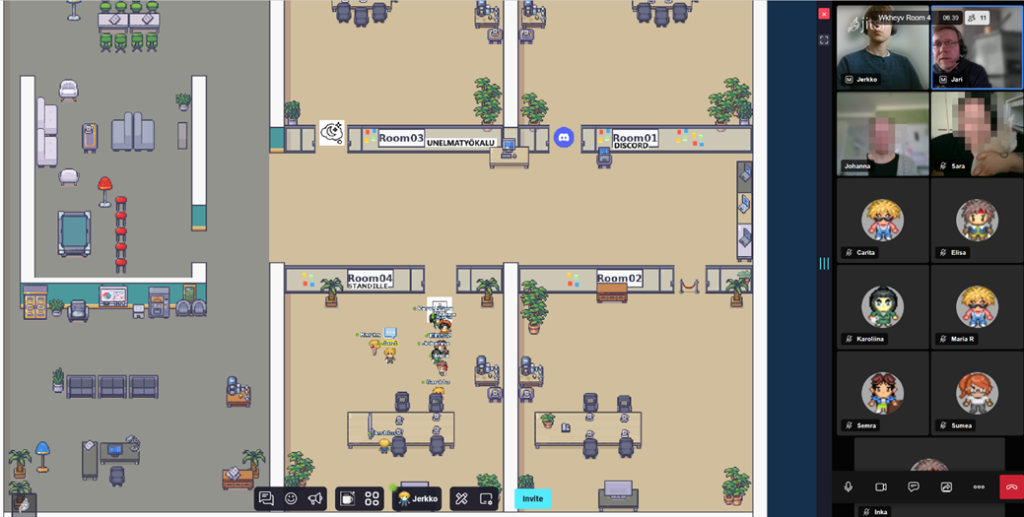
A youth worker from Bosnia and Herzegovina explains challenges with mixed multinational youth groups:
“We had the youth exchange in Estonia with people from Lithuania, Estonia, Croatia and Bosnia. Lives of these young people from different countries are completely different: schooling is different, they are on different levels, the games that people are doing here and there are completely different. So, we were there for two weeks – I swear five first days it was people learning how to accept something different, because you have different, let’s say food preferences, and of course, Balkan is full of meat and then you are in Estonia which is quite vegetarian habitat. You have so many differences and then I was there trying to do some methods. Of course, my methods were super interesting for one group, but then not interesting for another. I’ve worked everywhere from Estonia to everywhere, so I know what’s the target group, but then it was super difficult to adapt, so that everybody’s enjoying. So, let’s say my top fear is when you have such a mixed group.”
Be it changing characters backstory in a game or adjusting time to suit school class, youth workers often need to adapt methods to their target audience. Also, considering novelty, if youth have experienced the method and you use it without changing anything, replaying may have opposite effect. Even facilitators don’t want to use exact same methods and ice breakers all over again. It’s boring. In that sense, digital methods are problematic, because you cannot change them significantly. Analog methods shine in that regard, since they are easier to customize.
What would a Dream Method Look Like?
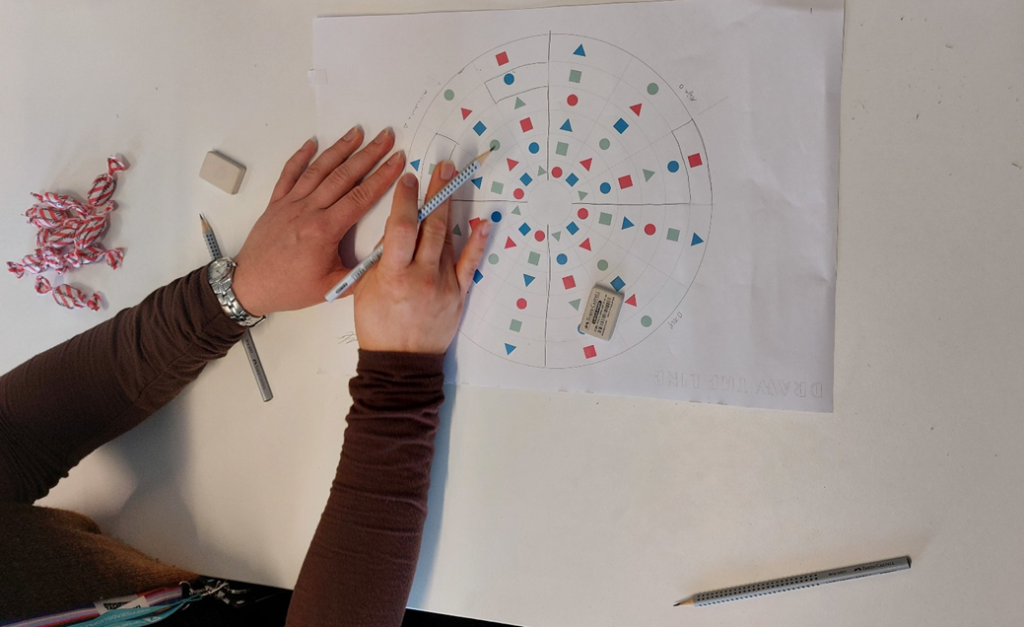
It’s ambitious to say one perfect method could solve all problems. A more reasonable approach is to create multiple methods for different purposes—a toolkit. For example, a method would have a general gameplay loop, and facilitators can change the contents like narration and theme depending on their needs.
You must consider how to grasp youth’s attention. If we use the same motivators as commercial games, seeking individual satisfaction, the method won’t reach full potential. A youth worker from Italy expressed how they avoid competition with their methods:
Creative storytelling and thinking. Team groups. Yeah. We are using more cooperative games. Our games are not competitive like no scores no classification. So, the most important for us in our games that we are using is to make people reflect on a topic and to learn new things. Learning by doing.
Players close to the top will focus on winning without learning and others give up midway when the score gap is too wide. Treat competition with caution and if needed prefer group-based competition and reward everyone for participation. And, of course, you can use narration to create a story around the theme, collectables, missions to invoke adventure, and many more, but I won’t go into details here.
We can consider dream method(s) already exists. GameIN project builds a web platform listing various gamified methods users can search with filters. A dream method could be create a workshop feature. User writes a name for the workshop, goal, description; picks an ice breaker, a gamified method. The feature would give user exportable workshop document with instruction available in multiple languages.
Is dream game a whole process or just a game to support youth participation? True youth participation requires involving youth to decision making; it’s not enough to play games with youth or just listen to them. Their input should be used to affect society and transform youth themselves—enhance the feeling of inclusion in our society. Create opportunities for youth to feel their opinion matters. If we listen to their opinions to forward them to decision makers, we should also give youth a chance to hear how their voice impacted their society.
In summary youth organizations want a method with reasonable costs, easy to use, possible to customize content to adapt it to wider audiences, collect data from youth efficiently and authentically, and of course engage youth to learn and increase feeling of participation. If you’re interested in what the dream method will become, stay tuned with GameIN project.
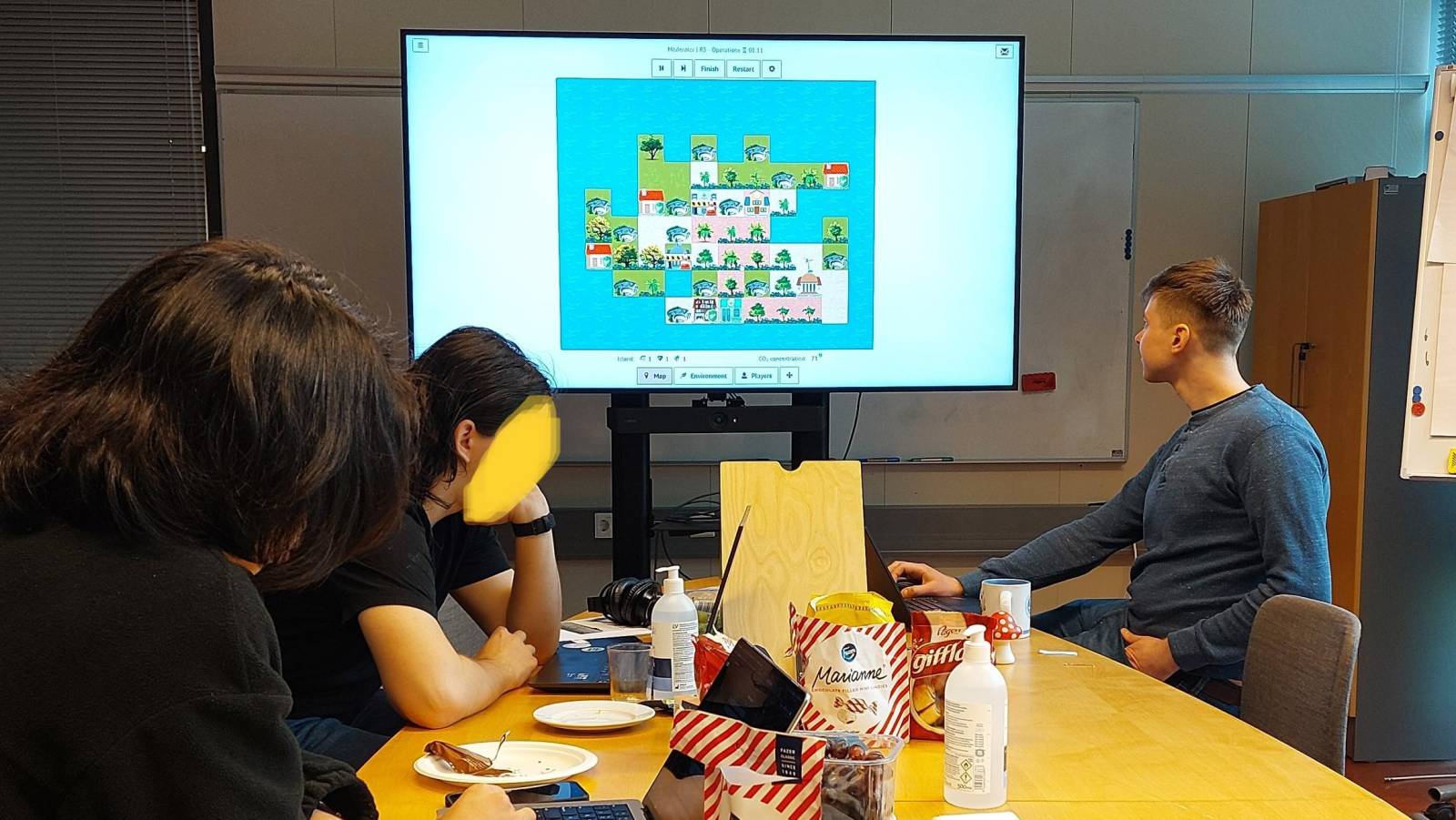
Gamified methods in the photos:
Workadventure. (2022). Workadventure [Virtual office app]. PC, Android, IOS. https://workadventu.re/
Nauru Game for Active Citizenship in Europe. (2018). New Shores: A game for democracy [Video game]. The Center for System Solutions. Web browser. https://newshores.crs.org.pl/
Democracy and Games. (2022). Draw the Line [Board game]. https://demogames.eu/en/democracy-game-box/draw-the-line
Author:
Jerkko Viisteensaari is a Human-Technology Interaction master’s thesis student in Tampere university and research assistant in GameIN project.