
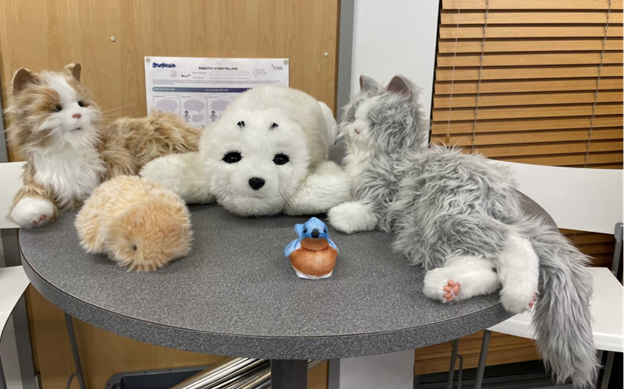
The idea came from a simple thought. Classes can get stressful. Between deadlines, projects, and the mental gymnastics of making sense of complex topics, own feelings as well as feelings of others, the atmosphere can get pretty heavy. So, we wondered, what if students had something soft and calming to hold onto while they worked? What if you could listen to a lecture with a gentle, purring cat robot on your desk, or squeeze a soft blob whenever the anxiety of group work creeps in? That’s how the Robo-Zoo was born.
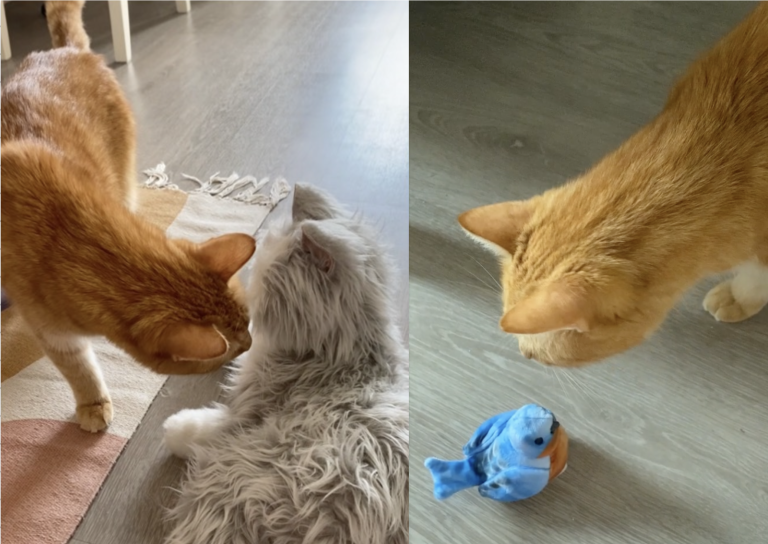
And honestly, it’s working better than we expected. When students walk into the room and notice the seal, they instantly look happier. Some head straight for their favorites, usually the seal or the Blob while others experiment, testing out the bird or discovering how oddly comforting the robo-cats can be. The change in the classroom’s vibe is instant. Instead of restless fidgeting, nervous tapping or clicking of pen, people are quietly stroking the fur of the robo-creatures.
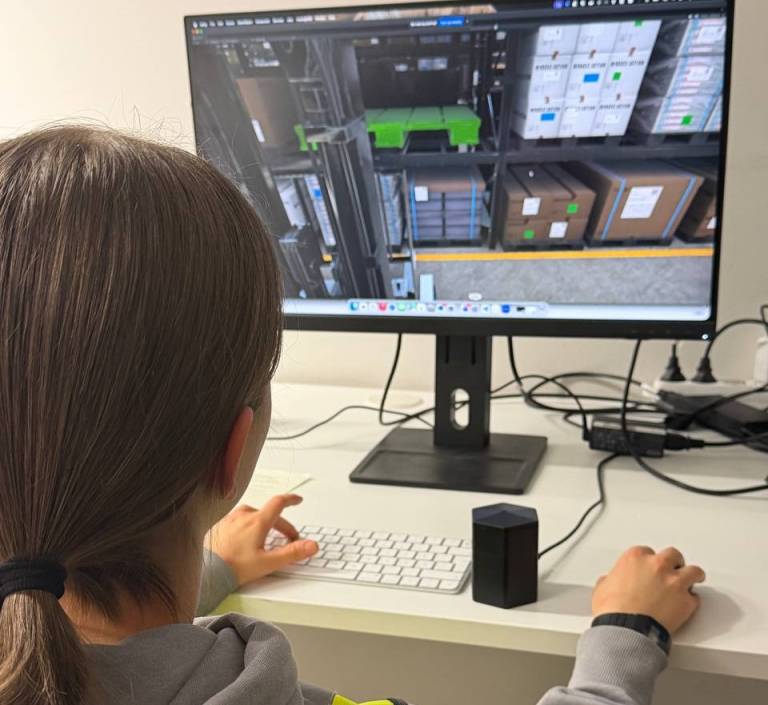
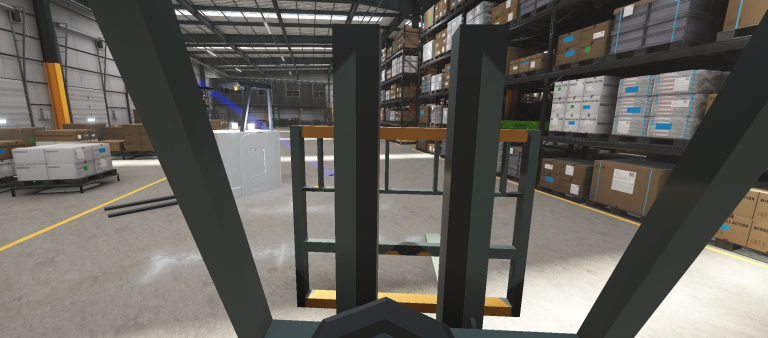
But there’s more to it than just comfort. The sneaky bonus of the Robo-Zoo is that while everyone is relaxing, they’re also learning something new about robotics. They’re experiencing a different side of robot design, robots that aren’t about efficiency, speed, or heavy lifting, but about presence, safety, calmness, and even companionship. That’s where things get interesting, as most of the robots we usually work with at Robostudio are what you’d call “hard robots” for example Spot the robot dog, Pepper, Reachy, or even industrial arms and warehouse AGVs. They’re strong, precise, and often a little intimidating, especially if you’re not used to them. Soft robots are the complete opposite. They’re approachable, squishy, and non-threatening. Holding a soft seal robot doesn’t feel like handling advanced technology. It feels like holding a soft and cute buddy.
And yet, that raises some tricky questions. If we make robots soft, cute, and comforting, are we fooling ourselves into treating them more like pets than machines? What happens if someone ends up relying on their robo-seal for emotional support more than on the people around them? Are soft robots blurring the line between tool and companion in ways we’re not fully prepared for? And would we still trust robots if they weren’t wrapped up in cuddly fur and friendly faces, or is softness basically a disguise that makes robots easier to accept?
So far, the Robo-Zoo has been a hit. Students focus better, feel less anxious, and actually enjoy the classroom more with a robo-animal by their side. For us, that’s a win. It makes the space feel more alive and more welcoming, even if the life here comes in the form of purring motors and fabric flippers. But it also leaves us wondering: is this what the future of robots will look like, soft, friendly, and built to comfort? Or are we tiptoeing into a strange new territory where we start bonding with technology more than with each other?
What do you think? Would you welcome a robo-animal on your desk, or does the whole idea feel a little too much like science fiction sneaking into everyday life?
There will be a study about this, too. Human-technology interaction student Marketta will explore the use and interaction of these fluffy robots in a highschool context. You will hear about this more once the study is done. Stay tuned!
Written by Veronika and Aino