

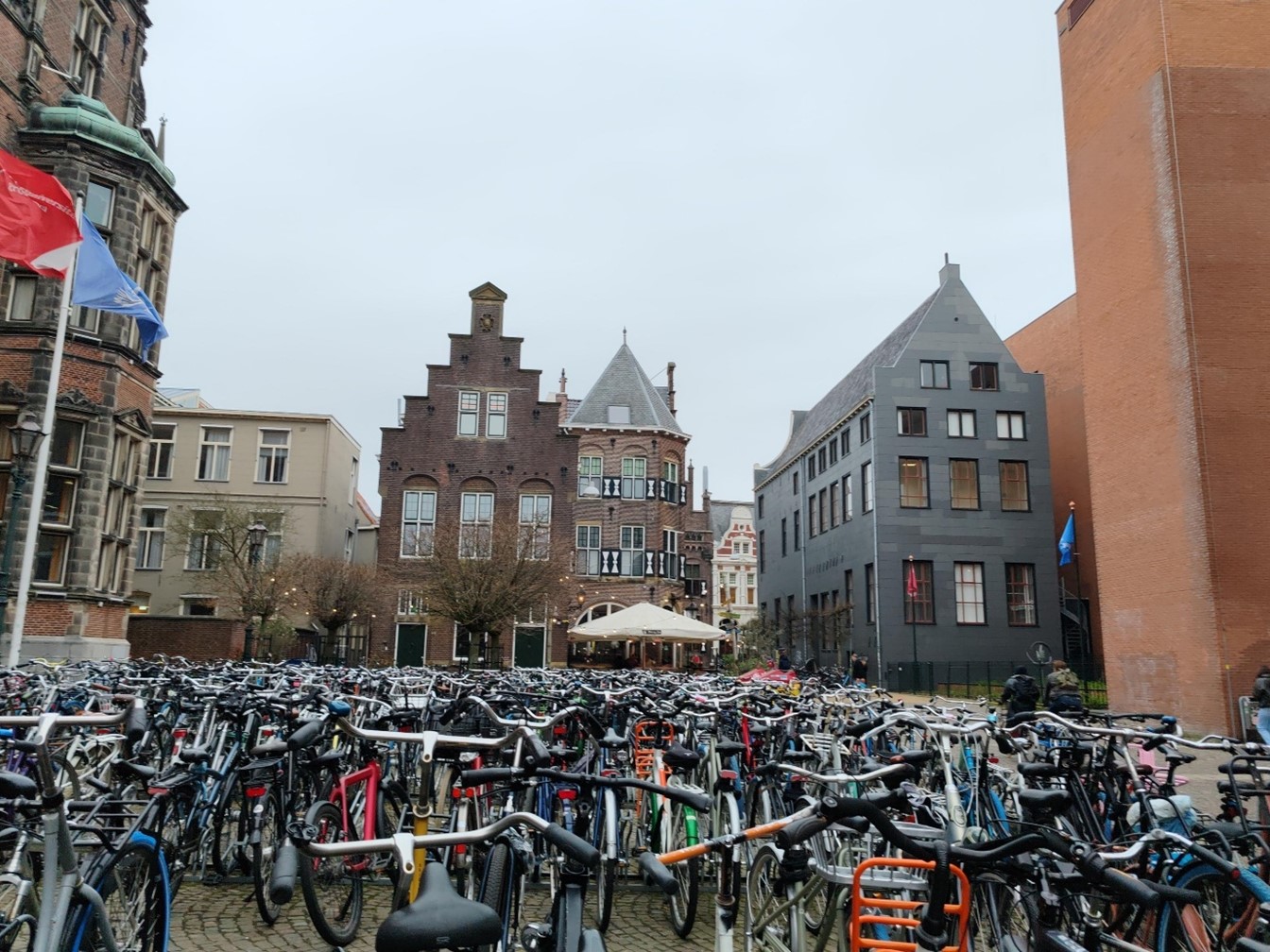
Hosted by Hanze University of Applied Sciences in Groningen, this Erasmus exchange brought together students from TAMK (Finland), ATU (Ireland), and Hanze/NHLS (Netherlands) and educators from respective countries. The study unit “AI and Education” was organized in terms of Blended Intensive Programme (BIP), which is a form of Erasmus-mobility that combines online learning with short-time exchange. On this study unit we explored together, how we can responsibly and creatively integrate artificial intelligence into our future classrooms. In this blog we, two vocational teacher students share our experiences on BIP-Journey.
Ready, steady… The virtual kick-off
Our exchange study journey didn’t begin at an airport, but first on a screen. Starting in mid-February, we kicked off our preliminary online classes. These virtual sessions were essential for building a shared foundation of the AI literacy, skills and critical attitudes we need as teachers in an AI-influenced world. We also got introduced to our new international classmates and team members who we would share the learning path with during the upcoming week.
During this phase, we weren’t just learning about algorithms, language models or vibe coding. We were forming international teams and collaborating on our first major milestone i.e., Concept Canvas. This digital foundation required us to ground our ideas in the AILIT framework, exploring critical topics such as bias in data and the ethical implications of AI. The AILIT framework is formed by European Commission and the Organization for Economic Cooperation and Development (OECD), which provides a foundation on AI literacy for primary and secondary education purposes. The framework is divided into three themes: knowledge on how AI works, skills on how to utilize AI and the attitudes towards AI. Ethical use of AI is overlapping the whole framework and all the three themes. (OECD, 2025). It was through these early team meetings and collaborative digital boards that we began turning AI from a trendy buzzword into a practical tool for which we could realistically use in our classrooms and teaching.
Touchdown in Groningen: The Intensive Week
After weeks of online preparation, we finally met in person for a physical intensive week in Groningen from March 23–27, 2026. We moved from virtual rooms to the Hanze UAS where discussion met practice and ideas became tangible. Excitement was in the air, and the room was soon full of conversation, greeting familiar faces and meeting new people in the beginning of the week. Getting to know the campus area and the facilities we were going to utilize during the week was one of the first challenges assigned to us. Exploring new premises and conducting small tasks with team members while getting to know the campus was an effective way to increase team bonding.
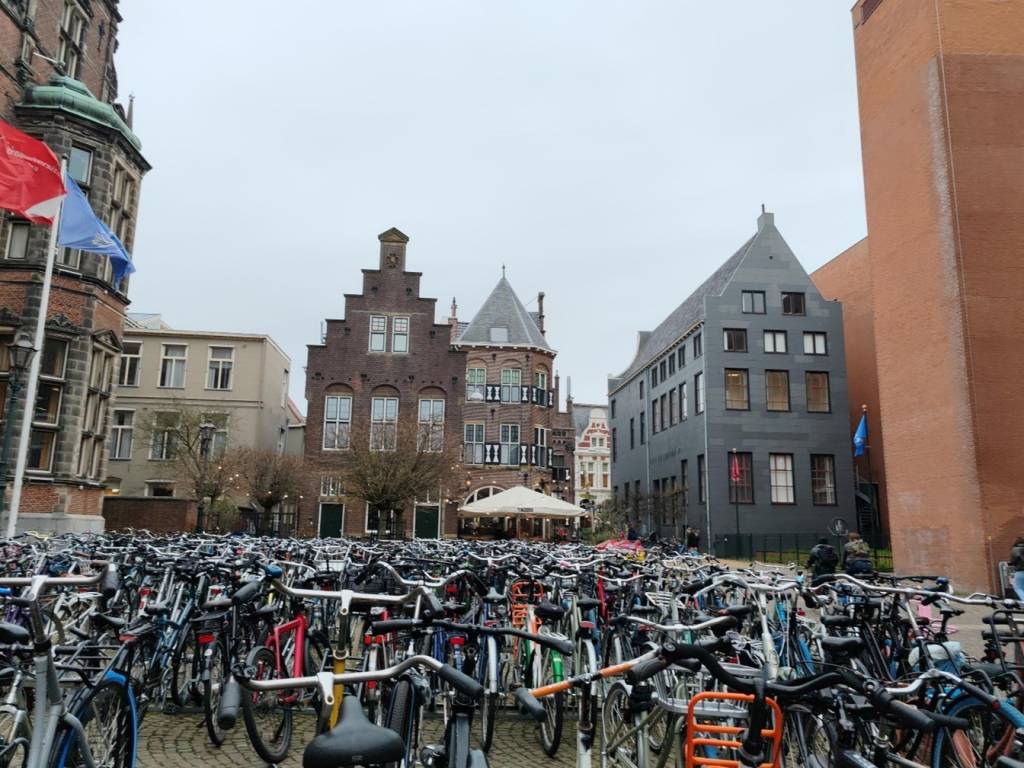
The week was full of activities including lectures, discussions, teamwork, and maker sessions. Moving from the idea to practice, we used physical materials and digital tools to build interactive exhibits. We visited the Stadlyceum in Groningen to see innovative STEM education in action. The visit and seeing the students’ inspiring project work results provided an interesting example on how curious exploring, design thinking and problem solving can enhance one’s learning. This was pedagogically well aligned with how collaborative learning was facilitated throughout the entire BIP course.
The importance of social and intercultural activities in international student mobility and co-operation can’t be understated. Groningen really served its best in our free time as well. Beyond the classroom, we explored the vibrant, bike‑friendly city of Groningen, climbing the Martini Tower and experiencing the youthful energy of this historic student town. We also spent time at Forum Groningen, often described as the “living room of the city,” a dynamic public space where people come together to learn, meet, and exchange ideas, reflecting the city’s strong culture of openness and lifelong learning. One particularly memorable experience was a guided walking tour of the historic city centre led by one of the teachers from Hanze, which offered valuable insight into local history while creating space for informal discussion and connection. We were also introduced to local delicacies during a cheese tasting and enjoyed a final dinner together.
The Grand Finale: The Interactive AI Literacy Exhibition
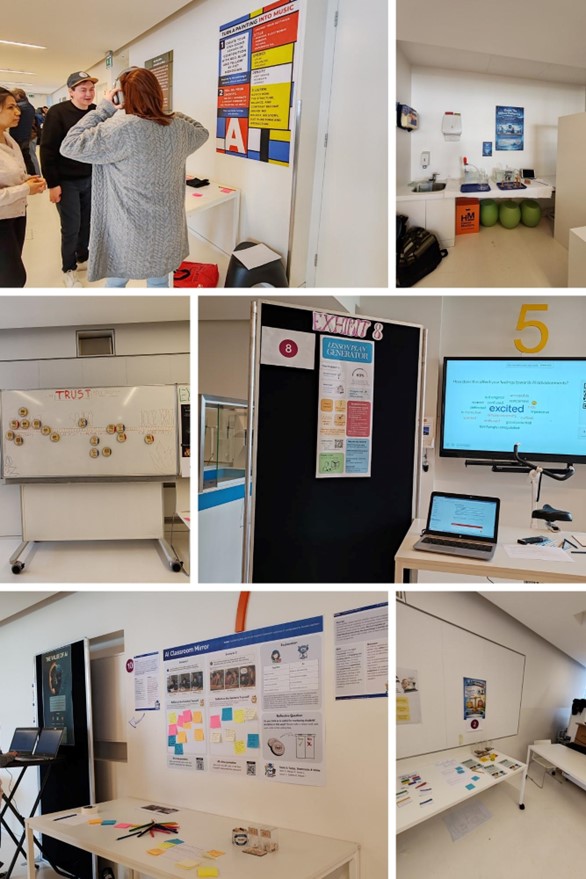
The highlight of the week was our Interactive Pop-up Exhibition on Thursday, March 26, coinciding with Hanze Digital Literacy Week. We designed altogether 12 distinct exhibits meant to engage visitors, students, staff, and the public in a dialogue about AI. During the Programme all the team managed to plan and implement at least two different functional exhibit pieces to educate the visitors about AI.
At least one exhibit from every group had to include a physical element, ensuring that our visitors weren’t just looking at screens but were tangibly interacting with AI concepts. Whether it was a game-based experience about hidden rules in AI decision-making or a simulation of AI-supported creativity, AI- supported lesson planning or a demonstration on the AI’s consumption of water, we saw our guests experience moments as they navigated the complexities of digital literacy and the increasing use of AI. All the exhibitions demonstrated different functional and ethical aspects of AI, which encouraged the visitors to reflect and discuss the topic from their own perspectives.
Growing together as Future Educators, we wrapped up the week on Friday with group presentations, reflecting on our design process, the feedback we received, and our growth in intercultural collaboration. Working in international and interdisciplinary teams, we addressed an AI‑related challenge while demonstrating intercultural awareness, professional communication, and shared problem‑solving. AI is constantly evolving technology, but the programme provided us the confidence to explore it and the awareness to also address the ethical questions of AI and education.
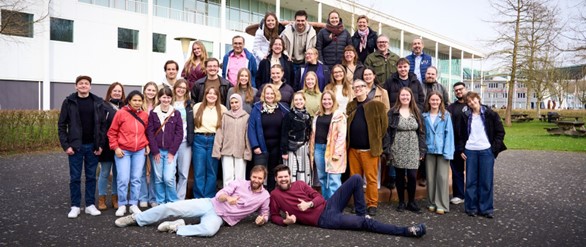
The BIP AI & Education was about more than just earning credits. It was about building an international community of learners. We leave this programme not just with better technical skills, but with new friendships across Finland, Ireland, and the Netherlands. In the beginning of the virtual phase, we were a bunch of AI-curious strangers, but by the end of the week we had turned to be friends. The process which started online and culminated to the intensive week brought us together and turned into a lifelong memory. Most importantly, we gained a deeper understanding of how we, as future teachers, can shape a more responsible, creative, and human-centred approach to AI in our classrooms and in our own teaching practices.
On a final, positive note – Groningen, don´t be surprised if we return for future endeavours.
Binu Acharya 25VE2 & Hanna Korpua 25TA
References:
OECD. (2025). Empowering learners for the age of AI: An AI literacy framework for primary and secondary education (Review draft). https://ailiteracyframework.org/wp-content/uploads/2025/05/AILitFramework_ReviewDraft.pdf

Kommentit