
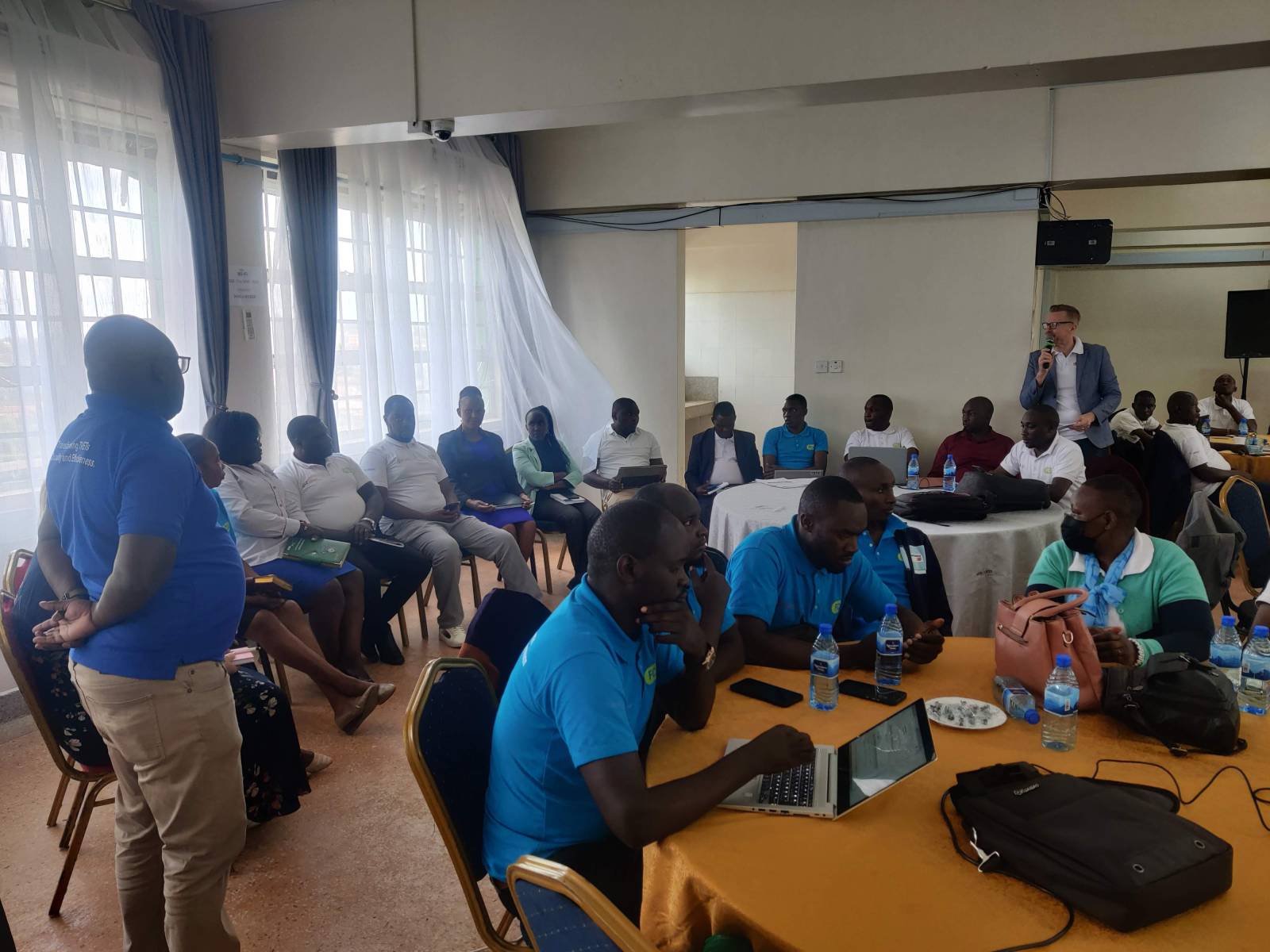
Teams from institutions such as Michuki National Polytechnic, The Nyeri National Polytechnic, Mathenge TTI, Mukurwe‑ini TTI and Ndia TVC led lively demonstrations of modern teaching technologies, followed by Q&A and roundtable discussions on individualization—evidence of a learning community that is active, reflective, and keen to iterate.
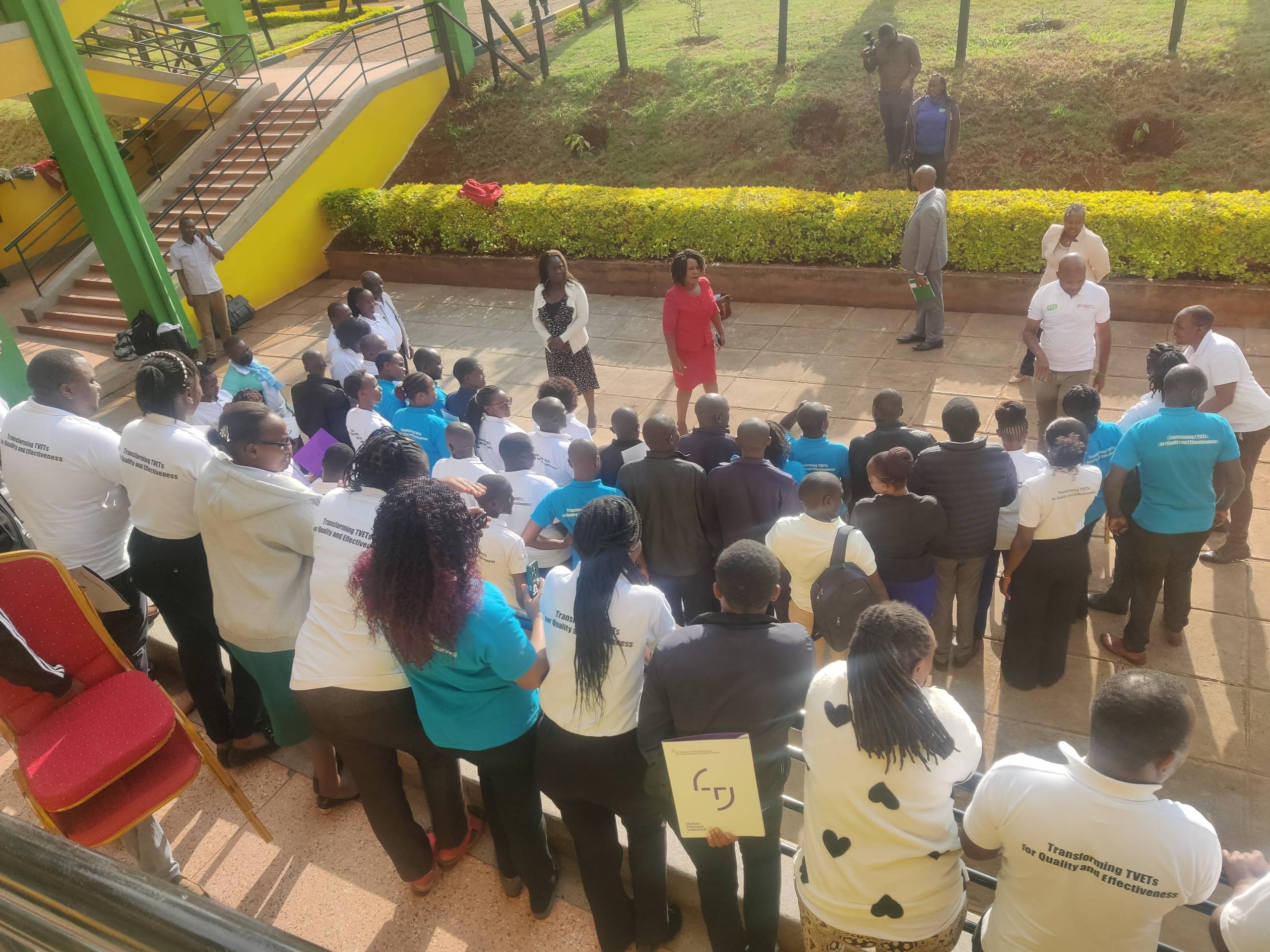
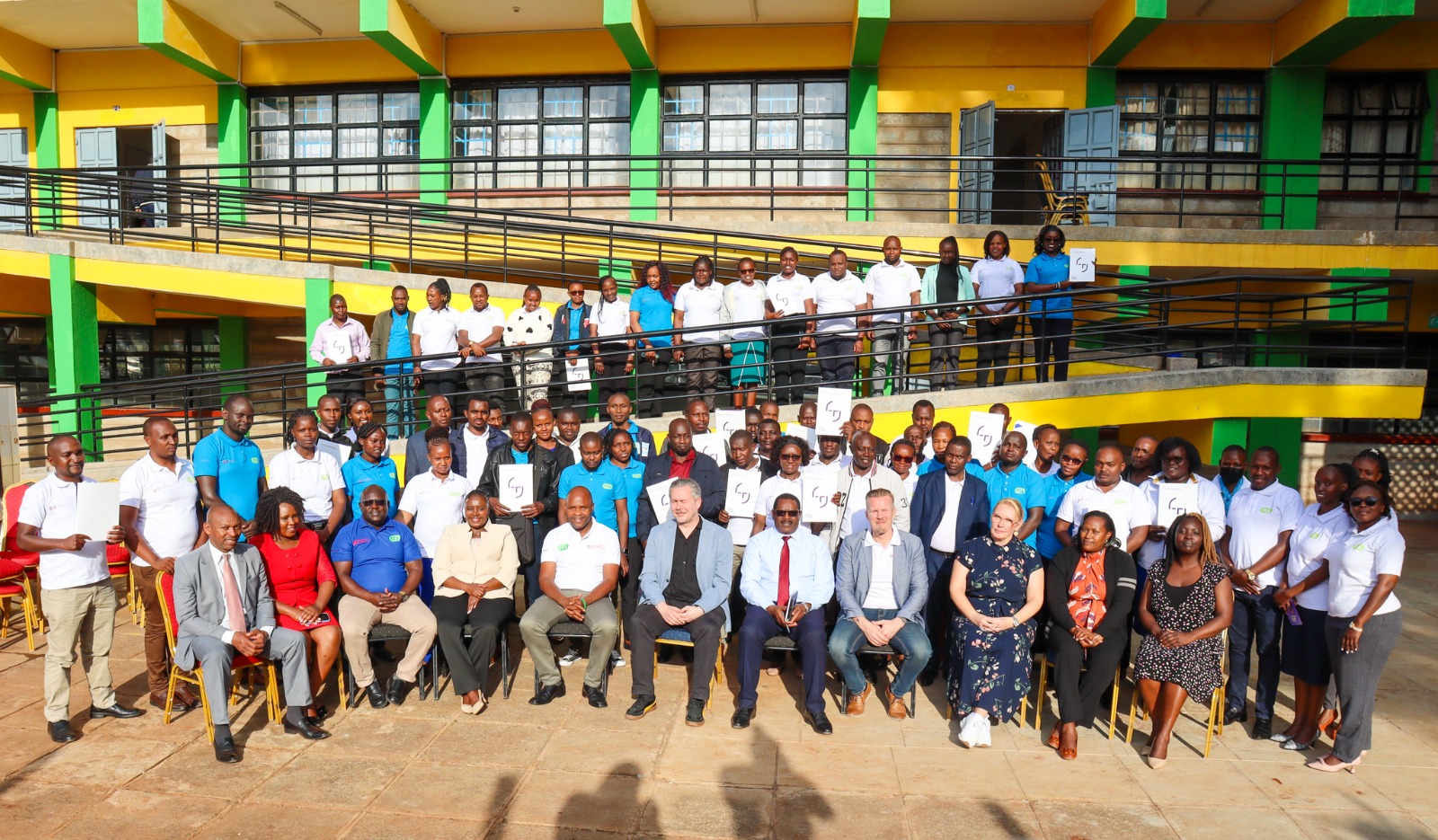
The day also featured two anchor moments: a keynote on the project’s thematic pillars by Gerald Abele from Finn Church Aid and a joint TAMK session on AI as a game‑changer for working life and TVET—both setting an ambitious horizon for how pedagogy, technology, and employability connect. The seminar closed with the awarding of course diplomas to participating educators, underscoring achievement while inviting the next phase of professional growth.
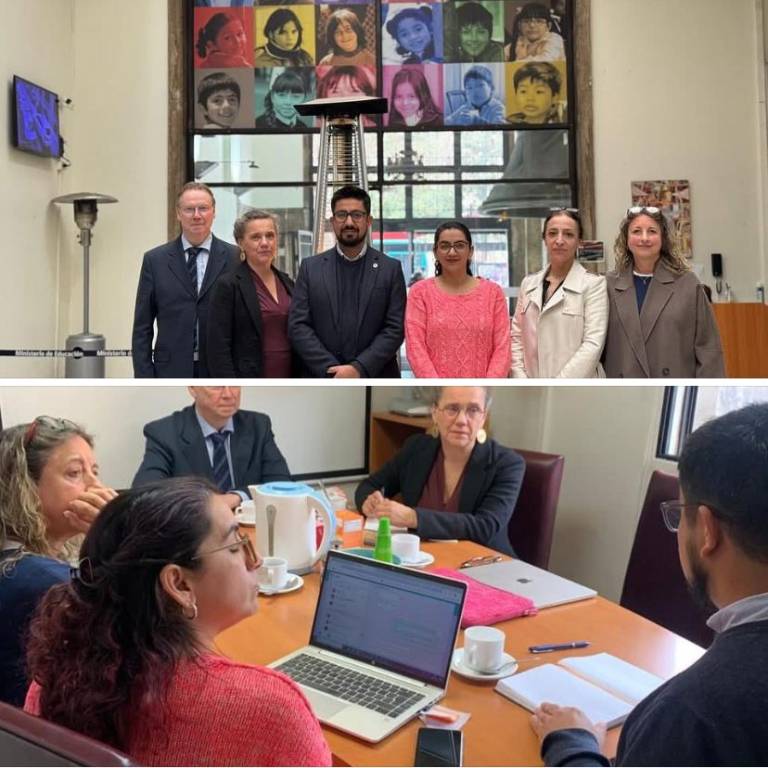
In Nairobi, we continued discussions with Kenya School of TVET and GIZ (Deutsche Gesellschaft für Internationale Zusammenarbeit) to explore concrete next steps—partnership formats that can keep momentum strong after this project concludes. These engagements were intentionally practical: clarifying shared interests, scoping collaboration avenues, and preparing pathways for implementation.
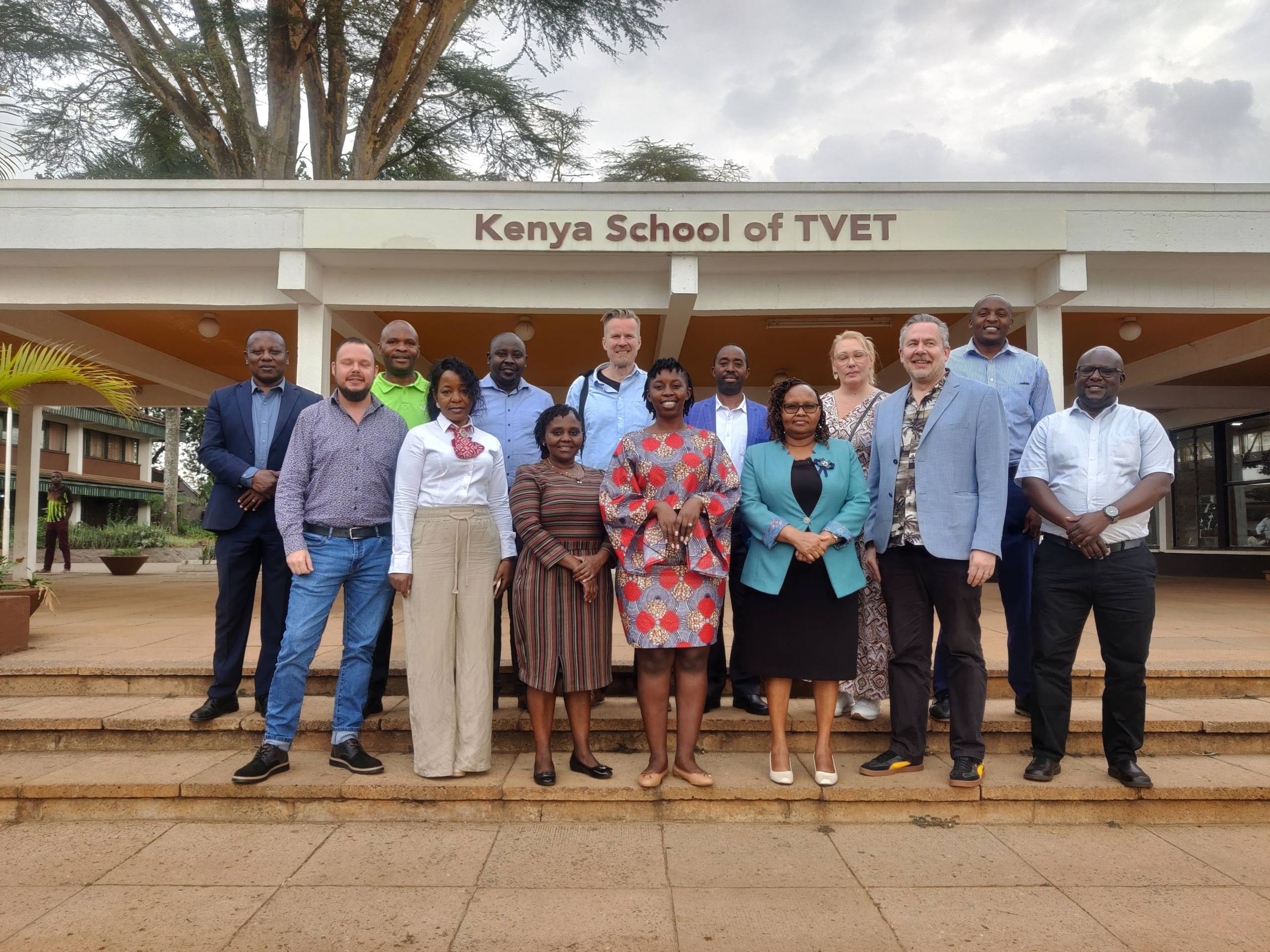
One key success factor throughout this journey has been the excellent collaboration with Finn Church Aid (FCA). Their commitment and coordination have been instrumental in making this project impactful and forward‑looking.
As we emphasized during the seminar, TVET educators remain the heartbeat of quality in our institutions. Retooling and empowering trainers is not just important—it is imperative. Their initiative—peer‑to‑peer demonstrations, rich questioning, and open exchange—showed exactly the professional posture our graduates need to encounter: curious, collaborative, and future‑focused. This aligns with reflections from our earlier visit captured in the TAMK blog, Youth employment and TVET in Kenya: progress and future, and it sets the tone for what comes next.
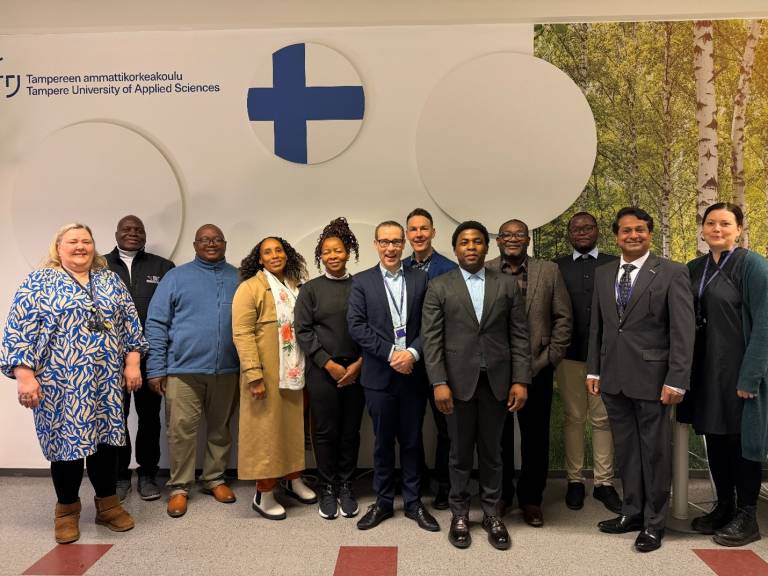
Thank you to our partners and colleagues in Kenya for the excellent spirit, especially Mr. Gerald Abele, whose contribution has been crucial. And warm thanks to the TAMK team on this visit—Dr. Jiri Vilppola and Miia Shemeikka Okello—for advancing the dialogue and keeping the focus where it matters most: on empowering trainers to shape employable, future‑ready graduates.
Written by: Ville Palkinen, TAMK