
Inclusive education is widely recognized as a cornerstone of equitable and sustainable societies. The EU4Inclusive Teaching project represents a comprehensive, system-level effort to strengthen Albania’s pre-university education system by embedding inclusive, competence-based, and learner-centred approaches across schools nationwide.
Project Overview and Duration
The project is implemented between February 2022 and January 2026, with a total budget of €2.3 million. It is funded by the European Union and implemented by the Open Society Foundation for Albania (OSFA), Tampere University of Applied Sciences and Tampere University, in close cooperation with Albania’s Ministry of Education and Ministry of Finance.
Objectives
The core objective of EU4Inclusive Teaching is to strengthen Albania’s pre-university education system by making it more inclusive, equitable, and competence-based. The project places particular emphasis on ensuring access to quality education for children with disabilities and those from disadvantaged backgrounds, thereby addressing systemic inequalities within the education sector.
Key Impacts
The project has already generated significant national-level impact:
- The establishment of a nationwide network of trained teachers promoting inclusive pedagogical practices.
- The modernisation of psycho-social support systems in schools.
- The empowerment of students with disabilities through accessible learning environments.
- The transformation of two specialised schools into National Resource Centres, enhancing their role as hubs of expertise.
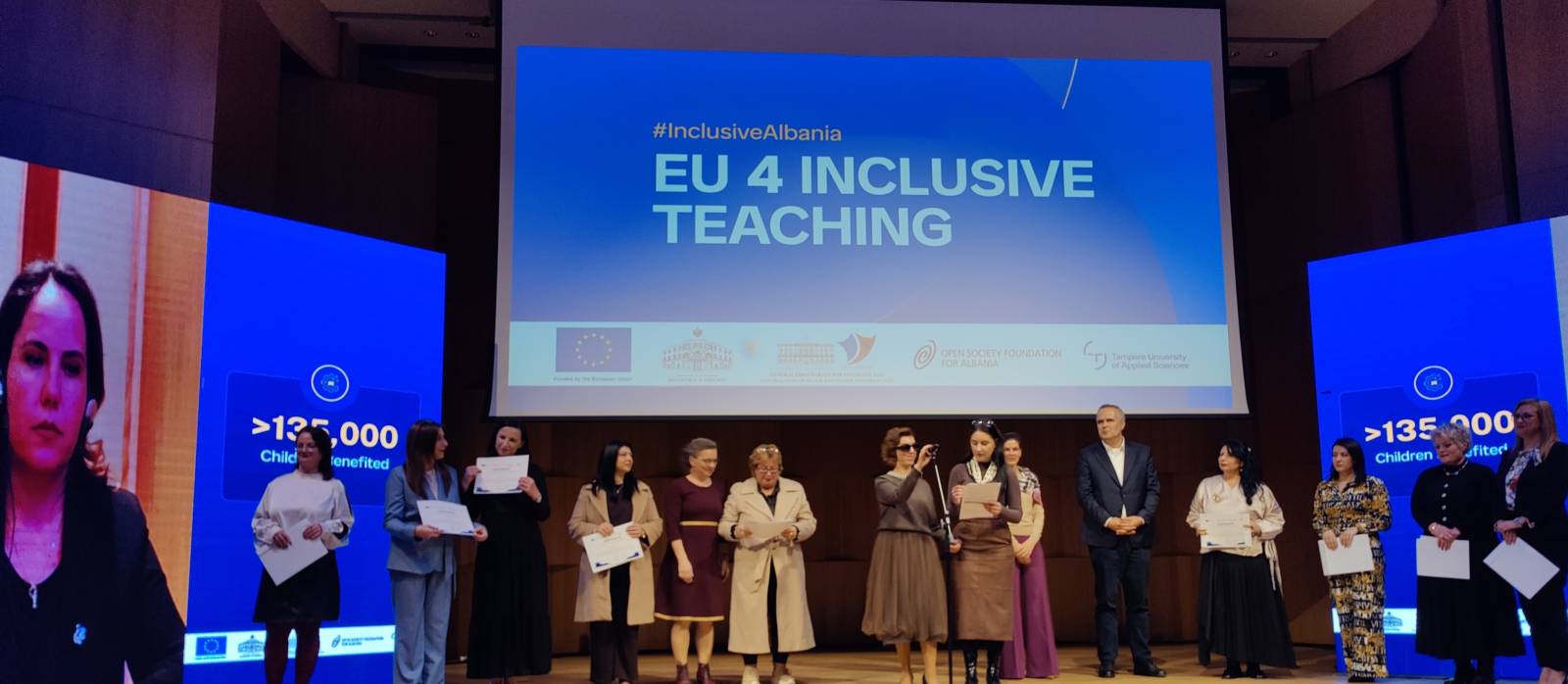
To date, over 135,000 children have benefited from inclusive and modern learning opportunities supported by the project.
Developed Results and Innovations
Teacher Training and Professional Development
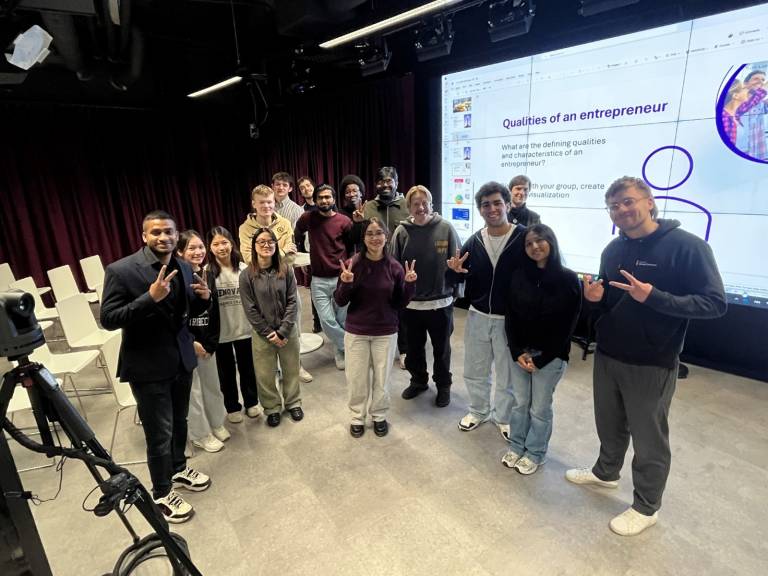
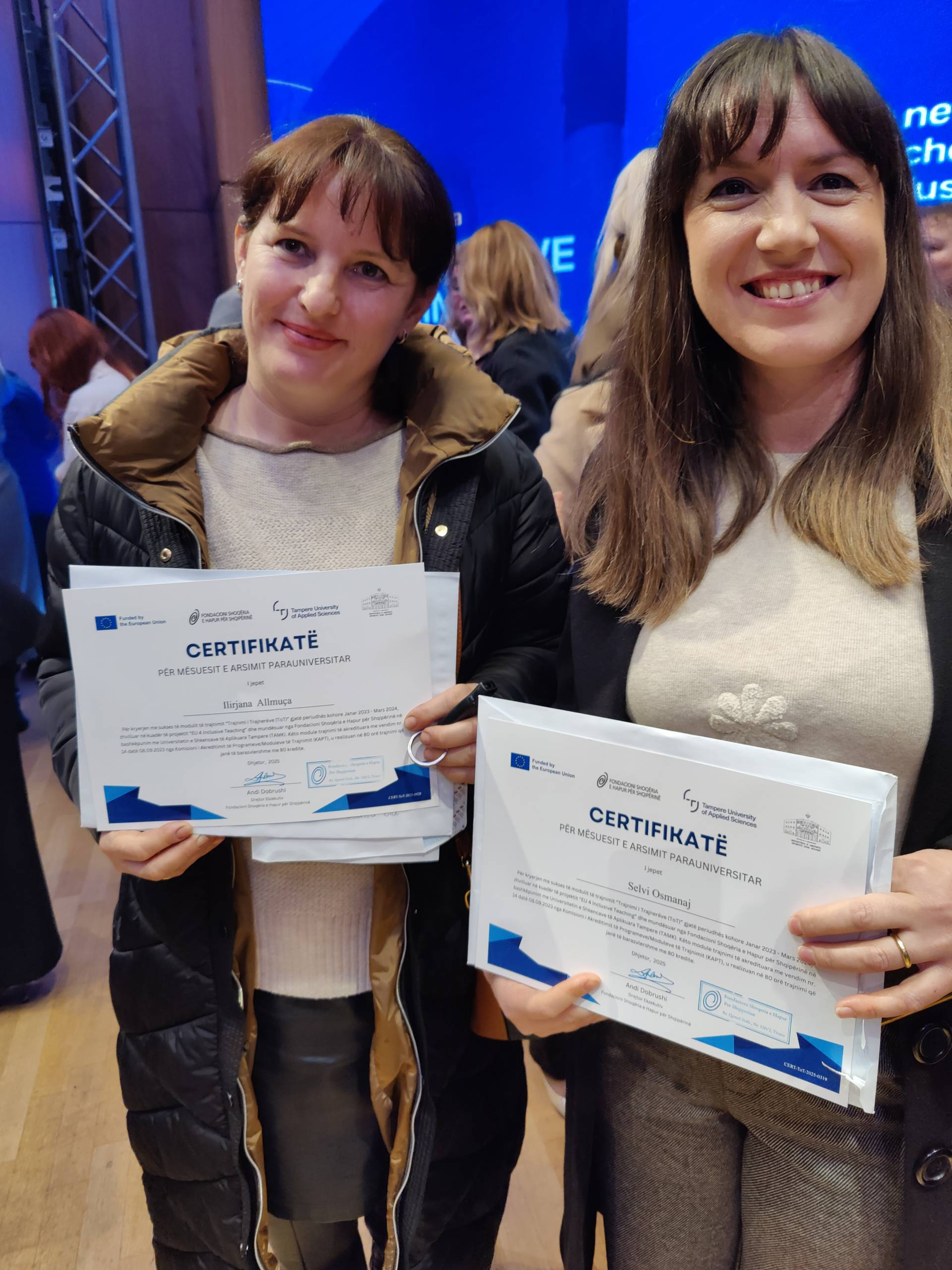
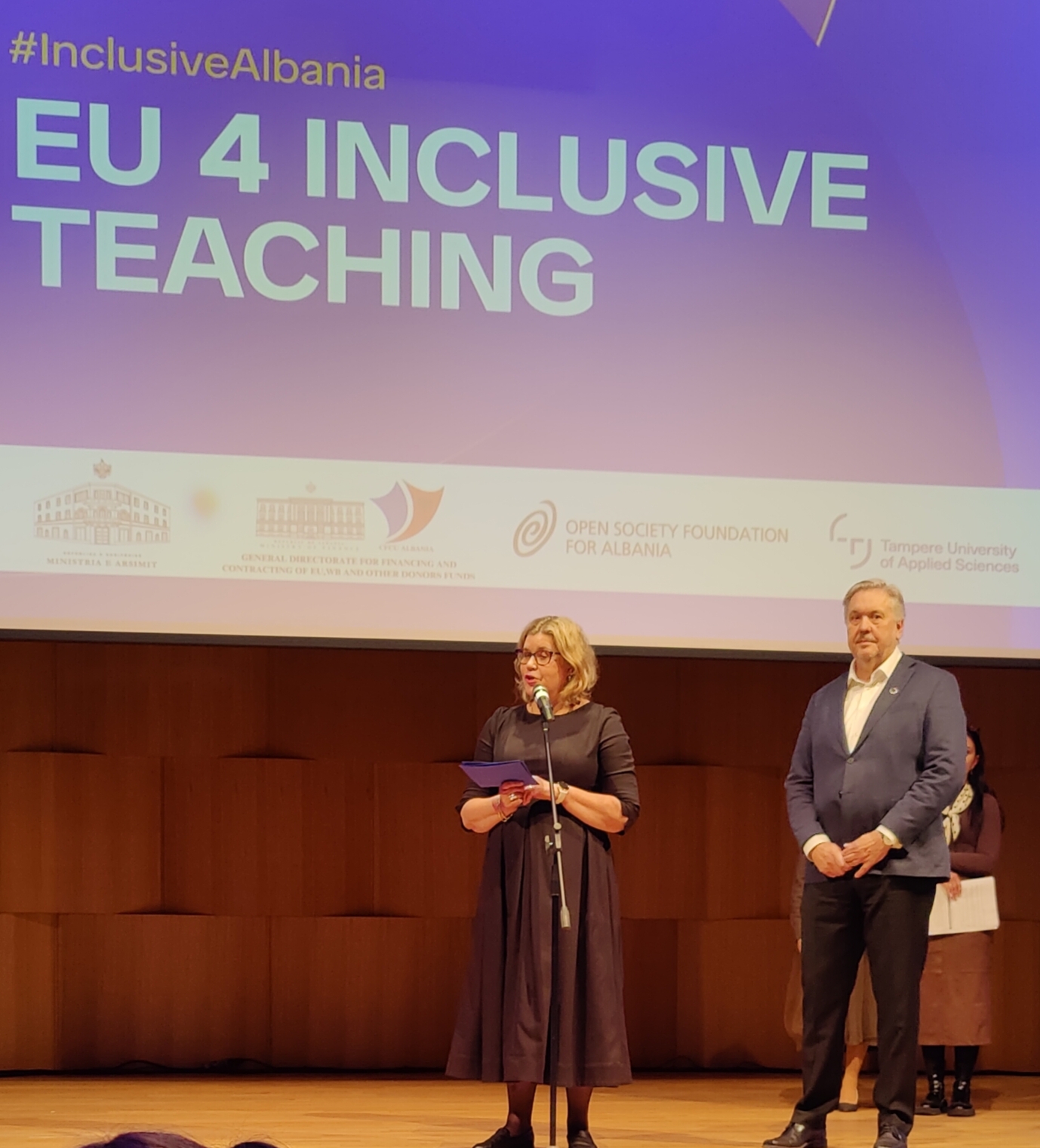
A structured training-of-trainers model has been implemented, resulting in 348 certified trainers and 15,000 teachers trained nationwide through accredited modules and online learning. Finnish pedagogical practices have been adapted to the Albanian context, strengthening teachers’ capacity for inclusive instruction. The Finnish experts spoke about meaning and impact, emphasizing how the world can be changed by starting in classrooms and why this requires teachers who are up to date and capable of imagining the future, as well as about community, collaboration, and shared, research-based steps toward more inclusive education.
Digital Innovation
Digital tools play a central role in scaling impact. The project has developed a Teacher Learning Platform (TLP) and a mobile application supporting interactive, self-paced training. In addition, digital platforms have been introduced to support accessible learning for children with disabilities.
Psycho-Social Support Infrastructure
A total of 550 psycho-social service cabinets have been refurbished and equipped with ICT tools. Furthermore, the ASEBA diagnostic tool (a questionnaire system that maps the challenges and strengths of children, young people and adults in their emotional life, behaviour, social functioning and strengths) has been localized and introduced in the Albanian language significantly enhancing schools’ capacity to identify and support students’ socio-emotional needs.
Transformation of Special Schools
The Institute for Deaf Children has been equipped with audiometry and photography rooms, ICT tools, and sign language training. Renovated classrooms, new teaching methodologies, trained staff, and enhanced communication practices have enabled students to learn more effectively and express themselves with greater confidence. As Institute Director Ms. Orjola Idrizi noted, the project delivered not only infrastructure and equipment, but also trust, opportunity, and professional renewal.
The Institute for Blind Children has been strengthened through the provision of audiobooks, Braille materials, adaptive classrooms, and digital platforms, supporting a shift from segregated provision toward inclusive resource-based expertise. According to Institute Director Mr. Emiljano Lule, access to information is foundational to independence. Teacher training in modern assistive technologies and the launch of a new mission to train assistant teachers nationwide mark a significant step toward sustainable inclusion.
Conclusion
EU4Inclusive Teaching demonstrates how coordinated investment in teacher competence, digital innovation, psycho-social support, and institutional transformation can produce sustainable, system-wide change. The project offers a transferable model for inclusive education reform, positioning Albania as a regional example of evidence-informed and equity-driven educational development.
Text: Jukka Kemppi, Senior Lecturer, Pedagogical Innovations and Culture, TAMK
Pictures: Jukka Kemppi, Senior Lecturer, Pedagogical Innovations and Culture, TAMK