Funded projects make a valuable contribution to TAMK. Alongside them, staff advance TAMK’s vision through international relationships, teaching initiatives, networks and public representation. How might we make these contributions more visible?
The rapidly changing security environment, accelerating technological development, and growing resilience requirements are reshaping priorities across Europe. Universities and universities of applied sciences are increasingly expected not only to educate future professionals but also to contribute to innovation, preparedness, and societal resilience. Against this backdrop, the NATO Science & Technology Organization (STO) has published its 2026 Collaborative Programme of Work (CPoW), offering valuable insight into the research themes and technological capabilities that are expected to shape the future of security, defence, and resilience.
The Finnish Ministry of Education and Culture published a new vision for higher education and research in June 2026, setting the direction for Finland’s future competitiveness, wellbeing, and skills development. [okm.fi] The core message is clear: education, research-based knowledge, and competence are the foundation of Finland’s success.
Europe’s security environment has changed rapidly in recent years. Climate change, extreme weather events, major accidents, cyber threats and geopolitical crises are increasingly visible also in Europe and Finland. In response to these challenges, the EU has strengthened the EU Civil Protection Mechanism (UCPM) – a framework that also offers significant funding opportunities for higher education institutions, including TAMK.
TAMK Safety and Security recently took part in an information and discussion event organised by Business Tampere and the Tampere higher education community, focusing on the current needs of the security and defence industries and the opportunities to innovate sustainable solutions and business.
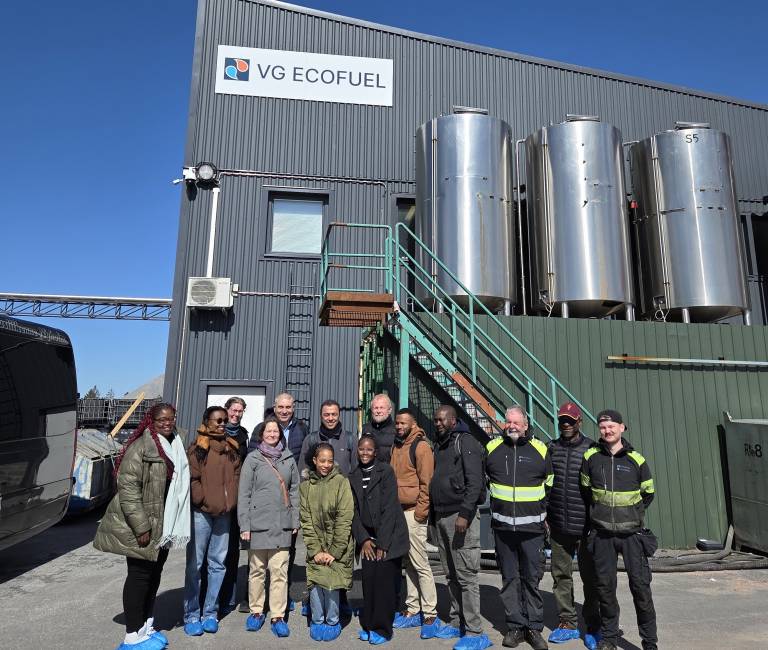
From late April to early May 2026 delegation of nine Namibians, university students and staff, visited Turku and Tampere to learn about circular economy business and technology solutions, education and research examples as well as the role of cities as an enabler of circular economy. One key take away was the importance and effectiveness of multisectoral collaboration witnessed in Finland. While context in Namibia differ from that of Finland, increased multisectoral collaboration is an adaptable model to help support circular economy development in Namibia as well. This was highlighted in the feedback asking what the visitors had learned about circular economy in Finland.
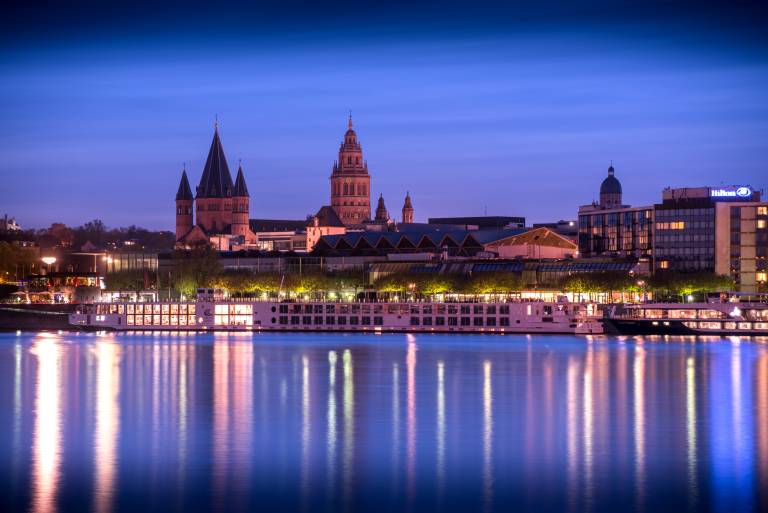
In May 2026 (17–21 May), I conducted a study visit to Mainz, Germany, with the objective of examining vocational teacher education and inclusive pedagogical practices in the federal state of Rhineland-Palatinate. This study visit to Mainz was part of an Erasmus+ Staff Mobility for Training exchange. It was based on a reciprocal collaboration between Tampere University of Applied Sciences (TAMK) and the Studienseminar Mainz. One week before my visit, two experts from the Studienseminar visited TAMK to learn about Finnish vocational teacher education and the Finnish education system.
The green transition is not just about improving energy efficiency or reducing emissions. As industrial processes become increasingly digitalized and automated, machine safety takes centre stage—not only to protect workers but also to ensure sustainable development. Safe machines and processes minimize material waste, extend equipment lifespan, and prevent environmental harm. This is why machine safety and cybersecurity are critical pillars of the green transition. These themes were the focus of the first industry workshop organized under the Ohite project.