

When discussing the impact of entrepreneurship education, the focus is often on whether participants go on to start their own businesses. In reality, the benefits can be much broader. Young adults can gain greater self-confidence, strengthen their working-life skills, develop international competences, and become more confident in pursuing new opportunities. These are increasingly valuable capabilities in today’s working life, regardless of whether participants ultimately choose entrepreneurship as their career path.
Entrepreneurial skills are best developed through practice, interaction, and real-life learning experiences. The European Commission’s EntreComp framework highlights initiative, collaboration, creativity, and the ability to identify opportunities as important foundations for entrepreneurial action (Bacigalupo ym., 2016). Networks are equally important: they can provide valuable knowledge, new contacts, and opportunities that support both starting and developing a business.
Succeed in Business training programme
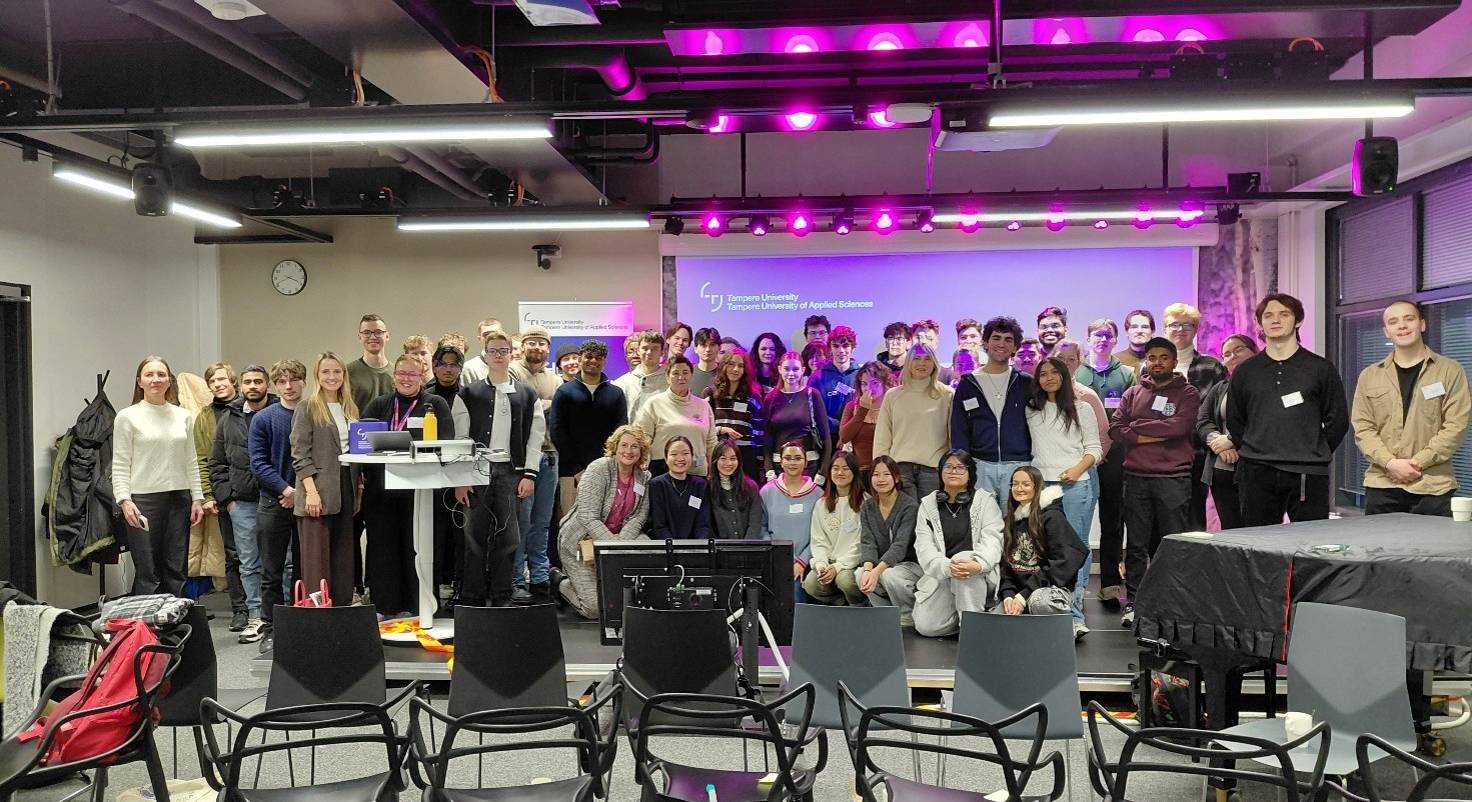
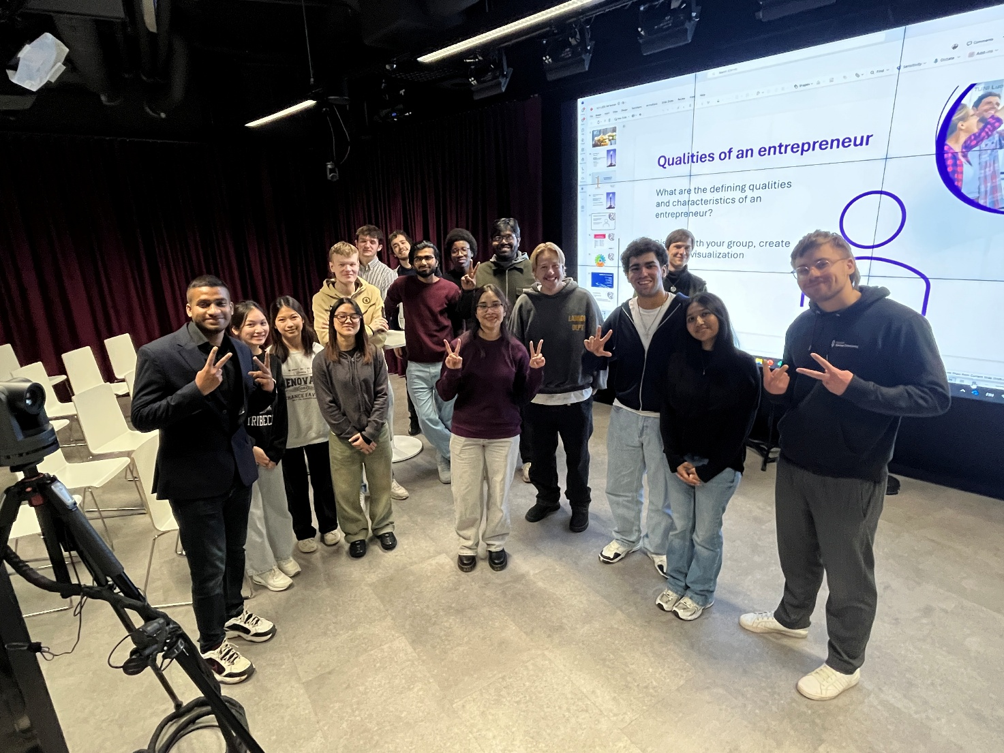
The Succeed in Business project (2024-2026), implemented in collaboration between partners from Finland, Estonia and Latvia, delivered entrepreneurship training for young adults in two rounds (2024-2025 and 2025-2026). The course combined the development of entrepreneurial competencies with practical learning, international experiences, and networking. Feedback from the two rounds provides valuable insights into what students found successful and which aspects of the training could be further developed.
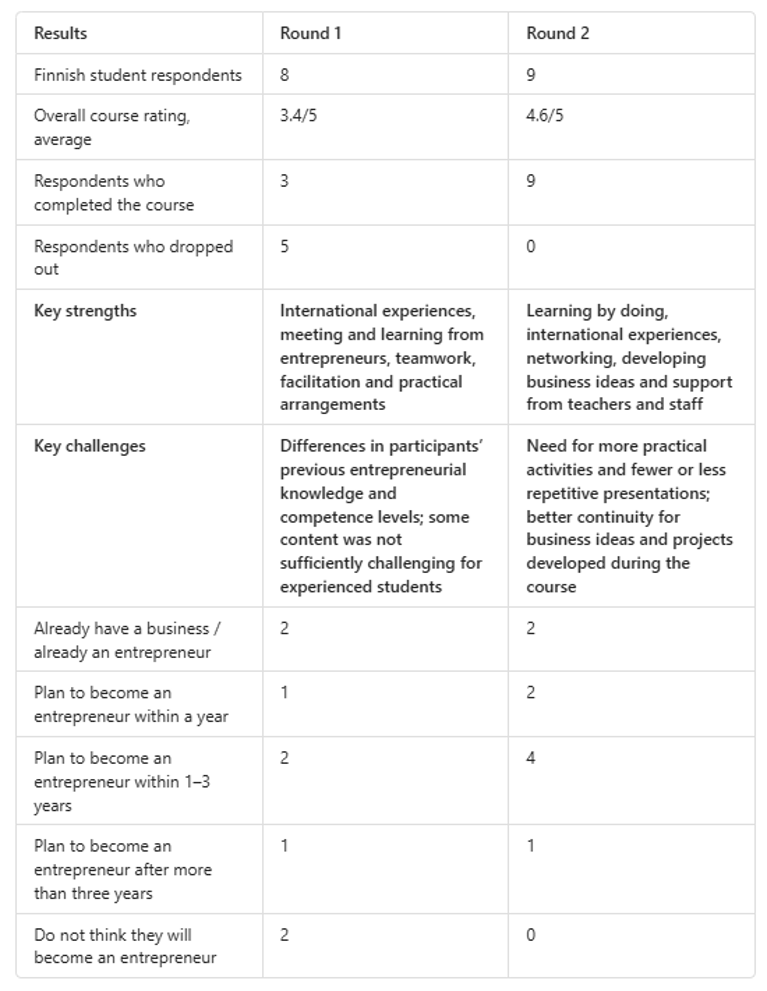
This review focuses on student respondents from the Finnish group. A total of 16 students participated in the first round, with 10 completing the course. In the second round, 21 students participated and 20 completed the course. Eight students responded to the first-round feedback survey and nine to the second. In Round 1, three respondents had completed the course and five had dropped out, whereas all nine Round 2 respondents had completed it. The results presented in this blog reflect views and experiences of the survey respondents.
Students’ overall rating increased from approximately 3.4 out of 5 in Round 1 to 4.6 in Round 2. In the second round, six of the nine student respondents gave the course the highest overall rating of 5.
International experiences and learning by doing motivated students
In both rounds, students highlighted international experiences, meeting new people, travelling, teamwork and learning from entrepreneurs as strengths of the course. In Round 1, students valued opportunities to meet entrepreneurs from the participating countries and learn about their experiences. Facilitation and practical arrangements also received positive feedback.
“The most valuable part for me is to meet and talk with entrepreneurs from all three countries and see how they build up their businesses, which was very inspiring.”
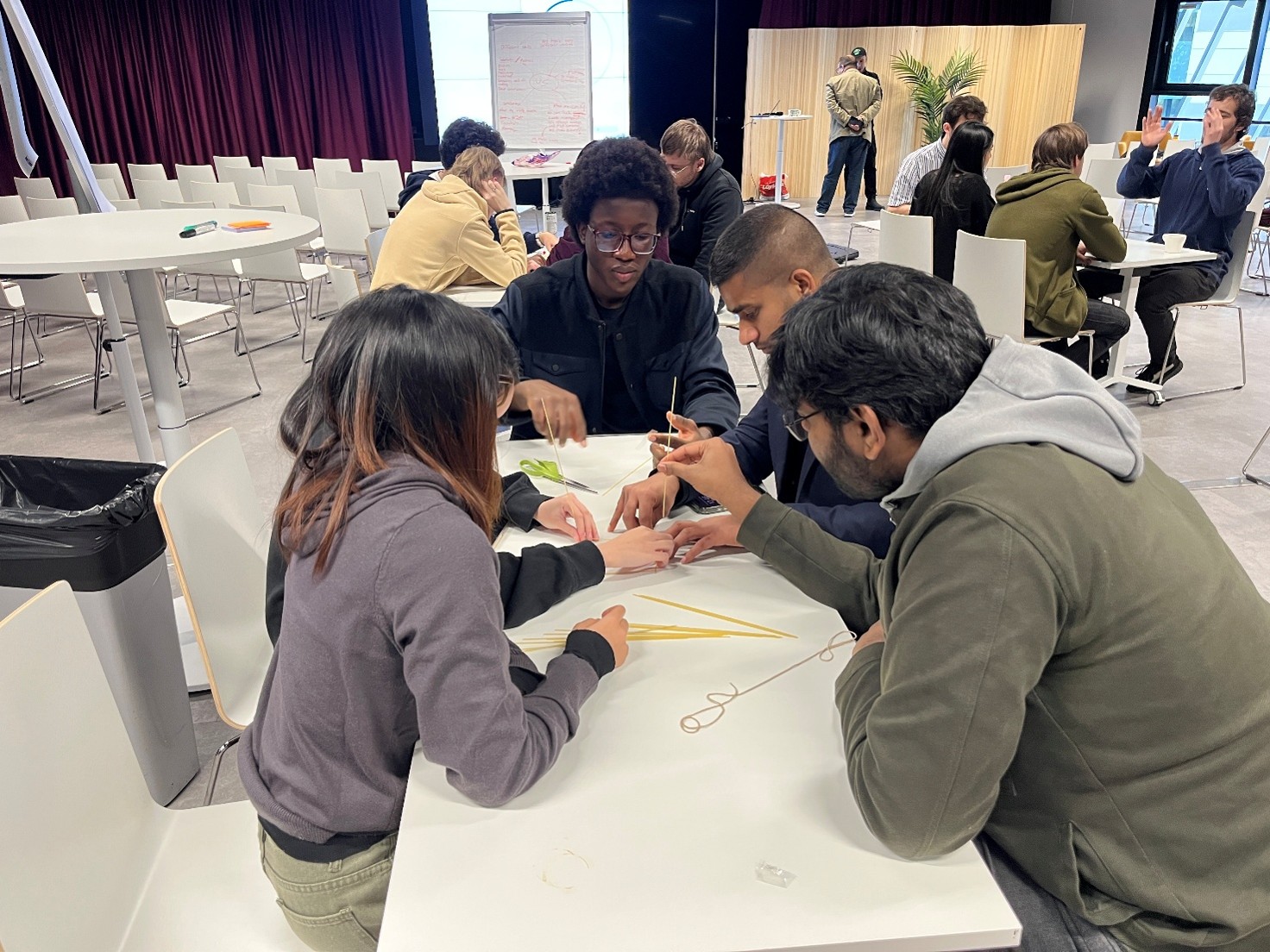
Learning by doing became particularly visible in the Round 2 feedback. For one student, developing an MVP (Minimum Viable Product) based on a business idea was one of the most rewarding elements of the course, and the student planned to continue developing the idea after the course. The feedback also demonstrated links between the training and actual entrepreneurship: one respondent reported having started a business activity together with others and considered the course to have played an important role in this process.
“I really liked it and I learned a lot.”
An appropriate level of challenge supports engagement
One of the main development needs identified in Round 1 concerned differences in participants’ previous entrepreneurial knowledge and experience. For students who had already studied entrepreneurship, some of the course content was familiar and not sufficiently challenging. One respondent felt that some students from Finnish group occasionally had a mentoring role rather than being equal partners in peer learning and networking. Reasons for dropping out also included lack of time and moving abroad.
Differences in competence levels were not highlighted in Round 2. Instead, students´ suggestions for further development focused on practical activities, reducing the number and repetition of presentations, and providing better opportunities to continue developing the business ideas and projects they had already started.
Motivation to complete the course was linked to an interest in entrepreneurship and business, a desire to develop skills and gain new knowledge, international experiences, travelling, new friendships and support from teachers and coaches.
Entrepreneurship became a more tangible future option
In Round 1, two of the eight Finnish student respondents were already entrepreneurs. Three considered entrepreneurship possible within the next three years, while two did not think they would become entrepreneurs.
In Round 2, all nine Finnish student respondents were either already entrepreneurs or considered entrepreneurship a possible option in the future. Two already had a business, two expected they might become entrepreneurs within a year, and four indicated a timeframe of one to three years.
One participant expressed their future ambition very clearly:
“I want to have my own company in the future as an entrepreneur.”
Taken together, the feedback from the two rounds conveys a clear message: entrepreneurship becomes meaningful when young adults have opportunities to experience it in practice. International encounters, learning from entrepreneurs, developing one’s own business idea and working with peers can make entrepreneurship more concrete and accessible. At the same time, successful entrepreneurship training requires an appropriate level of challenge, sufficient opportunities for practical learning and participants who can genuinely learn from one another.
The experiences from the Succeed in Business project suggest that one of the greatest values of entrepreneurship education may lie in enabling young adults to learn, collaborate, and build connections across borders. At the same time, they create networks that can continue to provide value long after the training programme has officially ended.
Lähteet:
Bacigalupo, M., Kampylis, P., Punie, Y. & Van Den Brande, L. (2016) EntreComp: The Entrepreneurship Competence Framework. Publications Office of the European Union. https://data.europa.eu/doi/10.2791/593884
Author: Päivi Heimonen, Principal lecturer, Tampere University of Applied Sciences
Photos: Päivi Heimonen