
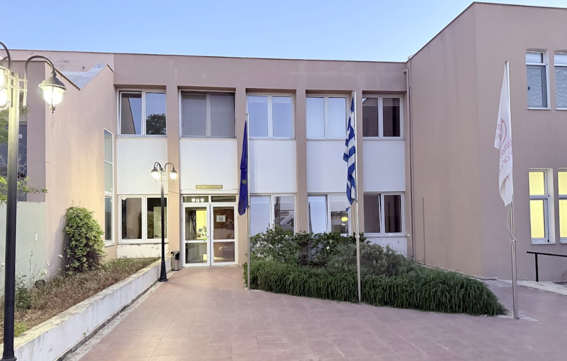
The programme brought together 13 professionals from across Europe, offering a truly international learning environment. The programme was based on a workshop-oriented approach that emphasized active participation, collaboration and the sharing of experiences between organizations. A central theme of the week was exploring the role of artificial intelligence in supporting creativity and professional work. Participants were introduced to a variety of AI tools for ideation, content creation and collaboration. In particular, digital storytelling was used as a practical framework for applying these tools, combining text, images and other media into creative outputs.
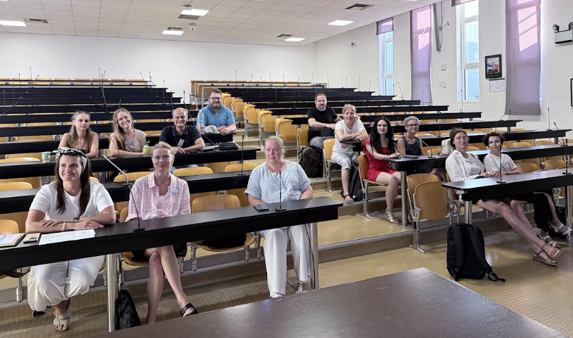
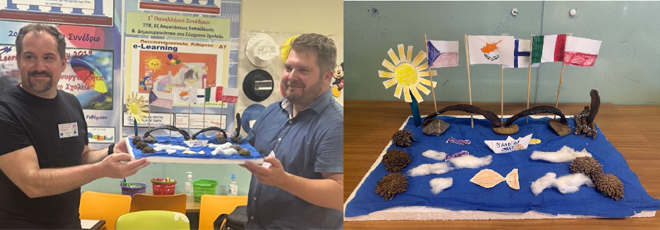
Working in smaller groups formed an essential part of the learning process. In our group, we developed a shared theme that guided our work throughout the week. Together, we created a story and brought it to life using a combination of creative methods and AI-supported tools. This process highlighted the importance of collaboration, experimentation and iterative development when working with emerging technologies. Interaction between participants was equally valuable. The diverse international group provided multiple perspectives and enabled meaningful comparisons of practices across organizations. Discussions and group work deepened understanding of common challenges and offered new ideas for addressing them in different operational environments.
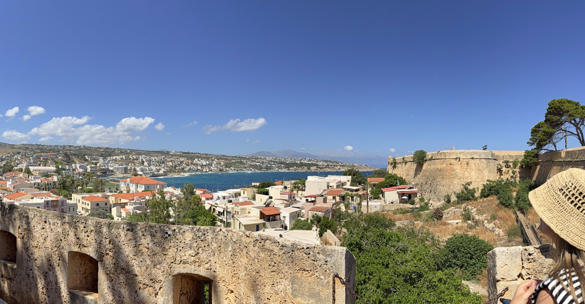
The programme also included sessions on group dynamics, creative writing, eBook development and presentations of project work, as well as a field trip that contributed to informal networking and cultural exchange. These elements supported both professional learning and the creation of lasting connections between participants.
From a professional perspective, the exchange provided concrete examples of how collaborative and creative working methods can be integrated into everyday work. Similar approaches can be applied within our own organization, for example in workshops, development projects and staff training. The experience also reinforced the importance of combining digitalization with human skills such as communication, creativity and critical thinking.
Overall, the Erasmus+ staff mobility experience was highly valuable. It supported both individual competence development and the internationalization goals of Tampere University of Applied Sciences. At the same time, it provided practical tools and fresh perspectives for developing my own work.
Written by: Erkki Brotkin, Senior Specialist, Facilities and Digitalization