Starting with the STEAM project
The STEAM project (link to project website) aims to attract Japanese travelers to experience sauna as part of their travel itinerary in Finland and Estonia. The partners in this three-year project, funded by the Interreg Central Baltic Programme, are Tampere University of Applied Sciences (later TAMK) and Haaga-Helia University of Applied Sciences in Finland, and the University of Tartu and Estonian Rural Tourism Organization in Estonia.
As part of the project, I coordinate TAMK’s activities and contribute business knowledge together with my colleagues. My own touchpoints with Japan include a senior high school exchange year in Hiroshima in 1992–1993, a tourist trip in 2008, and a four-month stay in Japan as a visiting scholar conducting field research with Japanese business buyers and sellers in summer 2019 (for more information, see Jokiniemi et al., 2024).
Initial findings from a small-scale pilot study
To better understand the needs and wishes of potential Japanese tourists considering a sauna experience in Finland, we sent a pilot market survey to seven respondents in my network. The respondents represented families, couples and singles aged 40–65. All but one respondent said they would like to experience sauna as part of their trip to Finland.
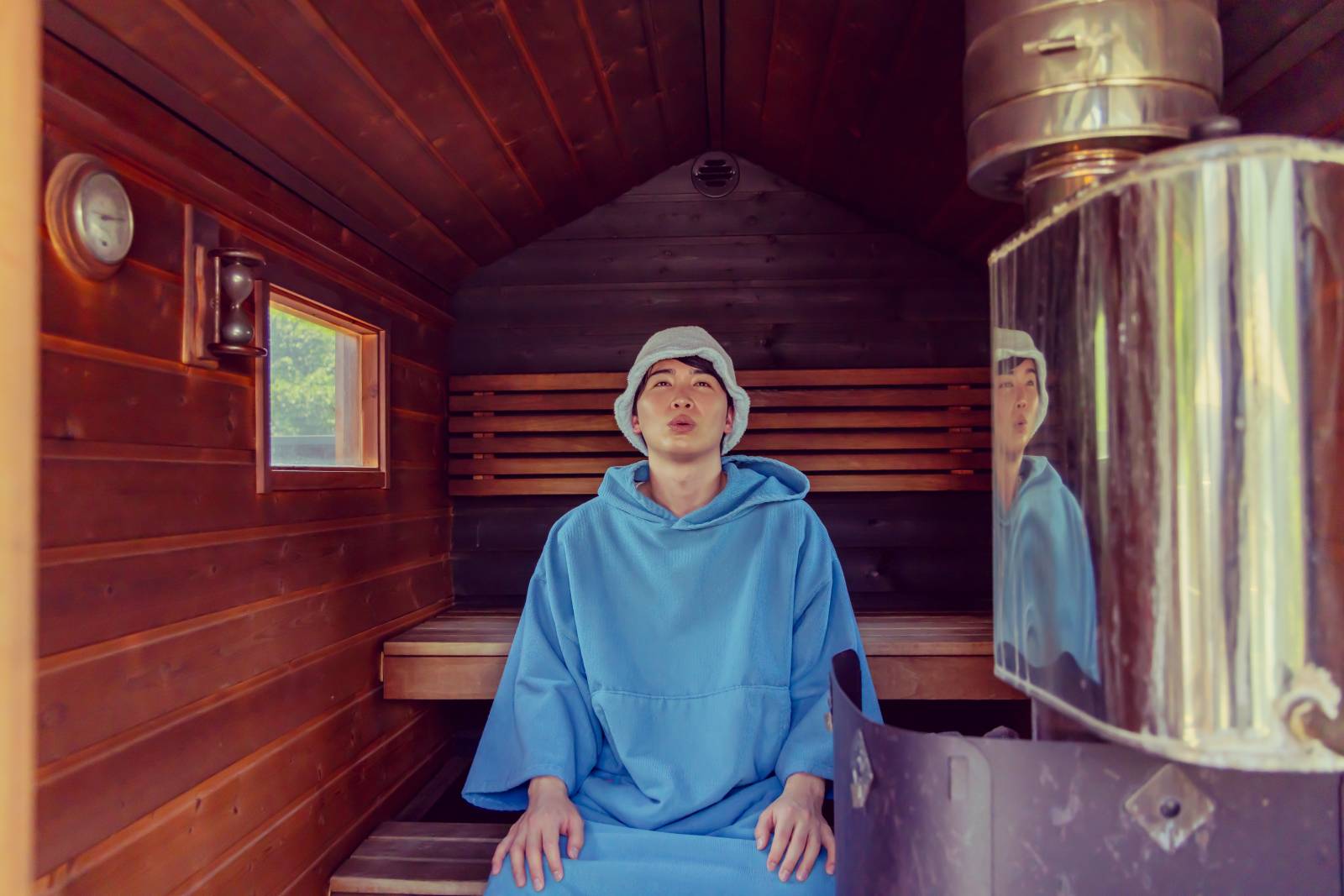
Wood-heated and smoke saunas, forests, and sea and lake views were preferred by the respondents. As one respondent put it: “a good opportunity to understand authentic everyday culture full of local character”.
For an international visitor, throwing water on the stones, using a vihta or cooling down outdoors can be unfamiliar and memorable. Respondents also raised practical questions, like what to wear, whether cold-water swimming is possible, and how local etiquette and safety rules are communicated.
Location and access matter almost as much as the sauna itself. Most respondents wanted the venue to be near a major city or tourist attraction, or at least to fit naturally into their travel route. One respondent explained: “I enjoy sauna, but I am probably not interested enough to travel several hours only for a sauna”.
The experience should not necessarily end at the sauna door. Many respondents were interested in a bundled service experience including eating at the venue, buying Finnish sauna goods or combining the visit with hiking, a brewery tour or an overnight cabin stay.
YouTube, Instagram, Japanese travel blogs, and realistic, detailed experience videos were considered useful marketing channels. Seeing an ordinary Japanese traveler demonstrating the experience may be more reassuring than content aimed only at dedicated sauna enthusiasts.
Next steps in the STEAM project
Although the number of respondents in the pilot survey was small, the message is useful: the strongest offering may not be a sauna alone, but an authentic, understandable and accessible introduction to Finnish nature, food, design and everyday culture.
Finnish and Japanese consumer preferences are quite different. Therefore, the project will continue to deepen its understanding of the market before crafting sauna offerings, marketing campaigns and media content together with sauna entrepreneurs and key tour operators.
References:
Jokiniemi, S., Halinen, A., Pullins, E. & Hosoi, K. (2024). Rapport building in B2B sales interactions: the process and explananda. Journal of Personal Selling & Sales Management 44 (2), 177-195.
Author:
Sini Jokiniemi
Head of Sales Management Master’s Programme