
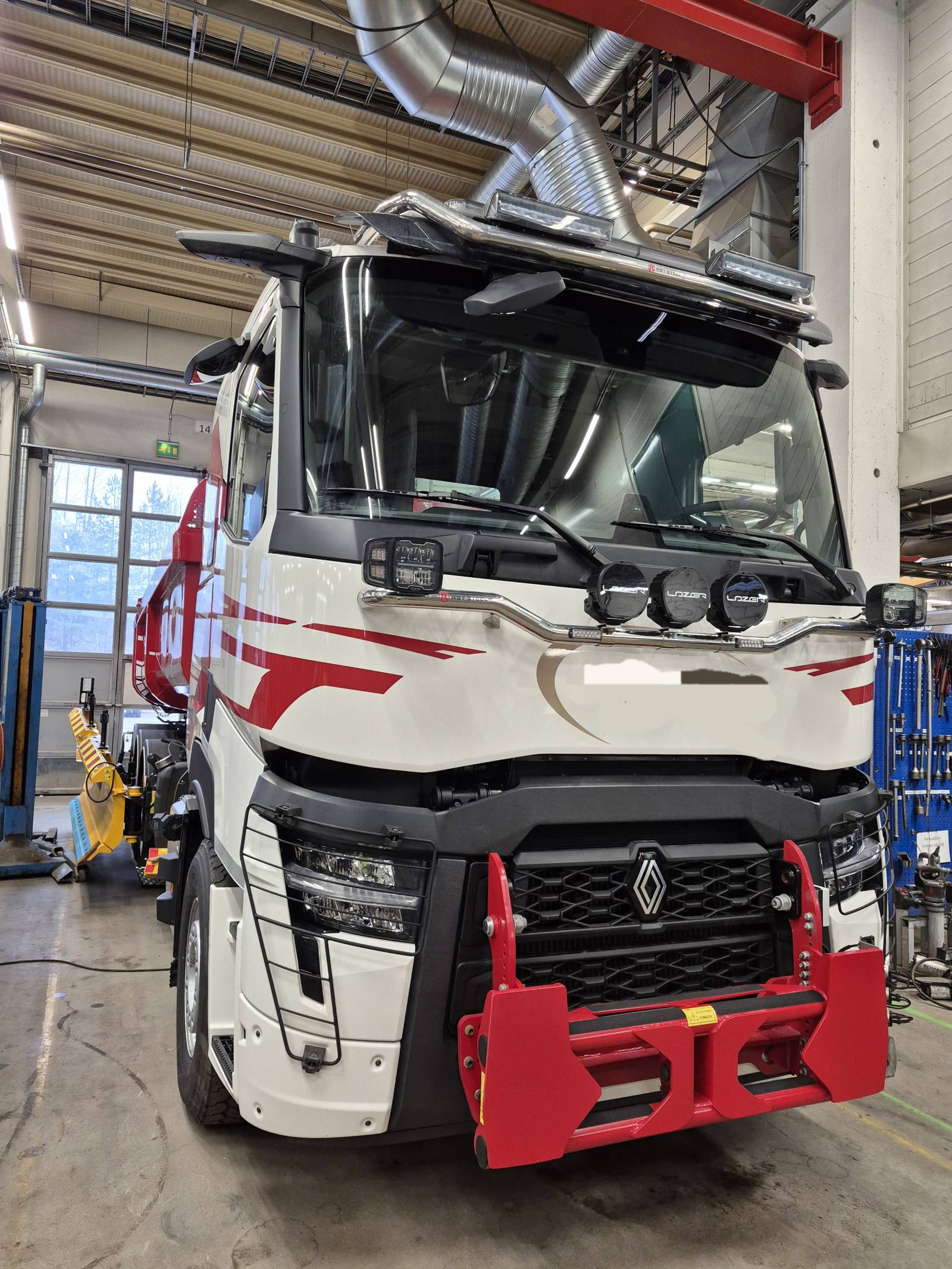
The focus of the visits was on mechanical and automotive engineering education, the Master’s Degree Programme in Safety Management in Organizations (YAMK), and on how RDI activities can be developed together with companies and seamlessly integrated into education – not as a parallel track, but as an integral part of everyday teaching and learning.
Competence needs evolve – strong foundations, contextual understanding matters
Discussions with company representatives highlighted the rapidly changing operating environment. Technological development, digitalisation, regulation, changes in the security environment, and internationalisation all directly influence the competence profiles needed from future professionals.
Companies clearly recognise TAMK’s strengths in technical expertise. At the same time, they emphasise the growing need for professionals who can:
- understand systems and interdependencies
- connect technical expertise with safety, responsibility, and risk management
- operate in multidisciplinary and networked environments
- apply their competence in concrete development work
These interfaces between education, RDI, and working life are exactly where meaningful collaboration takes place.
RDI and education – together, not sequentially
At TAMK, it is already well understood that RDI is not an add-on to education, but one of its core development mechanisms. The company visits reinforced the need to translate this shared understanding even more systematically into joint practice with partners.
From the companies’ perspective, the most valuable forms of collaboration are those where:
- students work on authentic, real-world development challenges
- courses, projects, and theses are connected to ongoing RDI activities
- collaboration generates solutions, pilots, and learning in both directions
This requires joint planning between teachers, RDI experts, and companies – but the benefits extend to all parties involved.
Safety management connects technology and organisational leadership
The Master’s Degree Programme in Safety Management in Organizations (YAMK) sparked particular interest during the visits. In today’s complex operating environment, safety is not merely a technical issue, but a core element of leadership, decision-making, and organisational capability.
Key themes in companies’ everyday operations include:
- proactive risk management
- development of safety culture
- resilience and operational continuity
- decision-making under uncertainty
In these areas, the YAMK programme and its associated RDI activities offer a concrete platform for joint development and collaboration.
Stepping outside the campus – collaboration is built through encounters
The company visits provided a very tangible reminder that collaboration does not emerge from structures alone, but from people and encounters. Visiting companies helps us understand their everyday realities, language, and genuine challenges – and at the same time identify where TAMK’s expertise can best create value.
The encouragement to TAMK staff is clear:
- go out and visit companies
- invite companies into teaching
- utilise RDI activities in developing education
- build long-term partnerships
At the same time, students gain a realistic and motivating perspective on how their competence is applied in real working-life contexts.
Greater impact together
The visits to Patria, Volvo, and Etteplan demonstrated that TAMK and its industry partners share a strong common foundation. When education and RDI are genuinely carried out together with working life, the result is competence that is current, applied, and impactful.
Industry collaboration is not a separate task at TAMK – it is a way of working.
Written by: Aija Paananen