

Contribution often begins with personal initiative
When we think about contribution to a university of applied sciences, externally funded projects often come to mind. They bring resources and development opportunities, and their results are visible and measurable.
Contribution can also begin with an individual’s interests, values, expertise or networks. A teacher may initiate international collaboration, experiment with pedagogy or meet a future partner at a conference. When these activities align with TAMK’s strategy, personal initiative becomes institutional value.
International collaboration creates long-term value
International partnerships do not always begin with a project application. They may grow through conversations, conferences, joint teaching and shared interests. Building trust takes time, and the first outcome may be a guest lecture, online student collaboration or presentation rather than direct income.
These activities can open important doors. A small collaboration may lead to mobility, a publication or a larger project. No immediate financial return does not mean no value; the activity may create conditions for future opportunities.
Individuals also represent TAMK
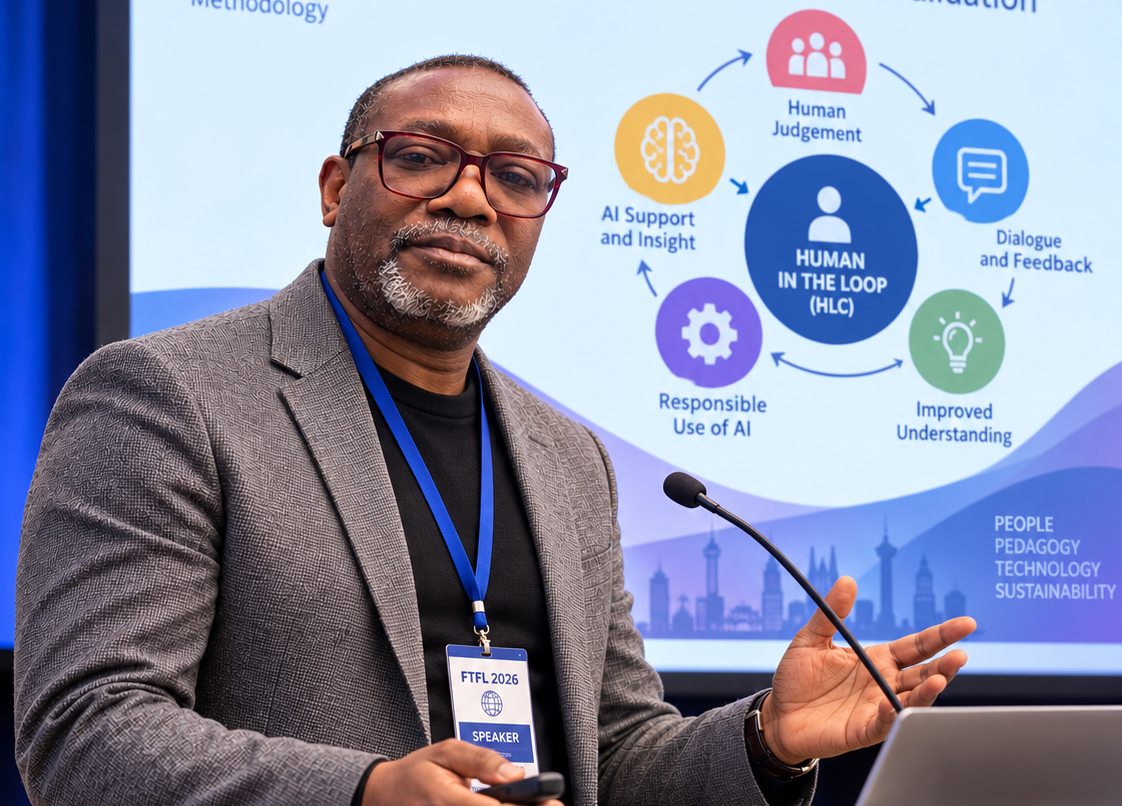
When staff participate in conferences, seminars and international networks, they carry TAMK’s name, expertise and values into professional communities. Presenting an innovative course makes TAMK’s pedagogical work visible, while a joint workshop demonstrates our ability to collaborate across cultural and disciplinary boundaries.
I have seen this in my work in communication teaching, international virtual teamwork and public engagement with Environmental Engineering students. Sharing these experiences has created relationships and possibilities for cooperation.
This strengthens TAMK’s reputation as a reliable partner. Its value is difficult to express in euros, but credibility affects whether people wish to study, visit or collaborate with us.
Teaching is also institutional development
Contribution also takes place in the classroom. A teacher may help students communicate specialist knowledge publicly or organise virtual teamwork across languages, cultures and time zones. When shared with colleagues, presented at conferences or published, individual expertise becomes knowledge for the wider TAMK community.
Making different contributions visible
Recognising these activities does not reduce the importance of funded projects. It gives us a fuller picture of how TAMK’s vision is realised. Contribution may be financial, pedagogical, strategic, relational or reputational. Some results are immediate; others build knowledge, trust and visibility over time.
How, then, can we make these contributions more visible? Development discussions, workload planning and internal communication could recognise international relationships, teaching experiments, publications, conferences and professional networks.
TAMK needs organised projects and everyday individual initiative. They support one another: today’s initiative may become tomorrow’s partnership or funded project. Ultimately, TAMK’s vision is realised through people, the students they support, ideas they develop, relationships they build and ways they represent the institution.
Author: Emmanuel Abruquah is a Senior Lecturer in Languages and Communication at Tampere University of Applied Sciences. His professional interests include communication pedagogy, intercultural learning, online education and international collaboration.