
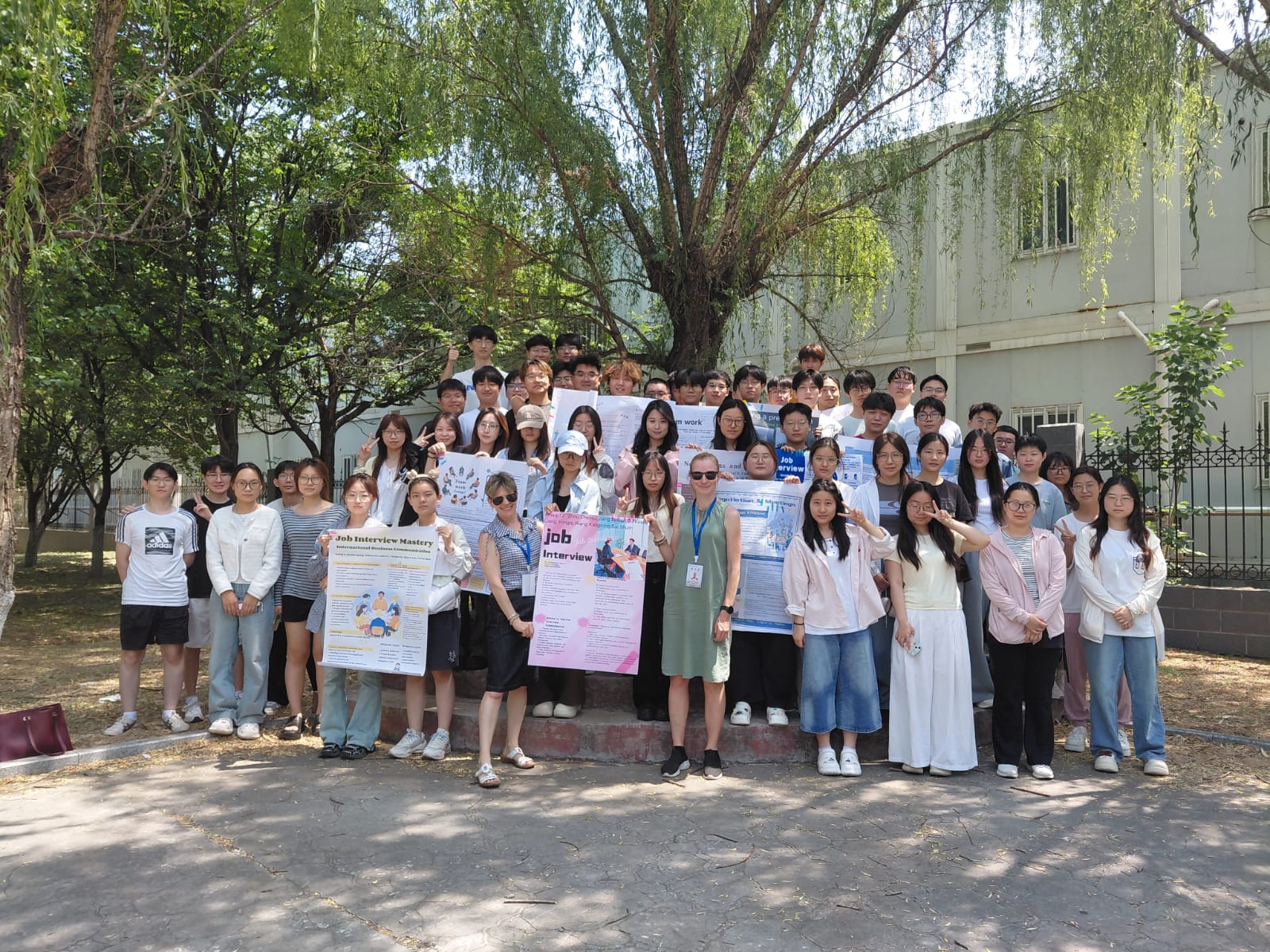
At Qilu University of Technology in Jinan, China, we had the opportunity to explore this question during two intensive teaching weeks focusing on Circular Economy and International Business Communication. Our goal was clear: move students from passive listeners to active participators.
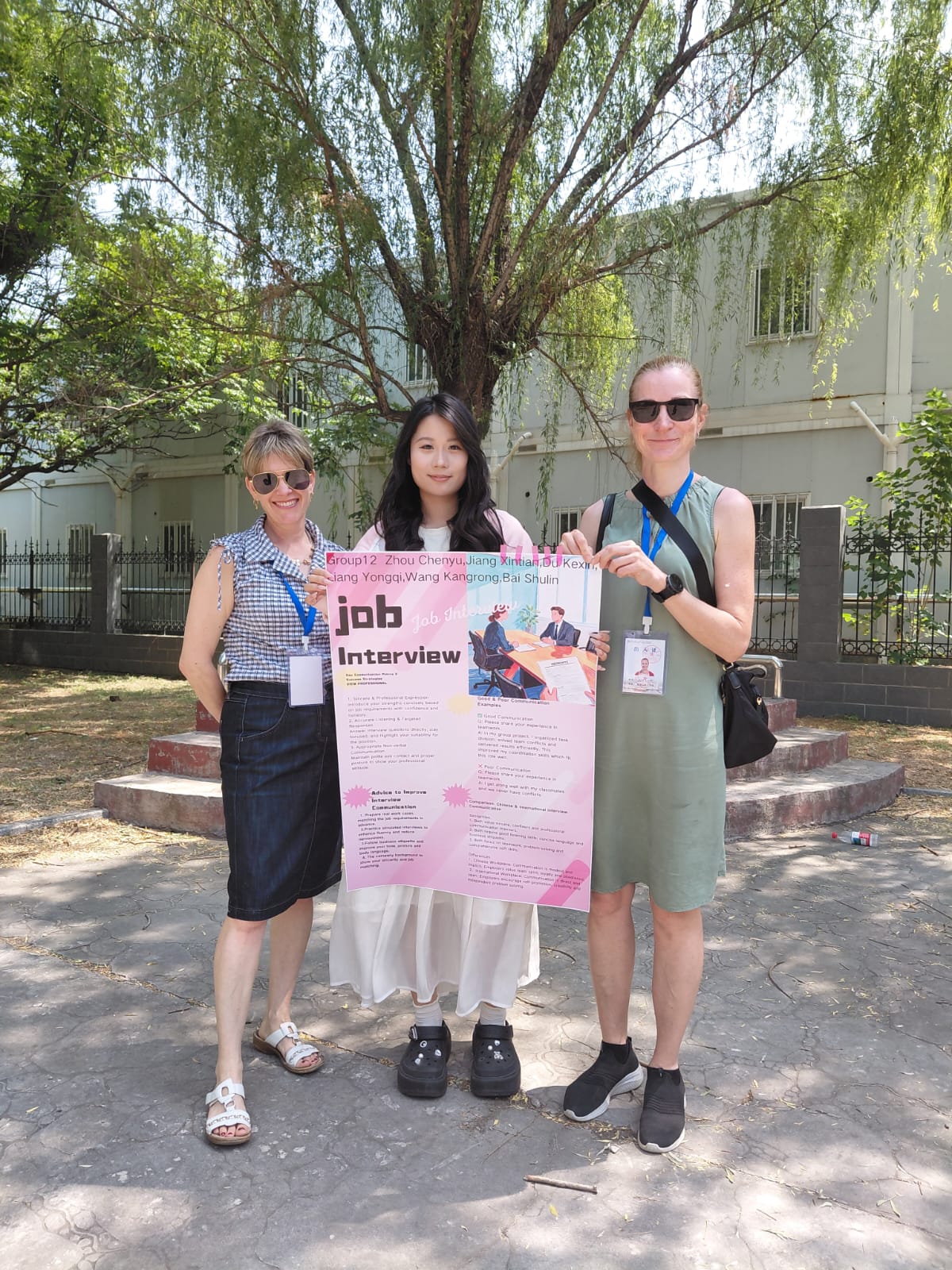
What did we do to activate students?
We deliberately designed the courses around active learning methods. Instead of just traditional lectures, we also used:
- Structured group work to process complex topics such as circular economy roadmaps
- Panel discussions, where students had to take a position and defend it
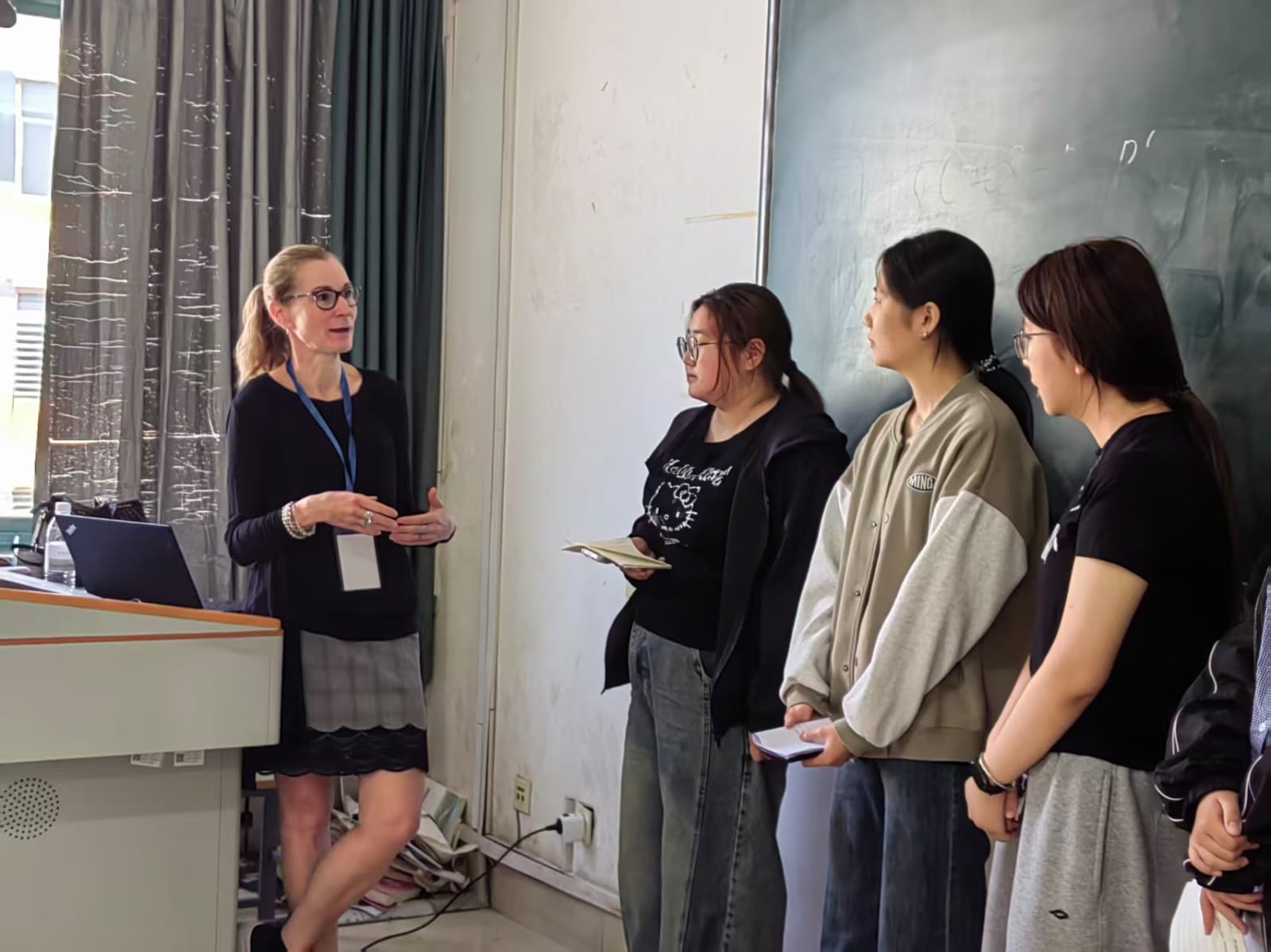
- Real-life communication tasks, including negotiations, presentations and interviews
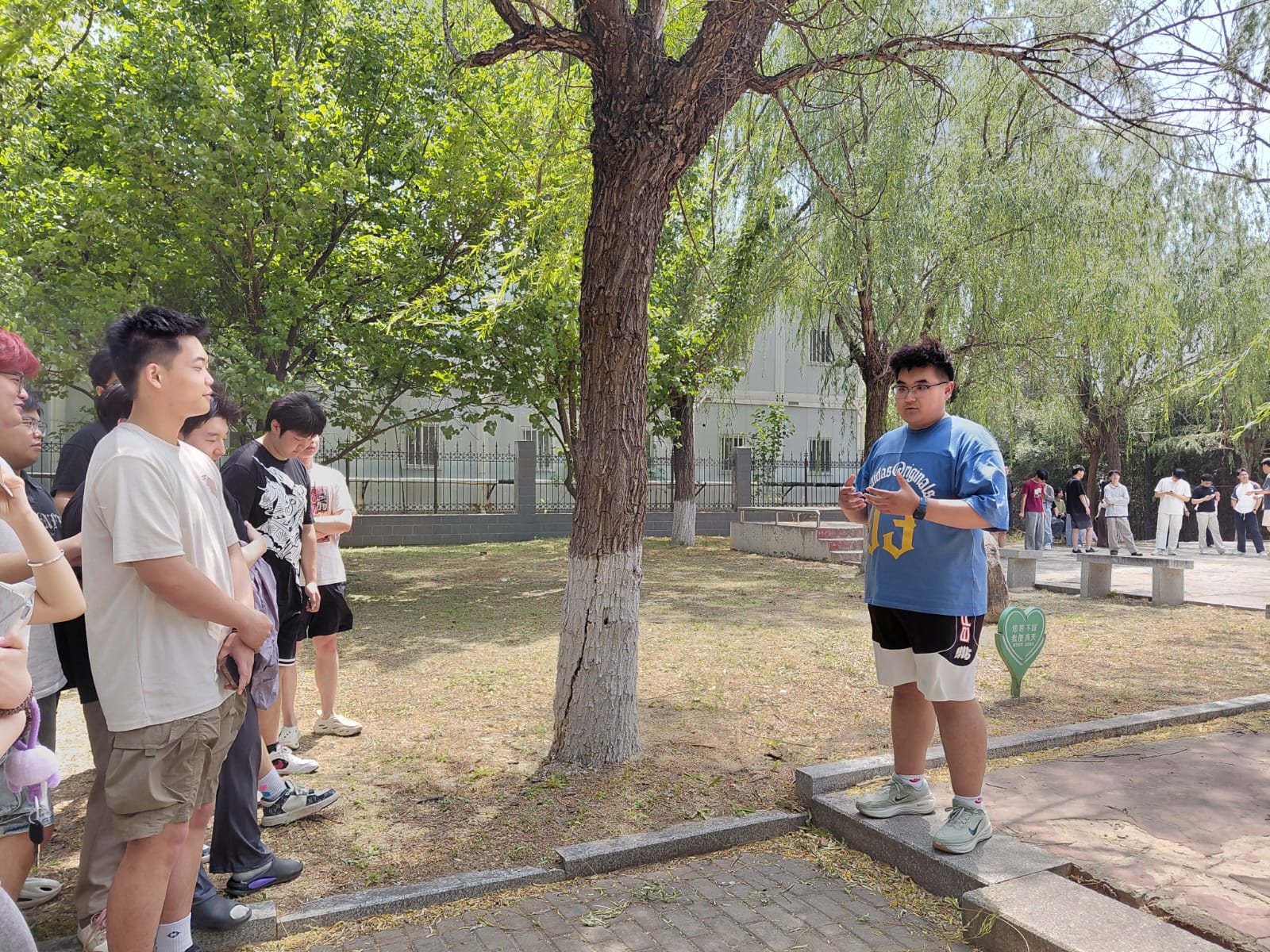
- Outdoor learning activities, where students practiced communication in a more relaxed environment
These methods required students not only to understand the content, but to use it, often in English, and often outside their comfort zone.
What did we observe as teachers?
At first, students’ participation was careful and somewhat reserved. This was not surprising. Many students were not used to interactive teaching methods or speaking up in class, especially in a foreign language. However, something interesting happened.
As the week progressed:
- Students became more confident and willing to participate
- Group discussions became more dynamic and student-led
- The quality of questions improved significantly
- Students started to take ownership of their learning
The outdoor sessions, in particular, were a turning point. Outside the classroom, the atmosphere changed: students were more relaxed, more social, and noticeably more creative in their communication.
Key takeaways for teachers
This experience reinforced a simple but important idea: students do not become active by being told to be active. They become active when the learning environment makes it possible. For us as teachers at TAMK, this leads to a few concrete takeaways:
- Activation must be designed: methods such as group work or discussions need clear structure and purpose
- Safe environments matter: students participate more when they feel comfortable and supported
- Discomfort can be positive: stepping outside the comfort zone (e.g. giving presentations or speeches in front of an audience, or panel discussions where you have to say something as a panelist AND audience) often leads to the positive “can do”-experience and therefore deeper learning
- Learning spaces can be flexible: sometimes the best classroom is outside the classroom
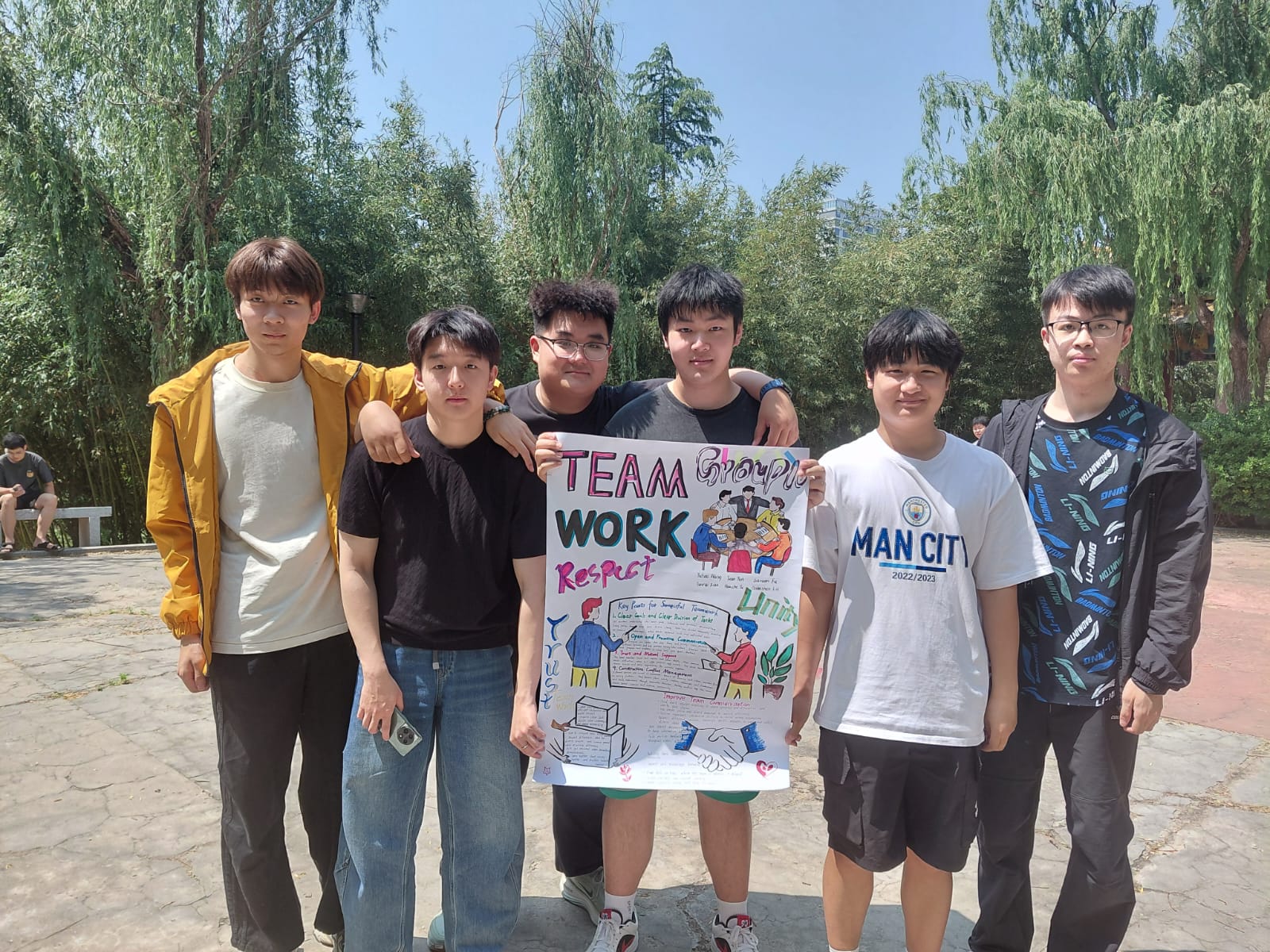
How should we proceed at TAMK?
International classrooms are not defined only by where students come from, but by how we teach them. At TAMK, we already have diverse student groups and strong connections to working life. The next step is to consistently embed activation into our pedagogy:
- Give students meaningful tasks that reflect real-life situations
- Create opportunities for interaction, not just content delivery
- Encourage participation in multiple ways (speaking, writing, collaborating)
- Be willing to experiment and occasionally step outside the classroom ourselves
- Encourage students to step outside their comfort zone and to push themselves, even when it feels uncomfortable, while providing a safe environment to do so.
Text:
Piia Kanto, Senior Lecturer in Laboratory Engineering Programme, TAMK and
Pirre Hyötynen, Senior Lecturer in Bioproduct Engineering Programme, TAMK
Pictures: Pirre Hyötynen