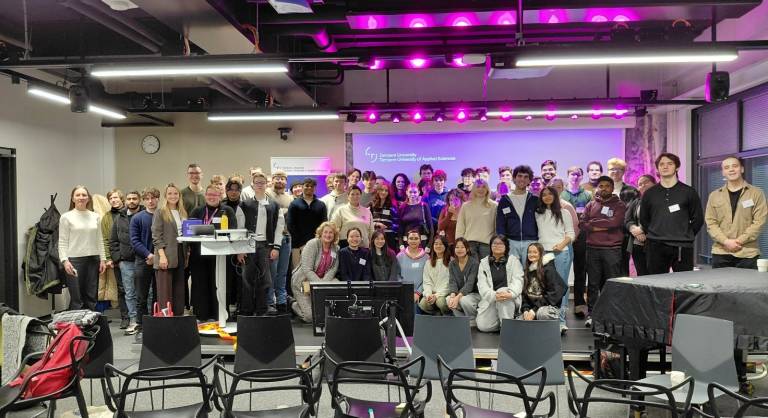


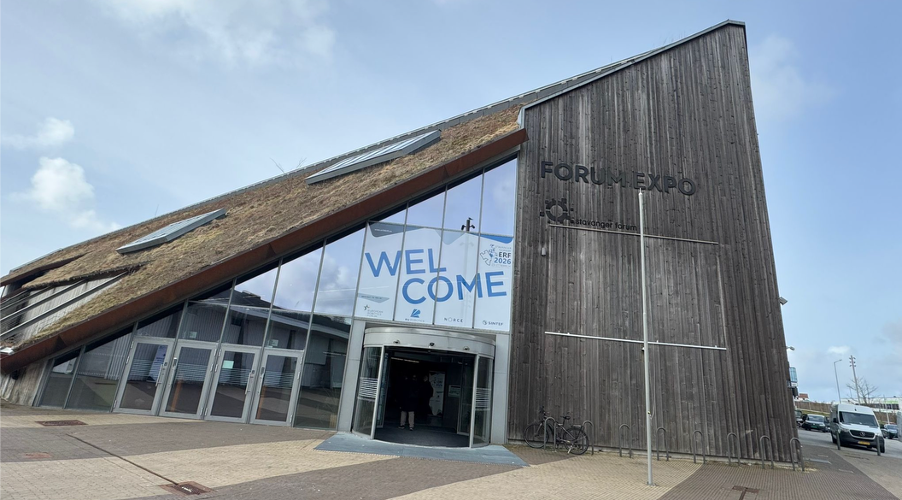
March 23, 2026 – First Day at ERF 2026
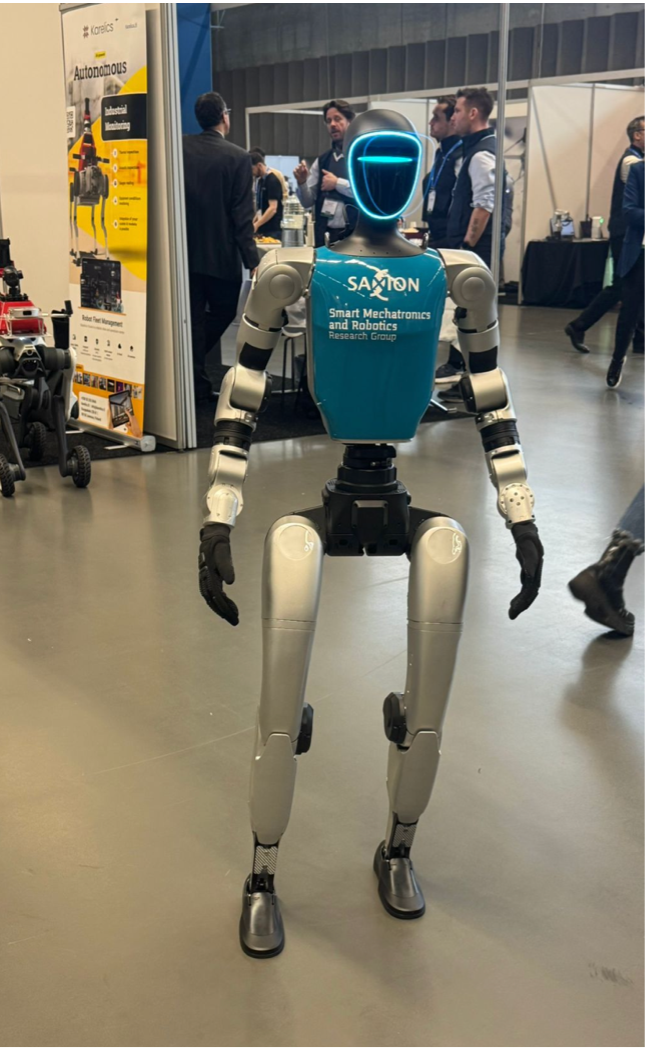
On the first day, I spent a lot of time around humanoid and industrial robots. Seeing them in real life felt very different from watching videos online. What interested me most was not only how smoothly they moved, but how much engineering sits behind that movement: motors, sensing, control, stability, and data handling.
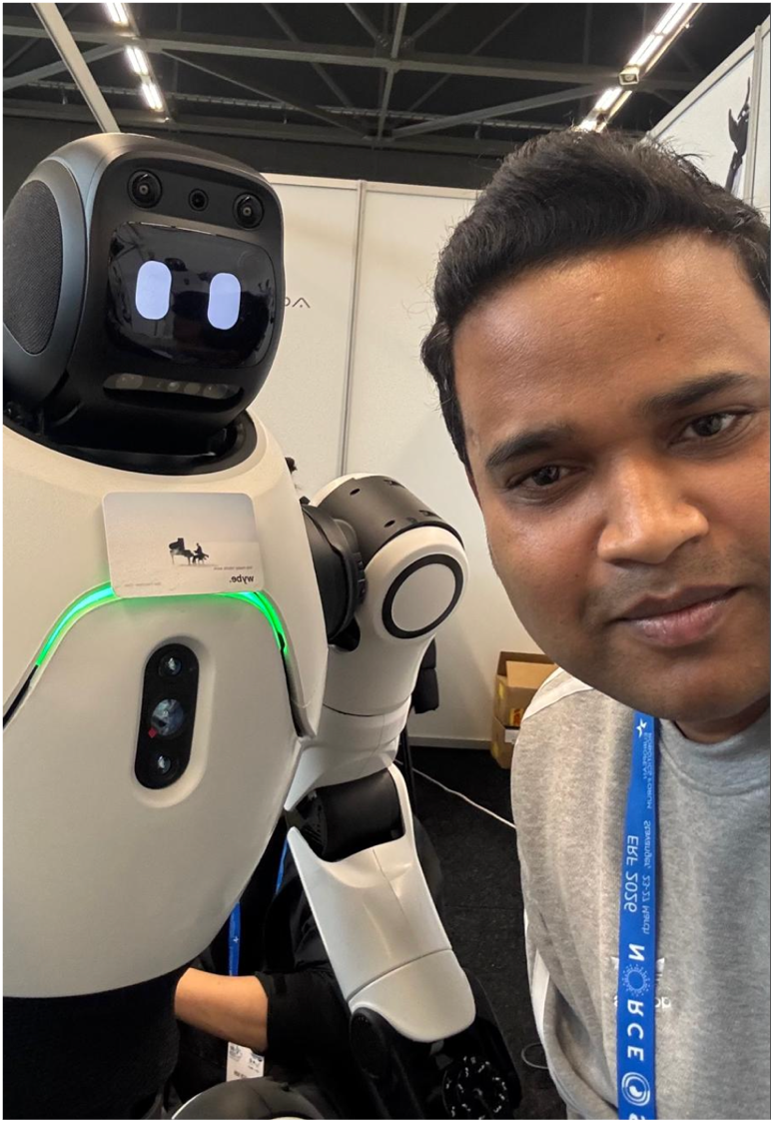
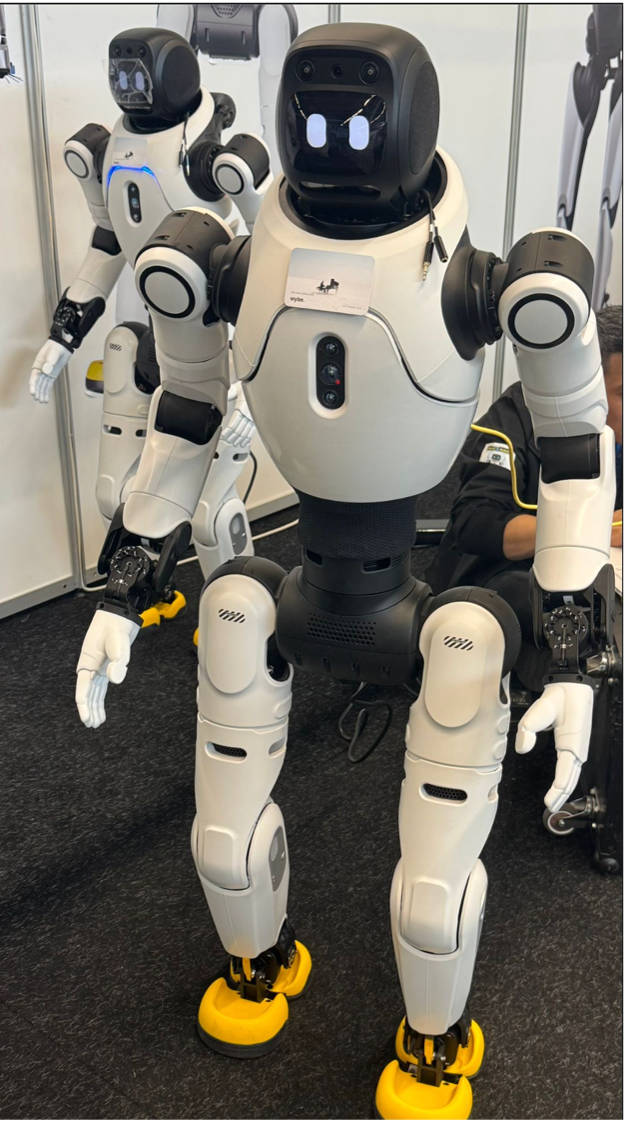
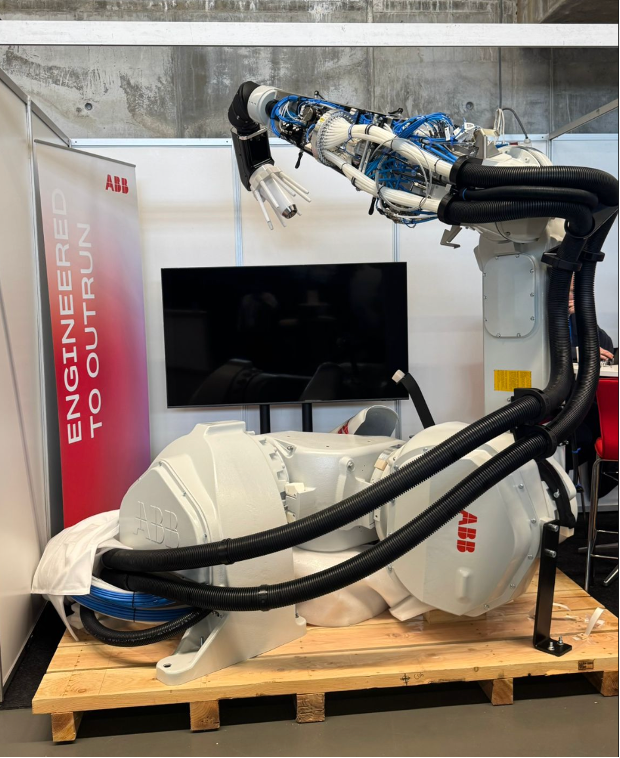
I also observed large ABB industrial robotic arms. I left with the feeling that advanced robotics is never “just hardware.” It is always a full system.
March 24, 2026 – A Busier Day
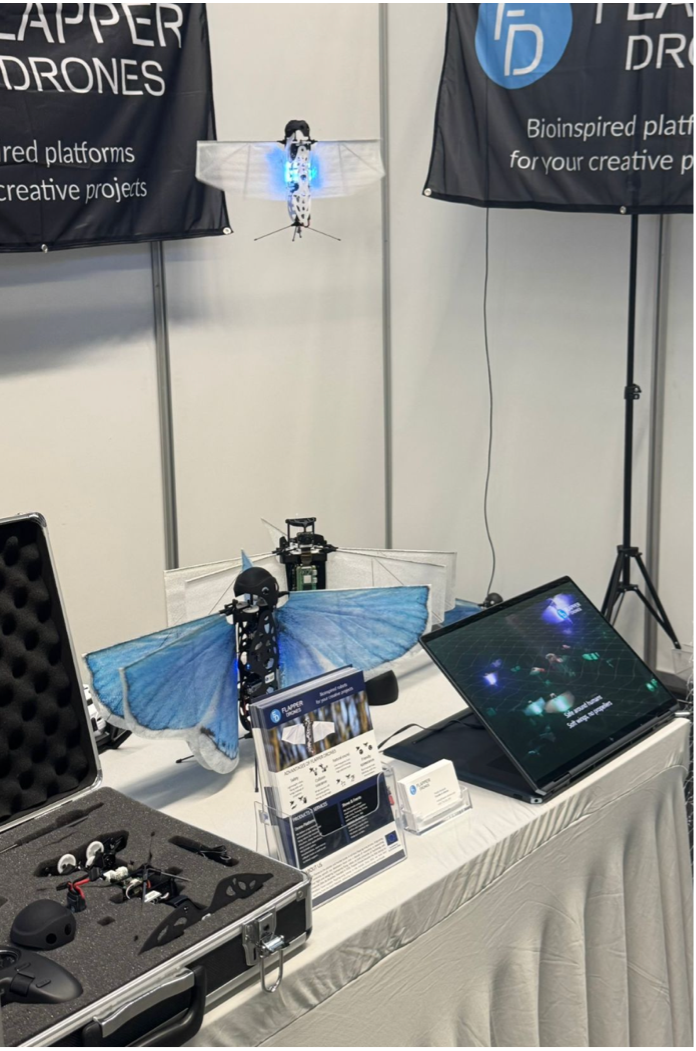
The second day was much busier, with large crowds around the humanoid robots and drone exhibits. I also saw a Unitree humanoid robot and several drone systems, including a butterfly-inspired design. One interesting discussion I had which was with a visitor who questioned the business value of humanoid robots. For me, this highlighted an important point: not every new technology begins with an immediate profit model. Innovation also needs curiosity, experimentation, and long-term thinking. If we only build what is already profitable, how much real progress will we miss?
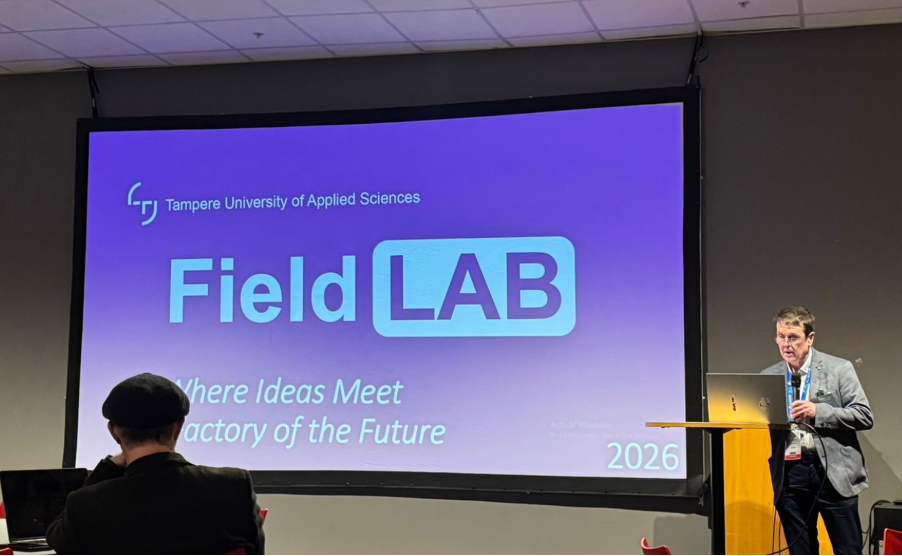
I also attended a presentation by TAMK´s senior lecturer Kari Nakka about FieldLab, which made it especially meaningful to reflect on how research environments can connect emerging technology with practical industrial use.
March 25, 2026 – Hardware Autonomy
My final day raised an even bigger question for me. Many impressive robotic platforms on display came from outside Europe, especially from China. At the same time, many discussions at the event focused on software, integration, and data autonomy. That made me wonder: can we really talk about autonomy if the hardware itself is mostly built elsewhere? At the Karelics booth, I had an interesting discussion about how existing robot platforms can be adapted for industrial inspection, mapping, and monitoring.
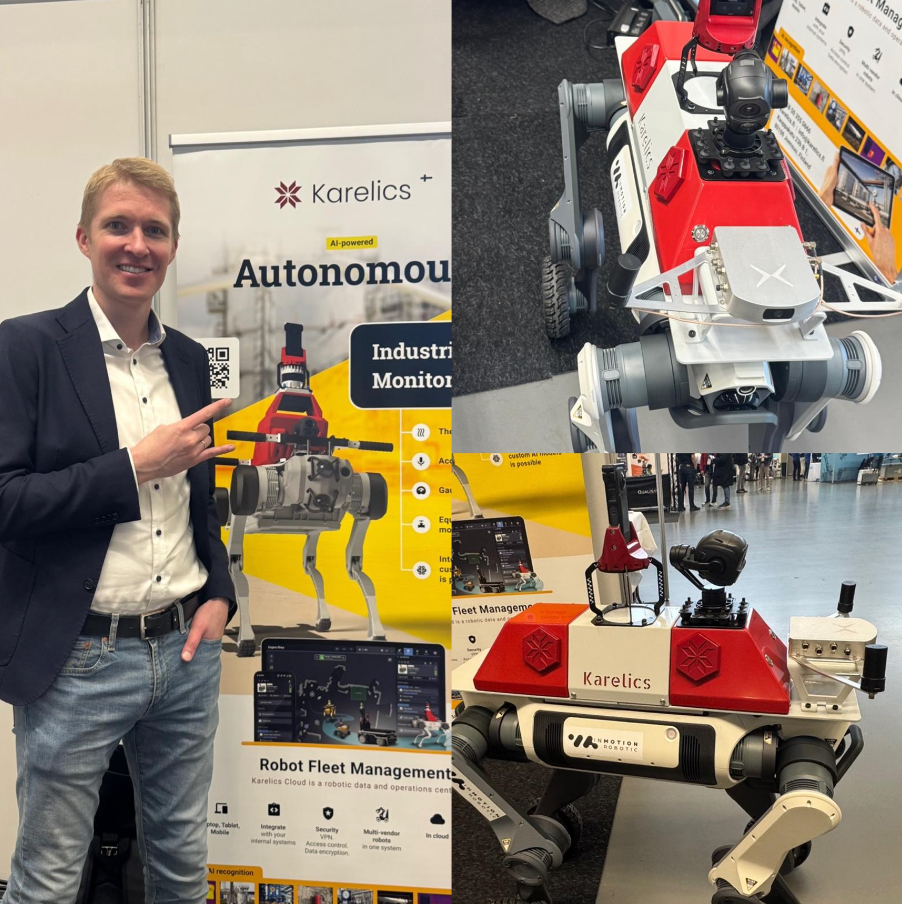
I also visited the Dobot booth and tried a VR-based teleoperation setup. A major takeaway from the day was that robotics value often comes not only from the robot itself, but from the full ecosystem around it: interfaces, mapping, data handling, control, and real applications.
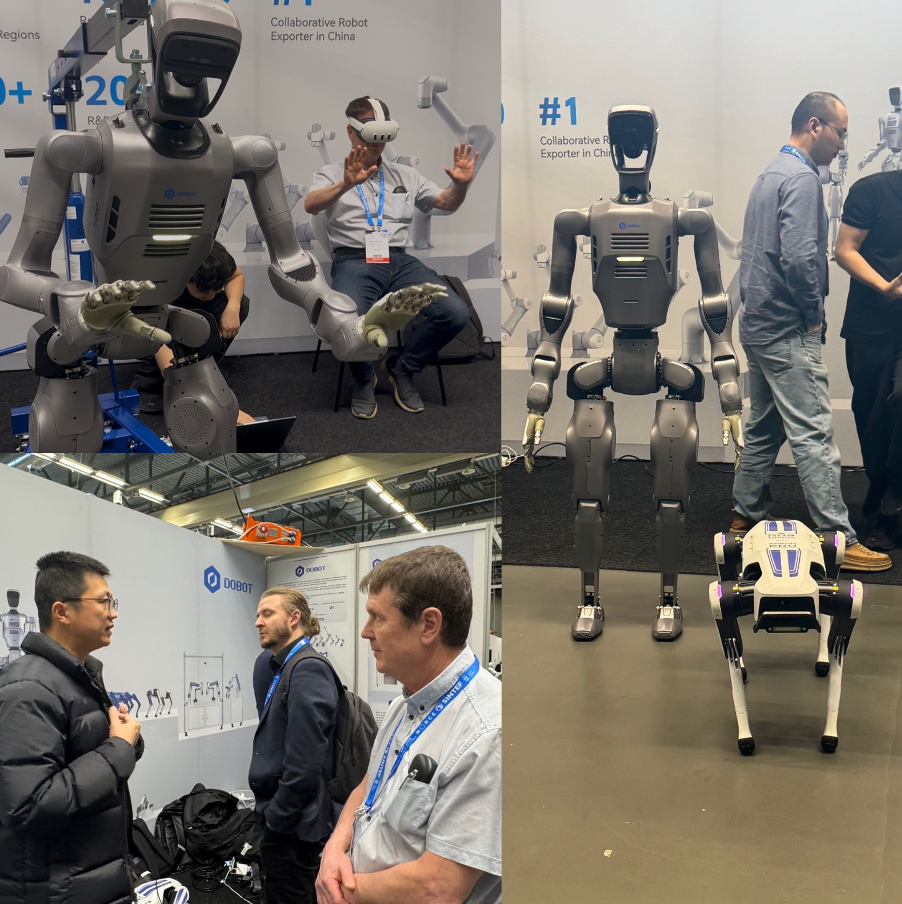
My biggest learning from ERF 2026 was that the real value of robotics often comes from the ecosystem around the machine: perception, mapping, interfaces, secure deployment, and useful applications. For FieldLab, this points toward practical opportunities in teleoperation, monitoring, and industrial integration. At the same time, I believe we should also keep asking a harder question: should Europe be satisfied with integrating robotics, or should it aim to build more of it as well? The event gave me technical insight, but also something more valuable: a reason to think critically about independence, ambition, and the future direction of robotics.
Written by: Razib Hazan, Intern in Technology, Industrial Engineering TAMK.