

AI & Didactics – the network’s flagship initiative
One of the network’s clearest new successes during spring 2026 is the AI & Didactics online training programmejointly organised by the network partners, which has grown from an initial idea into a broad international training series. The programme has already reached hundreds of education experts, and the feedback has been extremely positive. There have been over 500 registrations. The initiative is a good example of how the network can quickly deliver impactful and scalable educational solutions.
The next steps are seen as further development of the programme: more in-depth themes, student-focused AI modules, and a joint assessment of impacts and learning outcomes. At the same time, the AI & Didactics online training programme provides a natural platform for strengthening the network’s visibility, for example through blogs and podcasts.
Collaboration — without heavy structures
The meetings also covered a wide range of other areas of collaboration, such as virtual exchanges, research collaboration, and the development of digital skills. The shared view was that The Hague Network works best when it does not aim for heavy structures, but instead supports cooperation in a flexible, needs-driven way. For example, micro-credentials were currently considered challenging due to the fragmentation of European and national practices. Instead, there is a desire to continue information exchange and peer learning in this area as well — without binding structures.

Research, wellbeing, and inclusion as part of the bigger picture
In terms of research collaboration, the network’s role is seen especially as a “low-threshold” platform for launching initiatives, helping partners find each other through concrete funding calls. In addition, the discussions highlighted student and staff wellbeing, as well as inclusion and addressing polarisation in teaching. All those are areas where there is seen to be a growing need for network collaboration.
Looking ahead
The added value of The Hague Network stems from agility, trust, and concrete pilots. The network’s Board recommends strengthening the focus especially on educational innovations, targeted research collaboration, and joint communications that make the network’s activities visible to a wider audience as well.
Copilot, an AI application, was used to help structure this blog post.
Author
Tarja Kalliomäki-Linnas
Responsible Head of Education and Learning Services
The Hague Network contact person at TAMK
tarja.kalliomaki-linnas@tuni.fi
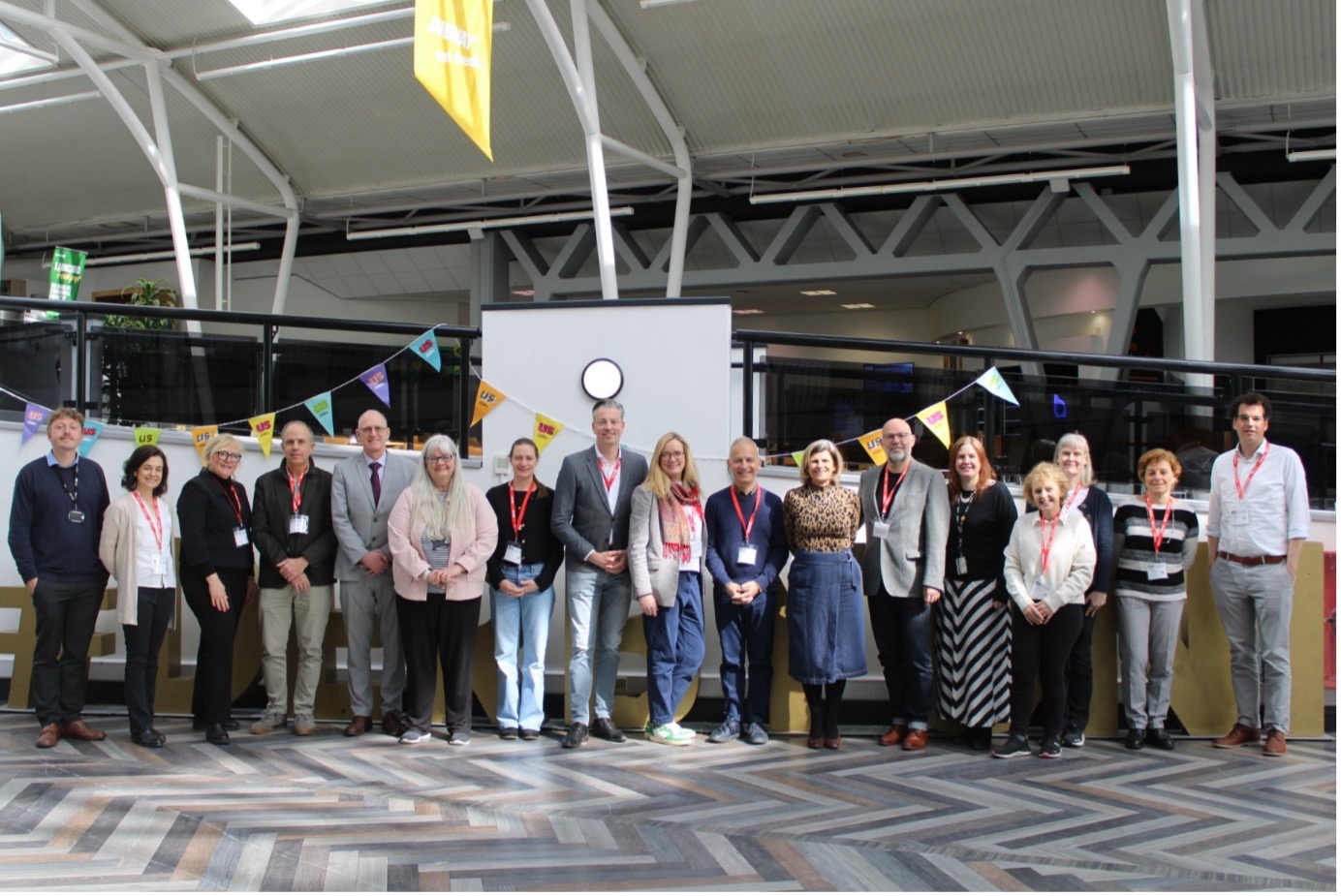
Illustrations provided by the University of Derby.