Posts from 2026

The EU Civil Protection Mechanism – An Opportunity for TAMK in Education, RDI and International Cooperation

Europe’s security environment has changed rapidly in recent years. Climate change, extreme weather events, major accidents, cyber threats and geopolitical crises are increasingly visible also in Europe and Finland. In response to these challenges, the EU has strengthened the EU Civil Protection Mechanism (UCPM) – a framework that also offers significant funding opportunities for higher education institutions, including TAMK.

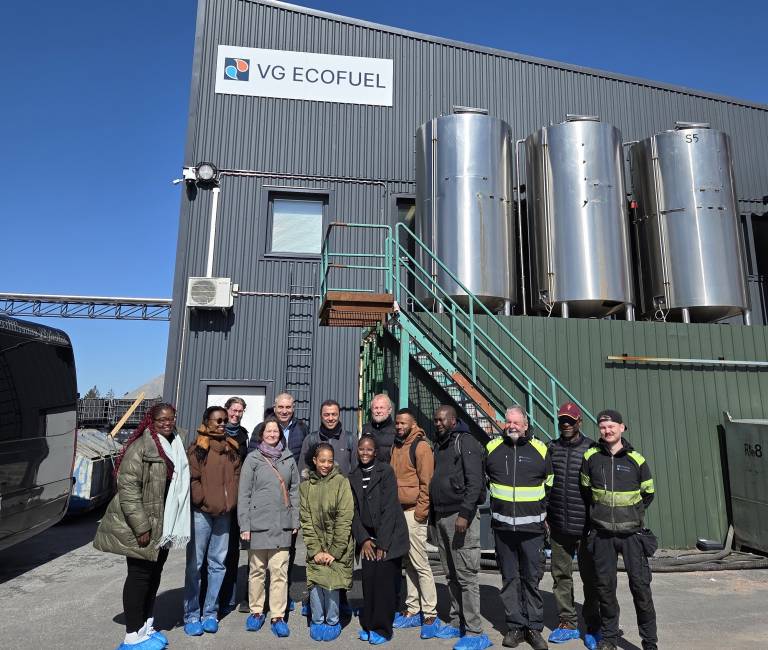
Building circular economy through multisectoral collaboration – Highlights from a Namibian study visit to Finland

From late April to early May 2026 delegation of nine Namibians, university students and staff, visited Turku and Tampere to learn about circular economy business and technology solutions, education and research examples as well as the role of cities as an enabler of circular economy. One key take away was the importance and effectiveness of multisectoral collaboration witnessed in Finland. While context in Namibia differ from that of Finland, increased multisectoral collaboration is an adaptable model to help support circular economy development in Namibia as well. This was highlighted in the feedback asking what the visitors had learned about circular economy in Finland.

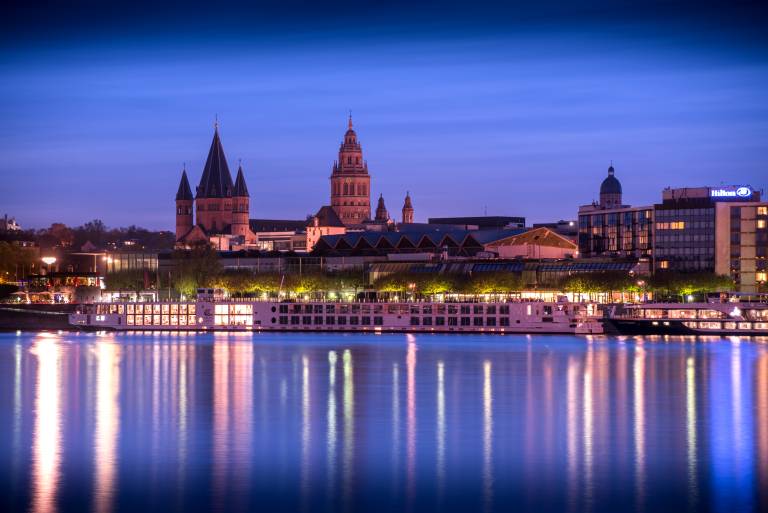
Vocational Teacher Education, Inclusion, and Preparatory Pathways in Germany: Reflections from a Study Visit to Mainz

In May 2026 (17–21 May), I conducted a study visit to Mainz, Germany, with the objective of examining vocational teacher education and inclusive pedagogical practices in the federal state of Rhineland-Palatinate. This study visit to Mainz was part of an Erasmus+ Staff Mobility for Training exchange. It was based on a reciprocal collaboration between Tampere University of Applied Sciences (TAMK) and the Studienseminar Mainz. One week before my visit, two experts from the Studienseminar visited TAMK to learn about Finnish vocational teacher education and the Finnish education system.

Industry Collaboration Starts by Stepping Out – Insights from Company Visits

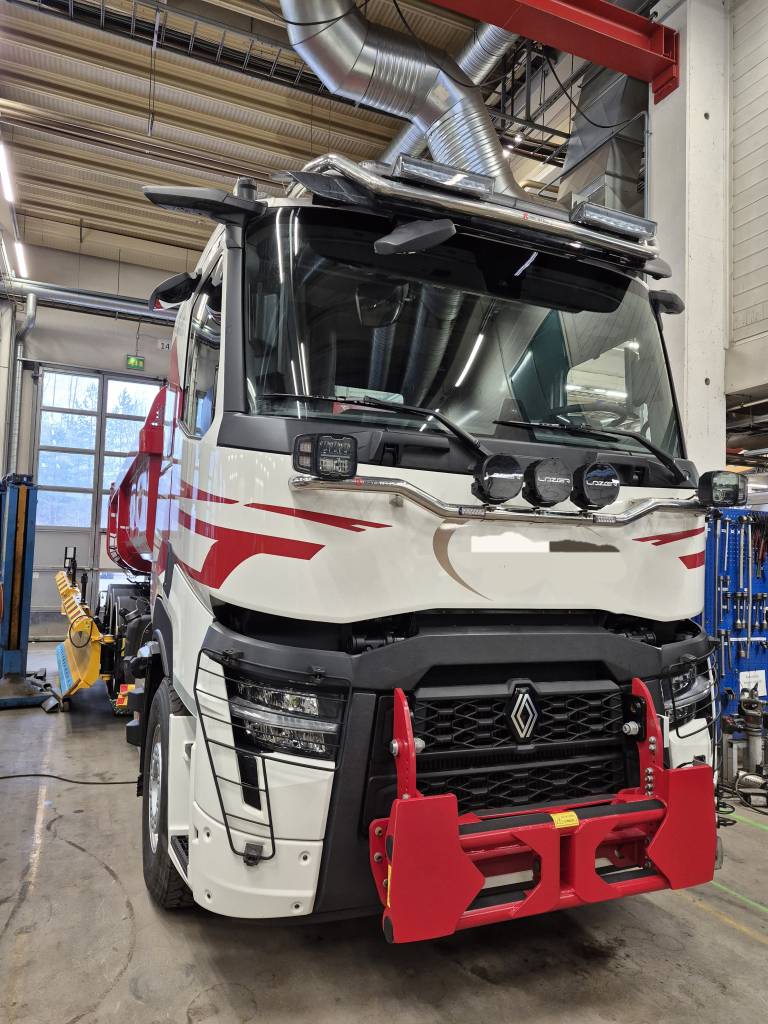
Education and RDI activities at TAMK are built in close collaboration with working life. This is not a new ambition or a separate objective, but a fundamental way of operating as a university of applied sciences. During the spring, we visited Patria, Volvo, and Etteplan to further strengthen this collaboration in practice.

Creative economies in the Baltic Sea Region: what regions gain from deeper connection and active cooperation?

Smart Specialisation Strategies (S3) aim to strengthen regional competitiveness by building on local strengths and fostering innovation through collaboration. Increasingly, there is recognition that these strategies would greatly benefit from embracing the creative economy. Yet across the Baltic Sea Region and beyond, creative and cultural industries (CCI) still struggle to find a clear and consistent place within regional planning. This creates a paradox; Creative ecosystems are already contributing to talent retention, startup creation, and regional attractiveness, but they often remain only loosely connected to the strategic frameworks that are meant to guide regional development.

International Staff Week in Nice – learning, networking, and new perspectives

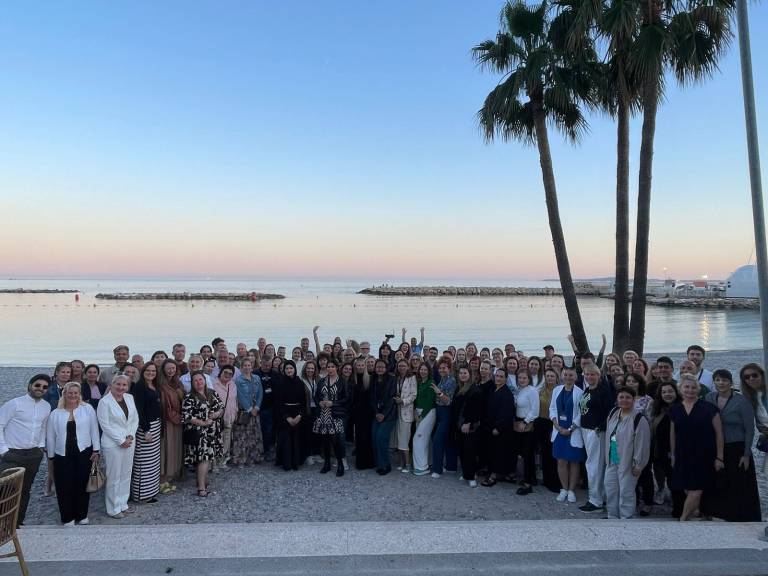
In spring 2026, I participated in the International Staff Week 2026 event in Nice, organized by ISIM Business School. During the week, 130 participants from around 15 different countries came together to share experiences, learn new things, and build international networks. The week offered a well-balanced combination of structured program, discussions, and informal interaction.

PTSD Is Treatable: What an International CPT Seminar Brought to TAMK

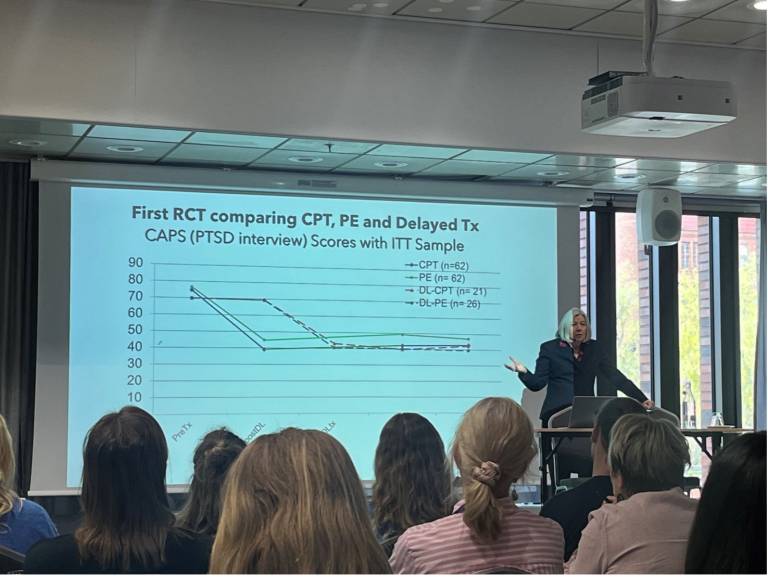
Post-traumatic stress disorder is treatable, and effective, evidence-based methods already exist to support recovery. One of them is Cognitive Processing Therapy (CPT), a structured treatment approach developed by Professor Emerita Patricia A. Resick of Duke University and widely recommended for PTSD treatment. In May, three TAMK experts took part in an international seminar in Tampere organized by Tampere University to deepen their understanding of CPT and its relevance for education, research, and professional practice at TAMK. The seminar offered not only updated knowledge, but also new perspectives on how trauma expertise can be strengthened and shared.

Pilots in Ikaalinen

Kylät yli kuntarajojen is a rural development project in the Pirkanmaa region, Finland. The project aims to protect and develop rural services and the economy through multiple channels, working together with local communities and regional and provincial partners. Project aims to develop pilot projects and operational models that can be replicated in other villages. It is a partnership between Ikaalisten Kehitys Oy, the City of Ikaalinen, and Tampere University of Applied Sciences (TAMK). Other collaborators include Pirkanmaa Leader group, Pirha, Sasky, Pirkan kylät and local villages.

UNINOVIS Language Teachers BiP in Kaunas

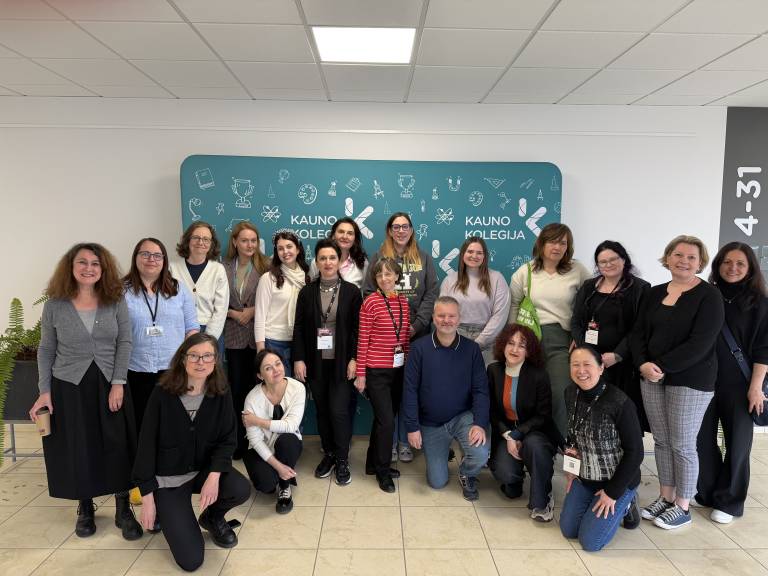
Two TAMK English teachers attended the Language Teachers’ BiP organised by Kauno Kolegija in Vilnus. The attendees contained language teachers from the other UNINOVIS universities, but also others. During the 5 intensive days we learned and shared a lot!

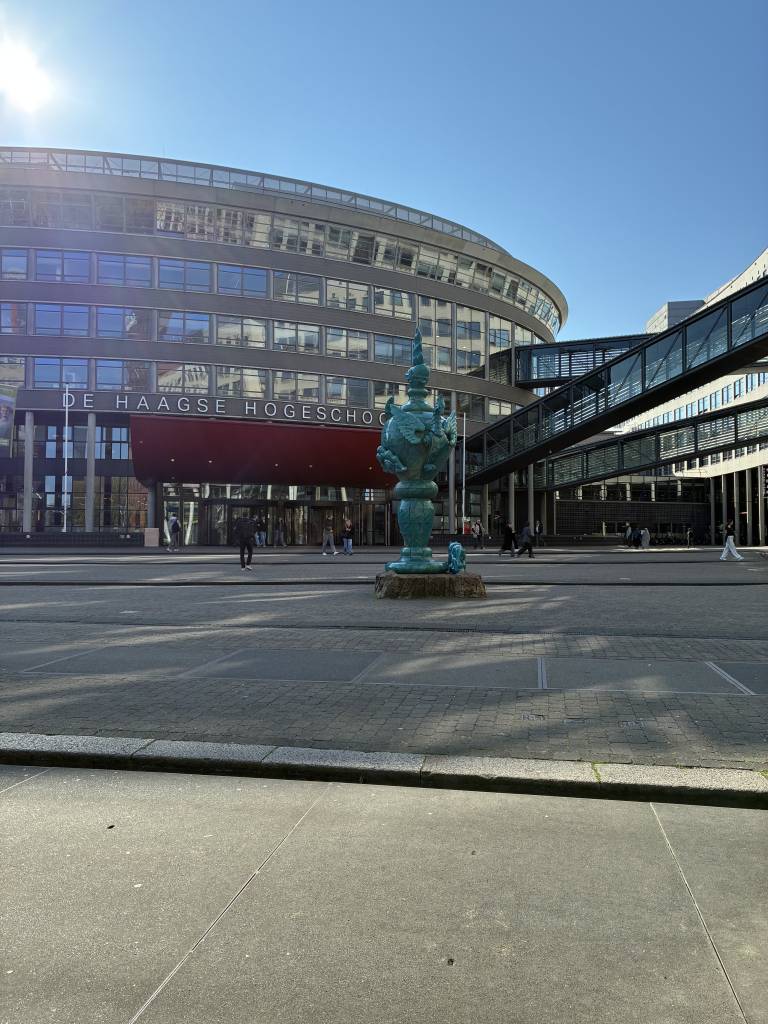
The Hague Network Strengthens Its Role as an Agile Collaborative Network

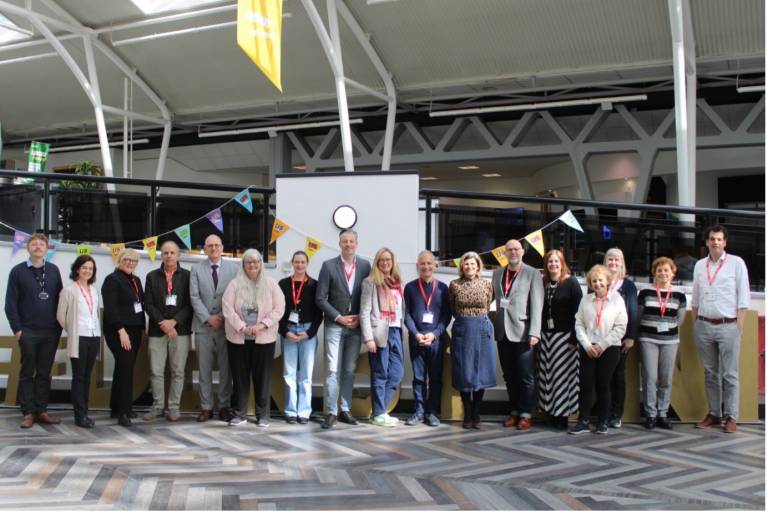
The Hague Network (THN) has once again demonstrated its strength as a flexible, trust-based higher education network. In April 2026, the coordinators’ meeting and the Board meeting held at the same time both highlighted concrete results of collaboration and clarified the network’s strategic direction for the coming years. At the core are the development of education, experimental collaboration, and visible, low-threshold pilots.

Turning Ideas into Action: Prototyping, Production and Financial Thinking

Every great business starts as a spark — an idea born from curiosity, frustration, or a bold dream of doing things differently. But what happens next is what truly separates dreamers from doers. Turning Ideas into Action is about taking that first rough idea and shaping it into something real through prototyping, smart production choices, and clear financial thinking. For young aspiring entrepreneurs, this journey is not reserved for “someday” or “when you’re ready” — it starts now.

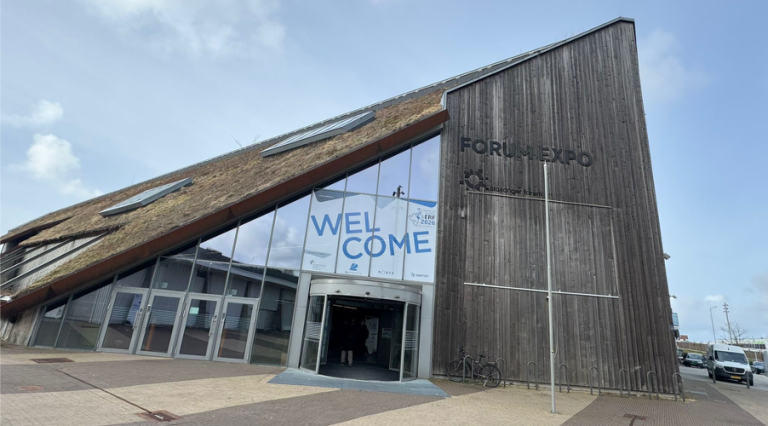
EU Robotics Forum 2026, Stavanger, Norway

From 23 to 25 March 2026, I attended the European Robotics Forum (ERF) in Stavanger, Norway, together with colleagues from Tampere University of Applied Sciences / FieldLab. The event offered a valuable opportunity to explore current developments in robotics, meet industry representatives, and reflect on what kinds of ideas could be useful for our own work.

Towards Responsible Packaging through Skills and Competence Development

The transformation towards responsible packaging systems requires more than technological upgrades—it requires new skills, shared understanding, and the ability to collaborate across sectors and cultural contexts. As Lah (2025), highlights systemic disconnects between sectors and actors can undermine even the most promising sustainability initiatives. Because of this, the ResPa project embraces responsible packaging as a collective societal task that demands insights and cooperation across multiple communities.

Codeveloping learner-centered technical teacher education in Rwanda

In March 2026, experts from Tampere University of Applied Sciences (TAMK) facilitated a pedagogical workshop for administrative, quality assurance and teaching staff of Rwanda Polytechnic’s Rwanda TVET Teacher Training Institute (RTTI) in Kigali. The workshop was organised as part of the HEP-TED project (Higher Education Pedagogies for Teacher Education), a collaboration between Finnish and Rwandan higher education institutions that aims to strengthen teacher education and pedagogical capacity in Rwanda.